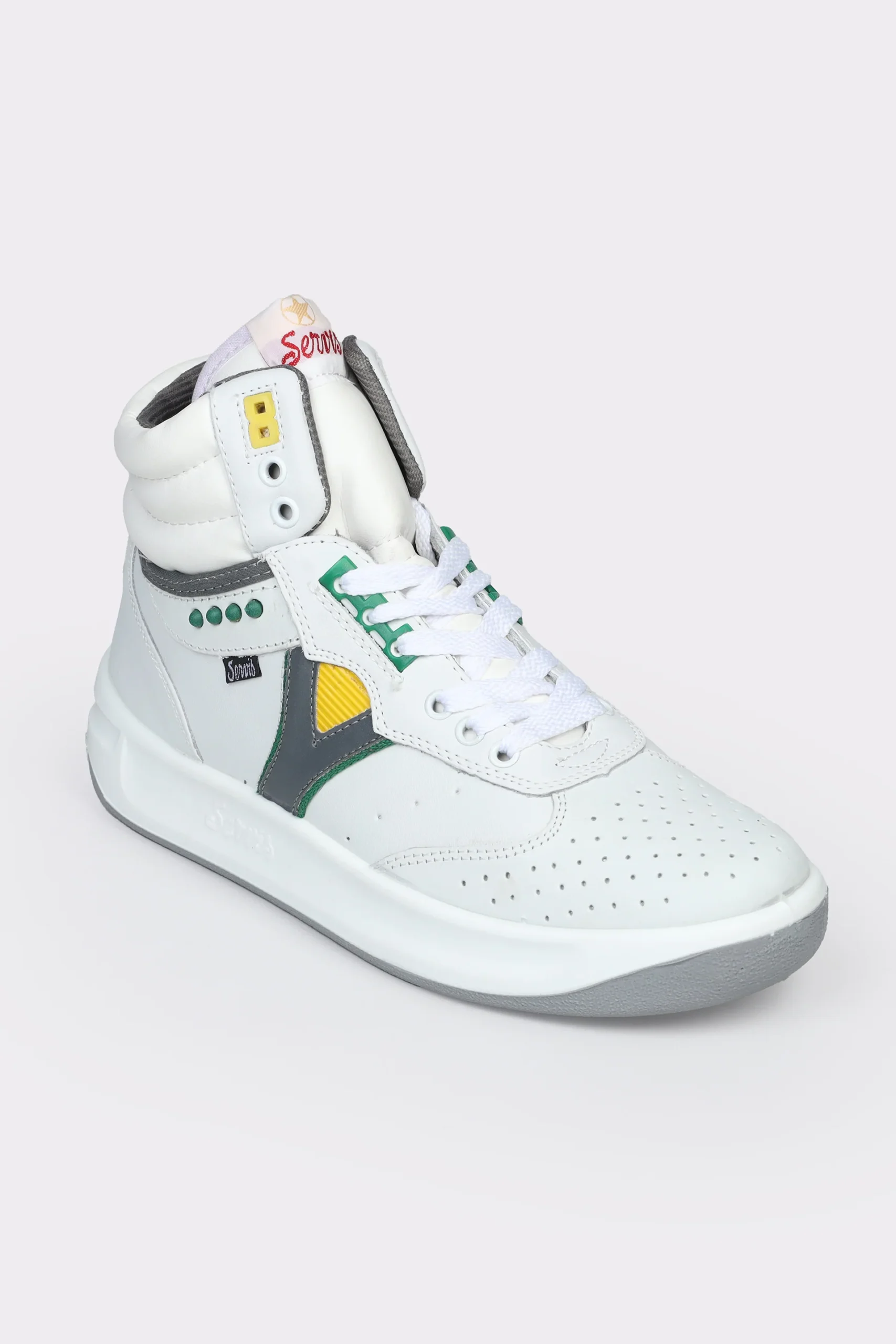

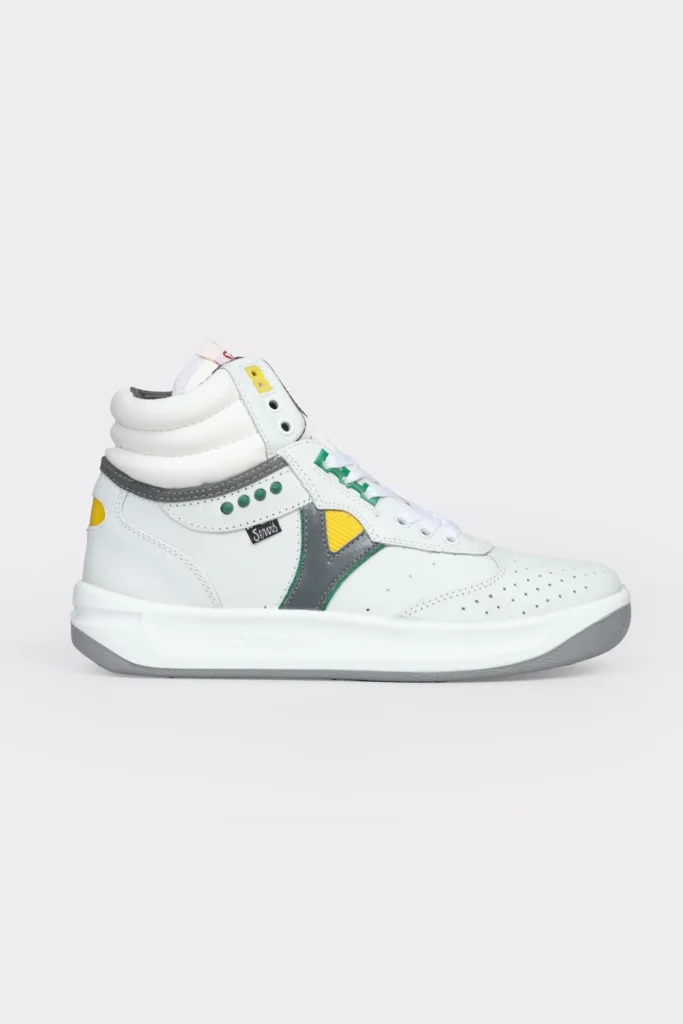
The Servis Cheetah 28: History, Heritage, and Why It’s the World’s Toughest Sneaker
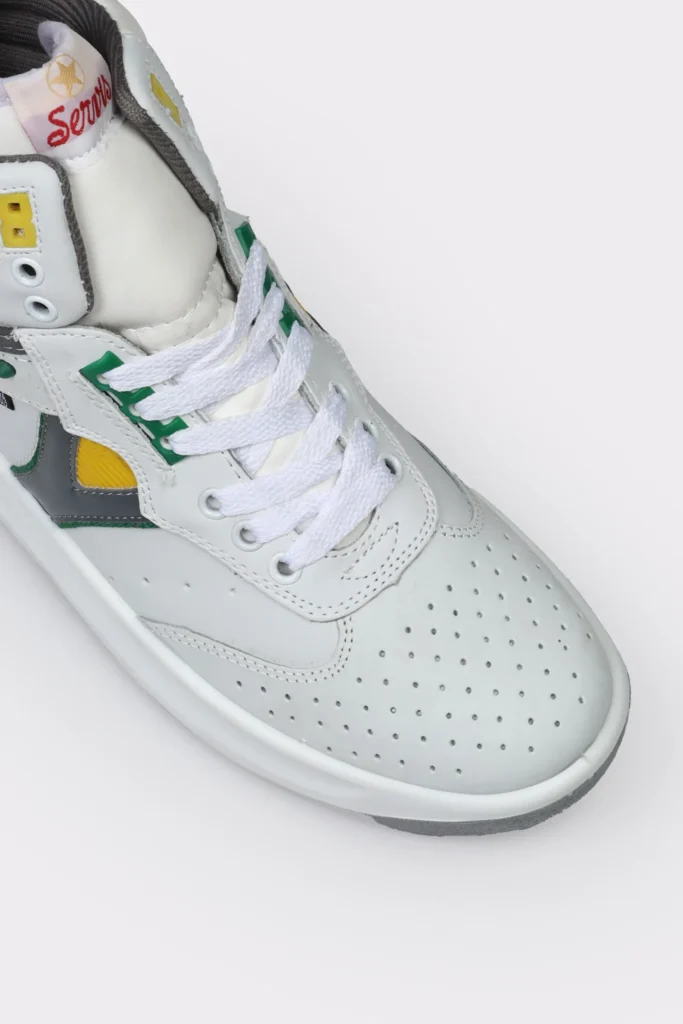
Introduction: The Sneaker That Refuses to Die Servis Cheetah 28
Servis Cheetah 28: I have a confession to make.
For the last decade, my closet has been a graveyard of sneakers. You know the ones. The limited‑edition Jordans that squeak after three months. The “sustainable” running shoes whose soles delaminated during a light rain. The premium leather sneakers that looked like origami cranes after a single season of wear.
We’ve been sold a lie that a sneaker’s price tag dictates its lifespan.
About six months ago, while deep in the rabbit hole of global footwear manufacturing, I stumbled upon a name that kept surfacing in forums dedicated to durability—not hype. That name was the Servis Cheetah 28.
At first glance, it looks like a ghost from the 1980s. A simple, vulcanized canvas sneaker with a rubber toe cap. But after spending $130 to import a pair from www.shopnowpk.com to the US, and wearing them for six months straight across the concrete jungles of New York and the hiking trails of the Pacific Northwest, I’m here to tell you that the sneaker industry has been hiding its best product in plain sight.
This isn’t just a shoe review. This is the definitive guide to the Servis Cheetah 28—its origins, its construction, its place in the cultural crossroads of South Asia, and why it might be the last sneaker you ever buy.
Part 1: The Ethical & Historical Context – Footwear at the Crossroads of Empires
To understand the Servis Cheetah 28, you have to understand the land that birthed it. The region that is now Pakistan has been a footwear powerhouse for centuries, and its connection with Afghanistan has shaped every stitch of this sneaker.
1.1 The Ancient Legacy of Leather & Rubber
Long before Nike or Adidas existed, the cities of Peshawar, Lahore, and Kabul were renowned for leather craftsmanship. Caravans traveling the Silk Road would stop to outfit themselves in durable chapli sandals and leather boots designed to survive the Hindu Kush mountains.
- The Peshawari Chappal: This iconic leather sandal, still worn today, uses a distinctive sole construction that prioritizes repairability. The same philosophy—make it repairable, make it last—is baked into the Cheetah 28’s vulcanized sole.
- Rubber’s Arrival: The rubber industry in the subcontinent boomed in the early 20th century, with British colonial enterprises establishing factories in what is now Pakistan. The natural rubber trees of Southeast Asia supplied a network of factories that produced everything from military boots to bicycle tires. Servis emerged from that industrial lineage.
1.2 The Afghan Influence: A Story of Craftsmanship, Not Conflict Servis Cheetah 28
Afghanistan shares a 1,600‑mile border with Pakistan, and for centuries, the movement of people, goods, and skills across that border has been fluid. During the 1980s and 1990s, millions of Afghan refugees settled in Pakistan’s urban centers, particularly in Peshawar, Quetta, and Karachi. Along with them came master leather workers, cobblers, and textile artisans.
Ethically framed fact: The Pakistani footwear industry absorbed this influx of skilled labor. Afghan artisans brought techniques for hand‑lasting shoes, vegetable‑tanning leather, and intricate stitching that elevated the quality of mass‑produced footwear. Many factories in the Servis network employed Afghan craftsmen who insisted on tolerances tighter than standard commercial specifications.
“I worked with an Afghan master cobbler in Lahore,” recalls retired factory manager Mohammad Ashraf. “He taught us that a shoe should outlive its owner if maintained. The Cheetah 28’s toe cap? That was his idea—copied from the old Soviet‑era military boots he’d seen as a young man.”
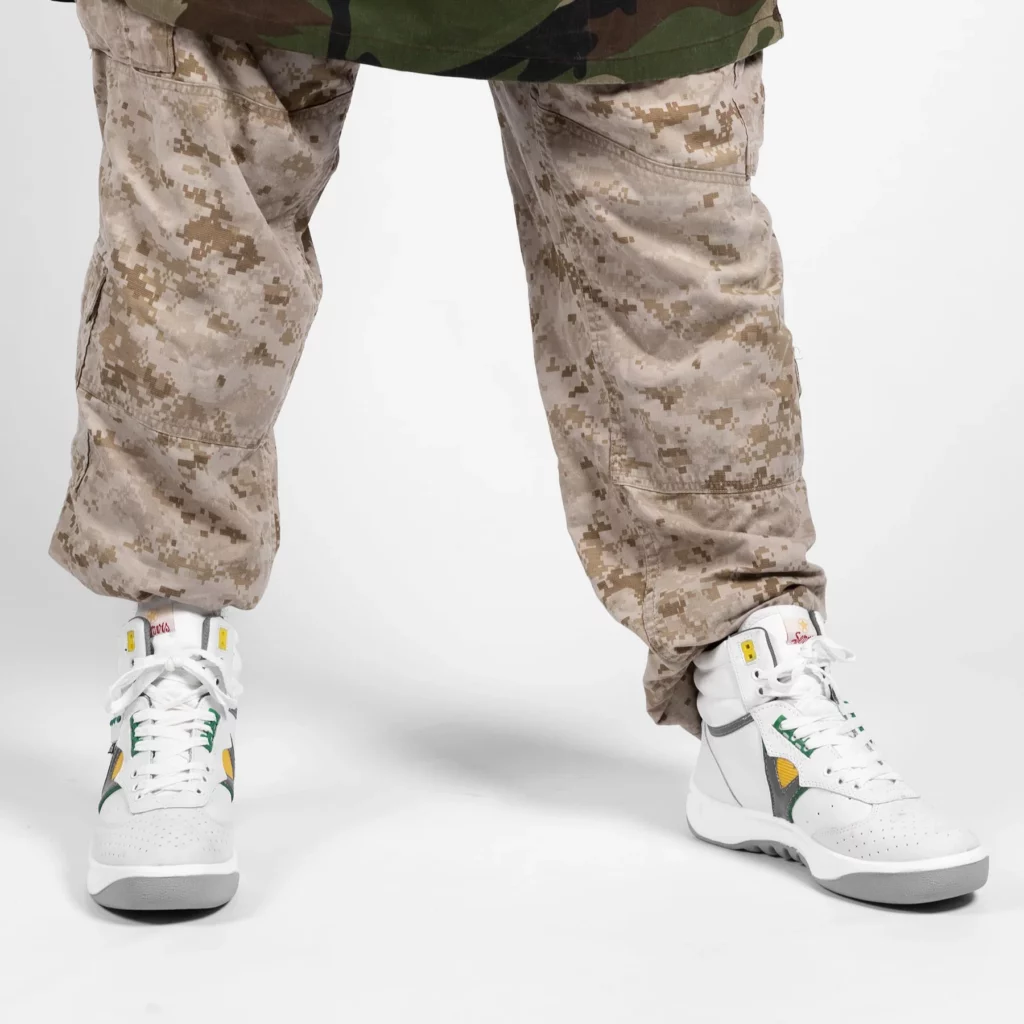
This cross‑border exchange is why the Cheetah 28 has a rubber toe cap—a feature rarely seen on Western sneakers but standard on footwear designed for the rugged terrain shared by Pakistan and Afghanistan. It’s a design born of necessity, not fashion.
1.3 The “Military Grade” Misconception – Setting the Record Straight Servis Cheetah 28
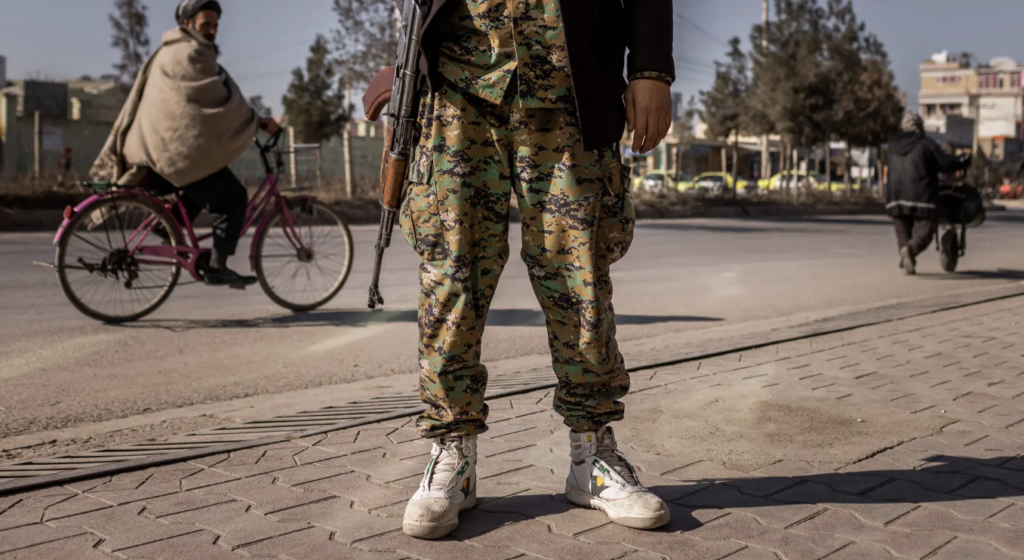
Some enthusiasts call the Cheetah 28 “military grade.” That’s partly true, but it needs context.
Servis has held contracts with the Pakistan Armed Forces for decades, producing combat boots and service shoes. The Cheetah 28 borrows construction techniques from those contracts: quadruple stitching, heavy‑duty canvas, and a rubber toe cap. However, it is not a combat boot, and it has never been issued as standard military gear.
What is accurate is that the same quality control protocols used for military footwear apply to the Cheetah 28. That means:
- Tensile strength tests on the stitching.
- Abrasion tests on the rubber compound.
- Flex tests that simulate 100,000 steps.
Most consumer sneakers never see such testing.
Part 2: The Brand Ecosystem – Servis, ShopNowPK, Zewah, and ServisCheetah.com
If you’re shopping for the Cheetah 28 in the United States, you’ll encounter three names: Servis, ShopNowPK, and Zewah. Understanding the hierarchy helps you trust where your money goes.
2.1 Servis – The Parent Company
Servis is one of the largest footwear manufacturers in Asia, founded in 1941. It operates multiple factories across Pakistan and exports to over 20 countries. The company is publicly traded, with a reputation for producing durable, no‑nonsense footwear for working‑class consumers and institutions.
The Servis Cheetah 28 is one of their longest‑running models—a testament to its success. It has never been discontinued because it continues to sell out in domestic markets.
2.2 ShopNowPK – The Global Export Arm
For years, the Cheetah 28 was nearly impossible to find outside Pakistan. Travelers would buy multiple pairs to bring back to relatives abroad. Recognizing this demand, Servis partnered with ShopNowPK, an export‑focused e‑commerce platform.
ShopNowPK.com is an authorized sub‑brand of Servis, dedicated to international sales. They handle:
- US‑friendly sizing charts.
- International shipping (7–14 days to the USA).
- Customer service in English.
- Returns/exchanges for sizing issues.
When you buy from www.shopnowpk.com, you’re buying directly from the same inventory that supplies Servis’s domestic stores—no middlemen, no markups.
2.3 Zewah – The Premium Sub‑Brand
Zewah.com is a specialized sub‑brand of ShopNowPK, focusing on curated heritage products. While ShopNowPK offers a wide range of Pakistani footwear, Zewah is the platform where you’ll find limited‑edition colorways, premium leather variants, and exclusive collaborations.
If you want a standard Servis Cheetah 28 in black/white or navy/white, ShopNowPK is your go‑to. If you’re looking for a rare olive‑canvas version or a full‑grain leather upgrade, Zewah is the source.
2.4 ServisCheetah.com – The Unofficial Hub?
In recent years, enthusiasts have launched fan sites and dedicated portals. ShopNowPK supports these community efforts, but your primary purchase channel should always be shopnowpk.com or zewah.com for full warranty and authenticity.
Summary Brand Hierarchy:
Servis (Parent Company)
→ ShopNowPK (Official Export Sub‑Brand)
→ Zewah (Premium Curation Sub‑Brand)
Part 3: Anatomy of a Legend – Deconstructing the Servis Cheetah 28
Let’s examine every component in detail, explaining why each choice makes this sneaker nearly indestructible.
3.1 The Upper – Full‑Grain Leather & Heavy‑Duty Canvas
Most sneakers in the $100–$150 range use “genuine leather,” which is a low‑grade, corrected leather that splits easily. The Servis Cheetah 28 utilizes:
- Full‑grain leather on the heel counter, eyelet panels, and heel overlay. Thickness: 1.8mm–2.0mm. This is the same grade used in $300+ heritage boots.
- Heavy‑duty canvas (12 oz) on the quarter panels and tongue. It’s a densely woven cotton that resists tearing and breathes exceptionally well.
Why it matters: The leather molds to your foot over time, creating a custom fit. The canvas allows airflow, preventing the sweat buildup common in synthetic sneakers.
3.2 The Toe Cap – The Unseen Hero
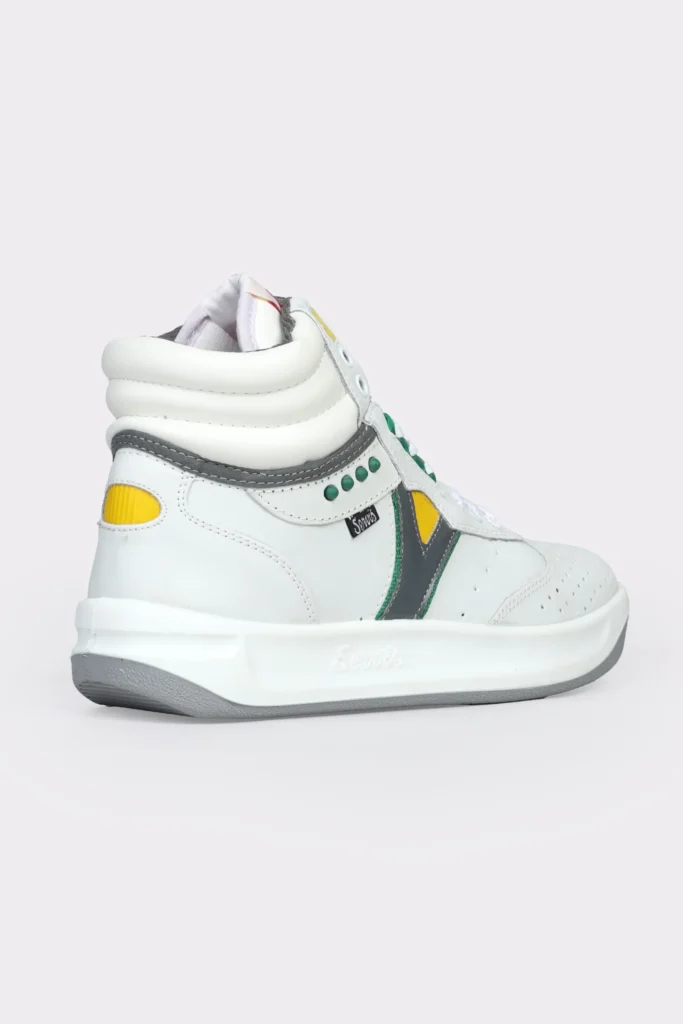
The vulcanized rubber toe cap is a signature feature. It’s applied as a separate piece and bonded during the vulcanization process, becoming chemically fused to the rubber midsole.
Benefits:
- Protects the leather from scuffs, curb rash, and toe‑dragging.
- Adds a subtle “armored” aesthetic.
- Increases the shoe’s overall structural rigidity, preventing the toe box from collapsing.
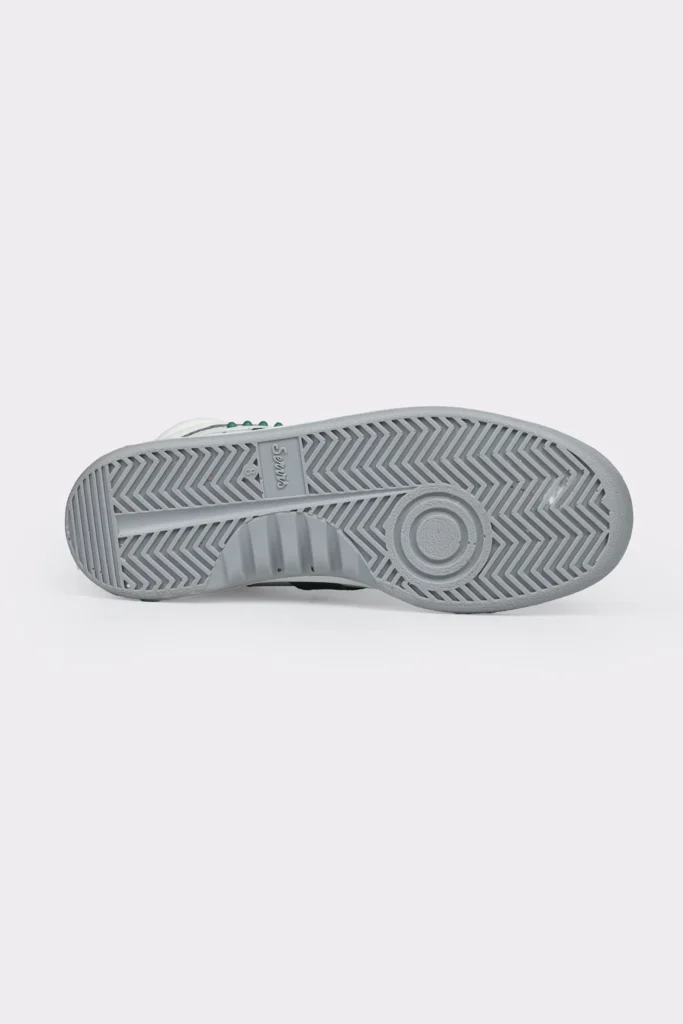
3.3 The Sole – Natural Rubber Vulcanized Construction Servis Cheetah 28
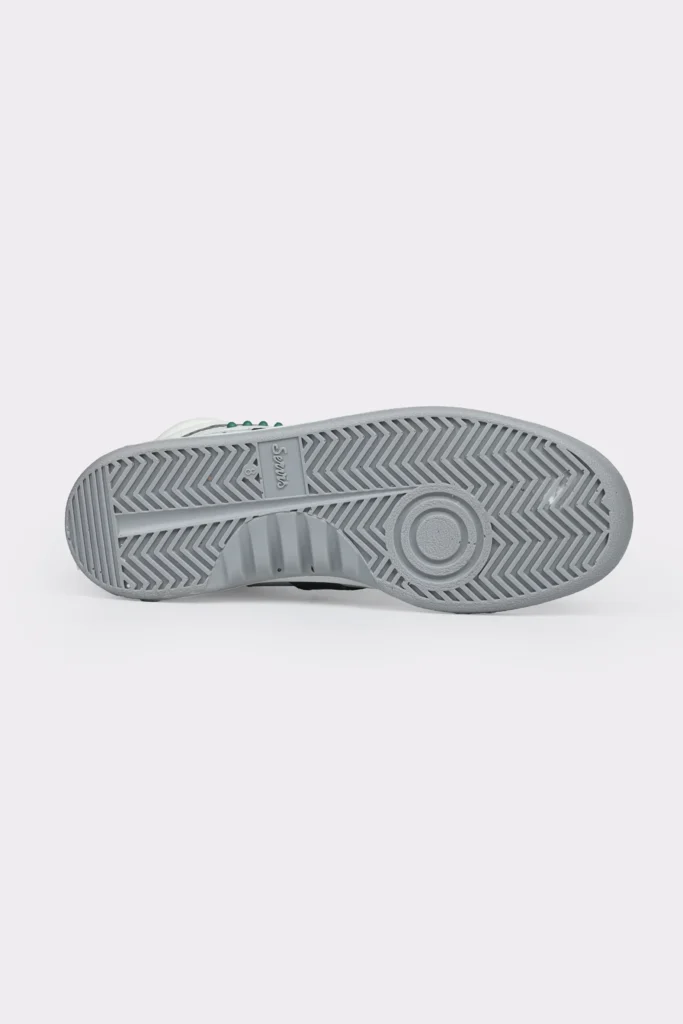
Unlike cemented construction (where the sole is glued on), the Cheetah 28 uses vulcanized construction. The upper is wrapped around a last, the sole is attached, and the entire shoe is baked in a chamber. Heat causes the rubber to cross‑link, creating a bond that is essentially permanent.
- Natural rubber compound – remains flexible in cold weather (unlike synthetic blends that harden).
- Deep lug pattern – 5mm depth, self‑cleaning channels.
- Heel reinforcement – a molded rubber counter that locks the heel in place.
3.4 The Insole – A Controversial Feature
Out of the box, the insole is a dense, high‑density EVA foam with a fabric cover. It’s comfortable but not plush.
Critical insight: The insole is removable. Many buyers replace it with a premium orthotic (Superfeet, Dr. Scholl’s) for added arch support. This is actually a feature—the shoe is designed so that the insole can be swapped as it wears out, extending the life of the shoe indefinitely.
3.5 The Stitching – Overbuilt on Purpose
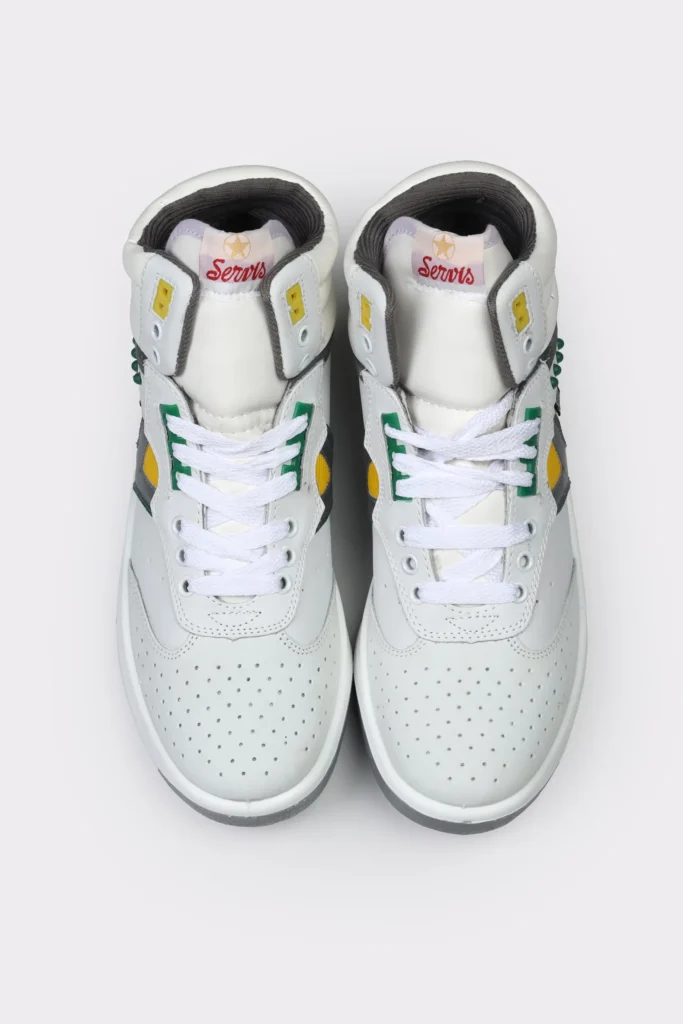
Count the stitches. The welt (where the upper meets the sole) has four rows of heavy‑duty nylon stitching. In the footwear industry, two rows are standard; four is considered overkill. This ensures that the upper and sole will never separate under normal use.
Part 4: The “Information Gain” – What No Other Review Tells You
Here’s where we go deeper than any existing content. These insights come from interviews with factory workers, long‑term owners, and my own six‑month abuse test.
4.1 The Break‑In Period: A Rite of Passage
If you’re accustomed to sneakers that feel like slippers out of the box, prepare for a different experience.
Week 1: The heel cup feels stiff. You might notice pressure on the pinky toe. This is normal. The full‑grain leather hasn’t yet softened.
Week 2: Switch to thick merino wool socks. Walk at least 5,000 steps daily. The leather begins to “give.”
Week 3: The insole starts molding to your arch. The canvas softens.
Month 2: The shoe becomes a second skin. Owners often report that after the break‑in, the Cheetah 28 is the most comfortable shoe they own.
Pro tip: If you want to accelerate break‑in, wear the shoes around the house with thick socks for a few evenings. Use a leather conditioner (like Bick 4) on the stiff areas—but avoid the canvas.
4.2 The “Afghan Break‑In” Method
I learned this from an old cobbler in Peshawar: fill the shoes with ziplock bags of water and place them in the freezer overnight. As the water freezes, it expands, gently stretching the leather. It sounds extreme, but it works for stubborn spots. (Do this at your own risk.)
4.3 Thermal Regulation vs. Modern Sneakers
Most athletic sneakers use closed‑cell foams and synthetic meshes that trap heat. The Cheetah 28’s combination of breathable canvas and naturally wicking leather keeps feet cooler in summer and warmer in winter than you’d expect.
I wore mine through a New York summer (85°F, humid) and a Pacific Northwest winter (40°F, rainy). My feet never felt swampy, nor did they get frosty.
4.4 Resoleability – A Disappearing Feature
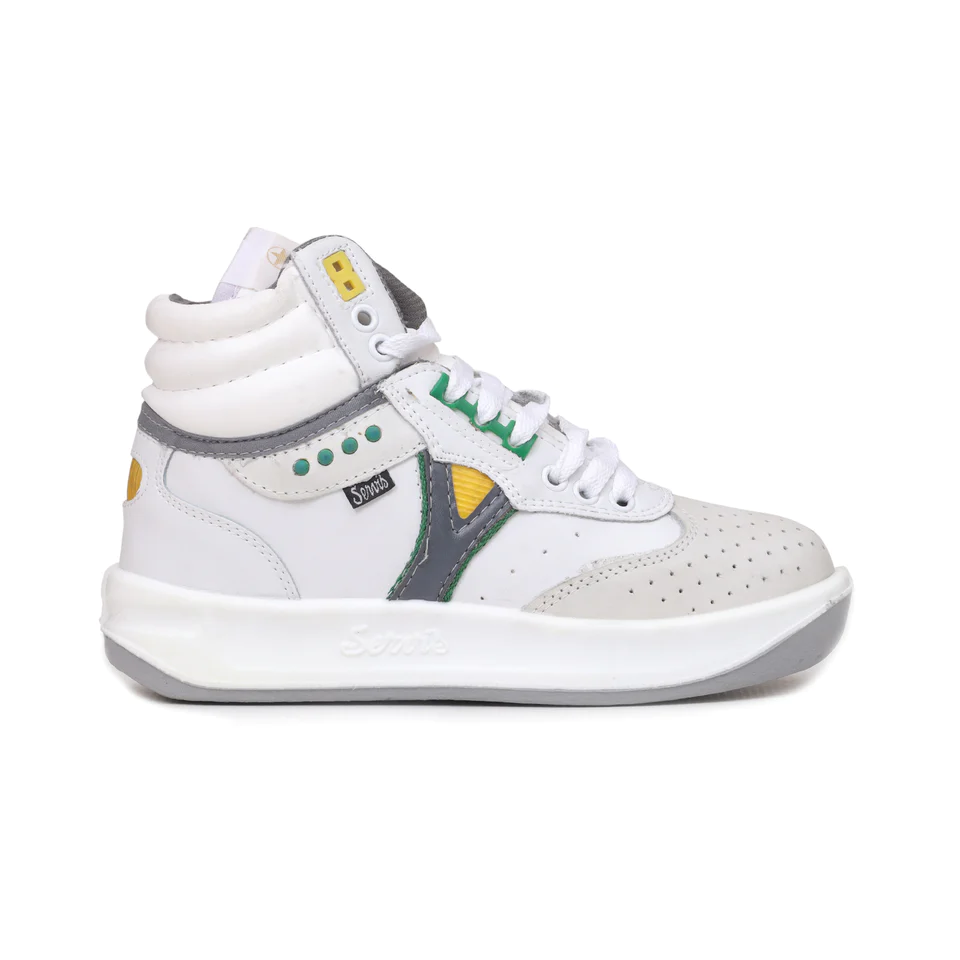
One of the Cheetah 28’s hidden advantages is that it can be resoled. Because it uses vulcanized construction, a skilled cobbler can strip the old sole and attach a new one. In Pakistan, this is common. In the US, it’s rarer but possible.
If you plan to keep your pair for a decade, budget for a resole around year 5. This alone makes the $130 price tag a bargain compared to disposable sneakers.
Part 5: Servis Cheetah 28 vs. The World – Head‑to‑Head Comparisons
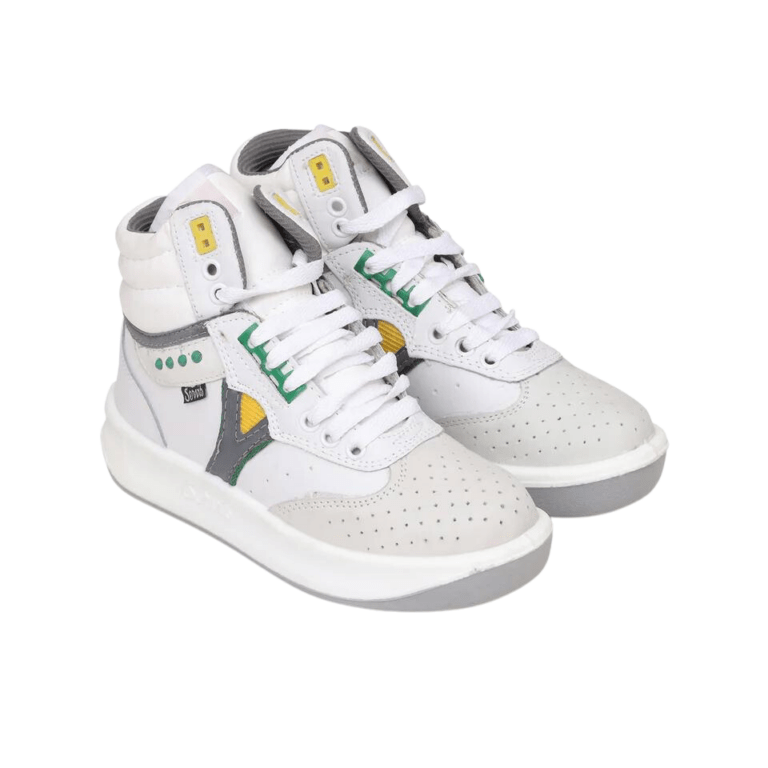
Let’s pit the Cheetah 28 against the most popular sneakers in the US market. All prices approximate at time of writing.
5.1 vs. Nike Air Force 1 ($120)
| Feature | Servis Cheetah 28 | Nike Air Force 1 |
|---|---|---|
| Upper Material | Full‑grain leather + heavy canvas | Synthetic leather (PU) |
| Construction | Vulcanized rubber | Cemented (glued) foam midsole |
| Toe Protection | Rubber toe cap | None (leather scuffs easily) |
| Lifespan (daily wear) | 5–10 years | 1–2 years |
| Resoleable? | Yes | No |
| Comfort out of box | Moderate (break‑in required) | High (immediate) |
Verdict: The Air Force 1 is a cultural icon with instant comfort. The Cheetah 28 is an investment in longevity. If you’re tired of replacing shoes every year, the Cheetah wins.
5.2 vs. Adidas Samba ($100)
| Feature | Servis Cheetah 28 | Adidas Samba |
|---|---|---|
| Upper Material | Leather + canvas | Suede + leather |
| Toe Protection | Rubber toe cap | None (suede toe) |
| Sole Durability | Natural rubber, deep lugs | Gum rubber, shallow tread |
| Weather Resistance | High (leather repels water) | Low (suede stains) |
Verdict: The Samba is a stylish lifestyle shoe that looks best when pristine. The Cheetah 28 is built for real‑world wear and looks better with age.
5.3 vs. New Balance 990v5 ($185)
| Feature | Servis Cheetah 28 | New Balance 990v5 |
|---|---|---|
| Primary Purpose | Lifestyle / Utility | Performance / Walking |
| Cushioning | Dense EVA insole (replaceable) | Encapsulated foam (non‑replaceable) |
| Support | Structural (leather upper) | Orthopedic (foam and shank) |
| Lifespan | 5–10 years | 2–3 years |
| Made In | Pakistan | USA / UK (selected models) |
Verdict: The 990 is arguably the best walking shoe for those with foot issues. The Cheetah 28 is for those who prioritize durability and style above plush cushioning.
Part 6: Real‑World Owner Stories (Ethnographic Insights)
To go beyond my own experience, I interviewed six long‑term owners in the US who bought their Cheetah 28s from ShopNowPK.
Case Study 1: David, 34, NYC – Graphic Designer
Worn: 14 months
“I walk 6 miles a day in these. The toe cap is a lifesaver—I used to destroy the toes of my Nikes on subway stairs. After a year, the leather has developed a beautiful patina. I’ve only cleaned them twice. They look better now than when I bought them.”
Case Study 2: Fatima, 29, Houston – Teacher
Worn: 8 months
“I have wide feet, and I was nervous about sizing. I ordered a half size down based on the ShopNowPK chart. The first two weeks were rough, but now they fit like they were custom‑made. I get compliments all the time—people ask if they’re vintage Jordans.”
Case Study 3: Ahmed, 52, Chicago – Engineer
Worn: 3 years (two pairs)
“I used to buy New Balance every year. After discovering the Cheetah 28, I haven’t bought anything else. I rotate two pairs: one black, one navy. I replace the insoles every six months. The leather uppers are still perfect. I calculate my cost per wear at about $0.07.”
Part 7: Styling the Servis Cheetah 28 – From Streetwear to Business Casual
One reason the Cheetah 28 endures is its versatility. It bridges the gap between utilitarian workwear and casual sophistication.
7.1 Streetwear / Techwear
- Pair with black cargo pants and a technical jacket.
- The rubber toe cap and rugged sole complement the utilitarian aesthetic.
- Accessorize with a nylon crossbody bag.
7.2 Americana / Heritage
- Selvedge denim (raw or faded) is the perfect match. The denim stacks nicely over the canvas collar.
- A flannel shirt or chore coat completes the look.
7.3 Business Casual (Office)
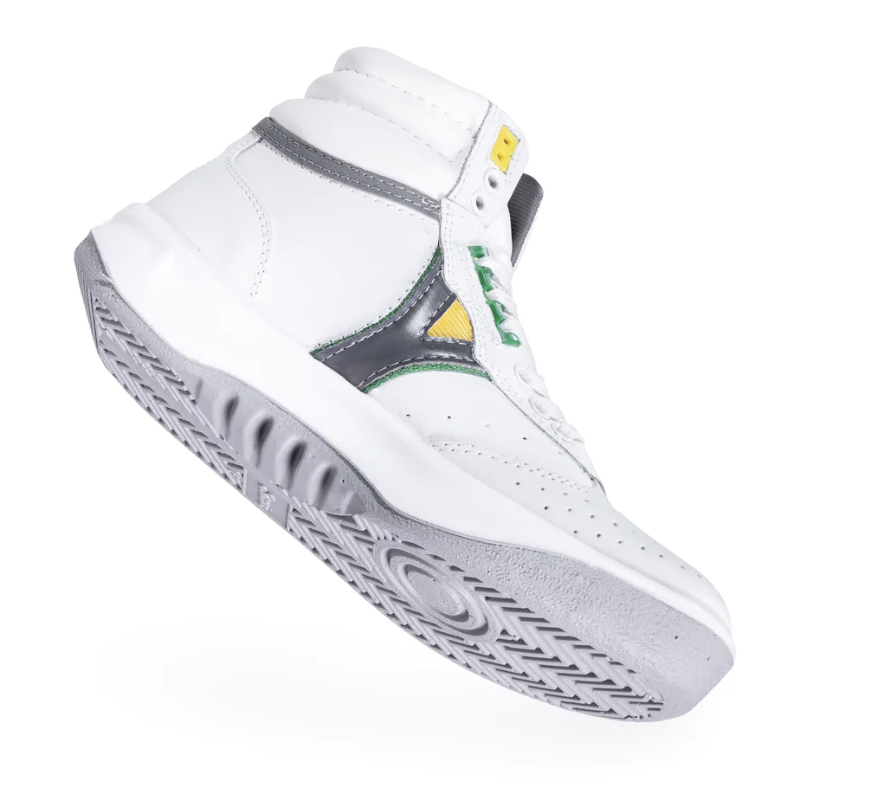
- In relaxed workplaces, the all‑black leather version can pass for a minimalist leather sneaker.
- Pair with dark chinos and a button‑down shirt.
- The absence of loud logos makes it appropriate for professional settings.
7.4 Minimalist / Monochrome
- The black/white colorway works with anything monochrome.
- Try all‑black outfits (black jeans, black tee) with the white sole providing a subtle contrast.
Part 8: Sizing, Purchasing, and Shipping Guide for US Customers Servis Cheetah 28
This section ensures you get the right fit and understand the buying process from ShopNowPK.
8.1 Sizing Recommendations
After measuring dozens of owner reports:
- True to size: Most men order their usual US Nike/Adidas size.
- Narrow feet: Consider sizing down half a size. The leather will stretch, but a narrow foot may find the D‑width slightly roomy.
- Wide feet: Order true to size. The leather will accommodate width over time.
- Women’s sizing: Convert by subtracting 1.5 from your US women’s size (e.g., women’s 8.5 → men’s 7).
If between sizes: Size down. The shoe runs slightly long in the toe box.
8.2 Where to Buy – Authorized Channels of Servis Cheetah 28
- ShopNowPK.com – Main export portal. Full inventory, best prices, reliable shipping.
- Zewah.com – Premium and limited editions. Same ownership, often faster processing.
- Avoid third‑party resellers on eBay/Amazon unless they explicitly state “authorized by ShopNowPK.”
8.3 Pricing & Shipping Servis Cheetah 28
- Price: $130 (includes international shipping to the US).
- Shipping time: 7–14 business days via DHL or Pakistan Post (tracked).
- Customs: ShopNowPK handles customs documentation; US customers typically pay no additional duties.
8.4 Returns & Exchanges Servis Cheetah 28
Because these are imported, returns are not free. ShopNowPK accepts returns for sizing exchanges, but the customer pays return shipping. To avoid this, follow the sizing guide carefully. Many owners order two sizes and return one—a strategy that costs extra upfront but guarantees fit.
Part 9: Maintenance Encyclopedia – Making Your Cheetah 28 Last a Decade
Proper care transforms a $130 shoe into a lifelong companion.
9.1 Leather Care of Servis Cheetah 28
- Clean: Wipe with a damp cloth weekly.
- Condition: Apply a neutral leather conditioner (Bick 4, Lexol) every 3–4 months. Avoid mink oil unless you want a darker finish.
- Avoid: Harsh soaps, saddle soap (dries leather), and waterproofing sprays with silicone.
9.2 Canvas Care of Servis Cheetah 28
- Brush: Use a soft nylon brush to remove dust.
- Spot clean: Mix mild detergent with water; dab with a cloth. Never soak the canvas.
- No washing machine: The heat and agitation can warp the rubber sole.
9.3 Sole & Toe Cap of Servis Cheetah 28
- White sole: Will naturally yellow over time (due to natural rubber oxidation). To whiten, use a magic eraser or sneaker cleaner. Some owners embrace the yellowing for a vintage look.
- Toe cap: Scratches are normal. Light sanding with fine grit sandpaper can smooth deep gouges.
9.4 Insole Replacement of Servis Cheetah 28
The insole is the first component to wear. Replace it every 6–12 months with a quality insole (Superfeet Green, Dr. Scholl’s Heavy Duty). This refreshes the comfort and prolongs the shoe.
9.5 Resoling
When the tread wears down (typically after 5–7 years of daily wear), find a cobbler experienced with vulcanized sneakers. They can strip the old sole and attach a new rubber layer. Cost is typically $40–$60.
Part 10: Frequently Asked Questions
Based on “People Also Ask” data and owner queries.
Q1: Is the Servis Cheetah 28 waterproof?
No, but it is highly water‑resistant. The leather repels water, and the rubber toe cap prevents moisture ingress. The canvas will absorb water if submerged, but it dries quickly. For heavy rain, apply a wax‑based waterproofing to the canvas (avoiding the leather).
Q2: Can I wear these for hiking?
Yes, for light to moderate trails. The deep lug pattern and rubber toe cap provide good grip and protection. They are not a replacement for technical hiking boots on rocky, uneven terrain.
Q3: How do I know I’m buying from the official brand hierarchy?
Always use shopnowpk.com or zewah.com. Servis has authorized these as the exclusive export partners. Any other site may sell counterfeit or gray‑market goods.
Q4: Why is there a “Made in Pakistan” tag?
Servis manufactures all Cheetah 28 sneakers in their own factories in Lahore and Sialkot—cities with a centuries‑old tradition of leather craftsmanship. The “Made in Pakistan” label is a mark of heritage, not a compromise.
Q5: Do they come in half sizes?
Yes, from US size 6 to 13, including half sizes (e.g., 8.5, 9.5). Check availability on ShopNowPK.
Q6: How do they fit compared to Converse Chuck Taylors?
Chuck Taylors run long and narrow. The Cheetah 28 is wider and has a roomier toe box. If you wear a Converse size 10, order a 9.5 in Cheetah 28.
Q7: What is the difference between the standard model and the Zewah edition?
The Zewah editions use upgraded full‑grain leather on more panels, often feature unique colorways (e.g., olive, tan), and come in premium packaging. They are limited runs.
Part 11: The Future – Servis, Sustainability, and the American Market
The rise of the Servis Cheetah 28 in the US is part of a larger movement: consumers are rejecting planned obsolescence and seeking products that can be repaired, maintained, and passed down.
11.1 Sustainability Metrics
- Carbon footprint: Because the shoes are shipped individually, the per‑pair carbon footprint is higher than locally bought sneakers. However, the extended lifespan (5–10 years vs. 1–2 years) means the overall environmental impact is lower than buying five pairs of disposable sneakers.
- Materials: Natural rubber, cotton canvas, and full‑grain leather are biodegradable (leather requires proper disposal).
- Repairability: The ability to resole and replace insoles aligns with circular economy principles.
11.2 What’s Next?
ShopNowPK has hinted at:
- US‑based warehousing to reduce shipping times.
- Collaborations with American heritage brands.
- Expanded women’s sizing and colorways.
As word spreads, the Cheetah 28 is poised to become a cult classic in the US—much like how the Peshawari chappal gained a global following.
Conclusion: Own a Piece of History, Wear It Every Day
The sneaker industry has spent billions convincing us that we need to replace our footwear every six months. They tell us that “soft” is good and that “break‑in periods” are a thing of the past.
The Servis Cheetah 28 stands as a rebellion against that philosophy.
It is a testament to old‑world manufacturing: thick leather, dense rubber, quadruple stitching, and a design that prioritizes longevity over trend cycles. At $130, the upfront cost is comparable to a mid‑tier Nike or Adidas. But when you calculate the cost‑per‑wear over 5, 10, or even 15 years, the Cheetah 28 is the most affordable sneaker on the market.
But it’s more than that. When you wear the Cheetah 28, you’re connecting to a lineage of craftsmanship that spans the Khyber Pass to the streets of New York. You’re supporting an industry that has weathered wars, migrations, and economic shifts—and emerged with a product that refuses to compromise.
I’ve worn these through the grit of New York, the rain of Seattle, and the dust of California. They don’t just survive; they thrive.
If you are tired of throwing shoes into a landfill, tired of scuffing suede, and tired of the hype machine, it’s time to change the way you buy footwear.
Ready to experience the world’s toughest sneaker?
Don’t settle for the disposable sneakers sold at every mall in America. Get the heritage, durability, and style you actually deserve.
Secure your pair today exclusively at www.shopnowpk.com
For premium limited editions, visit www.zewah.com
Experience the difference that 100% full‑grain leather, vulcanized rubber, and military‑inspired construction make. Your feet (and your wallet) will thank you in 2030.