
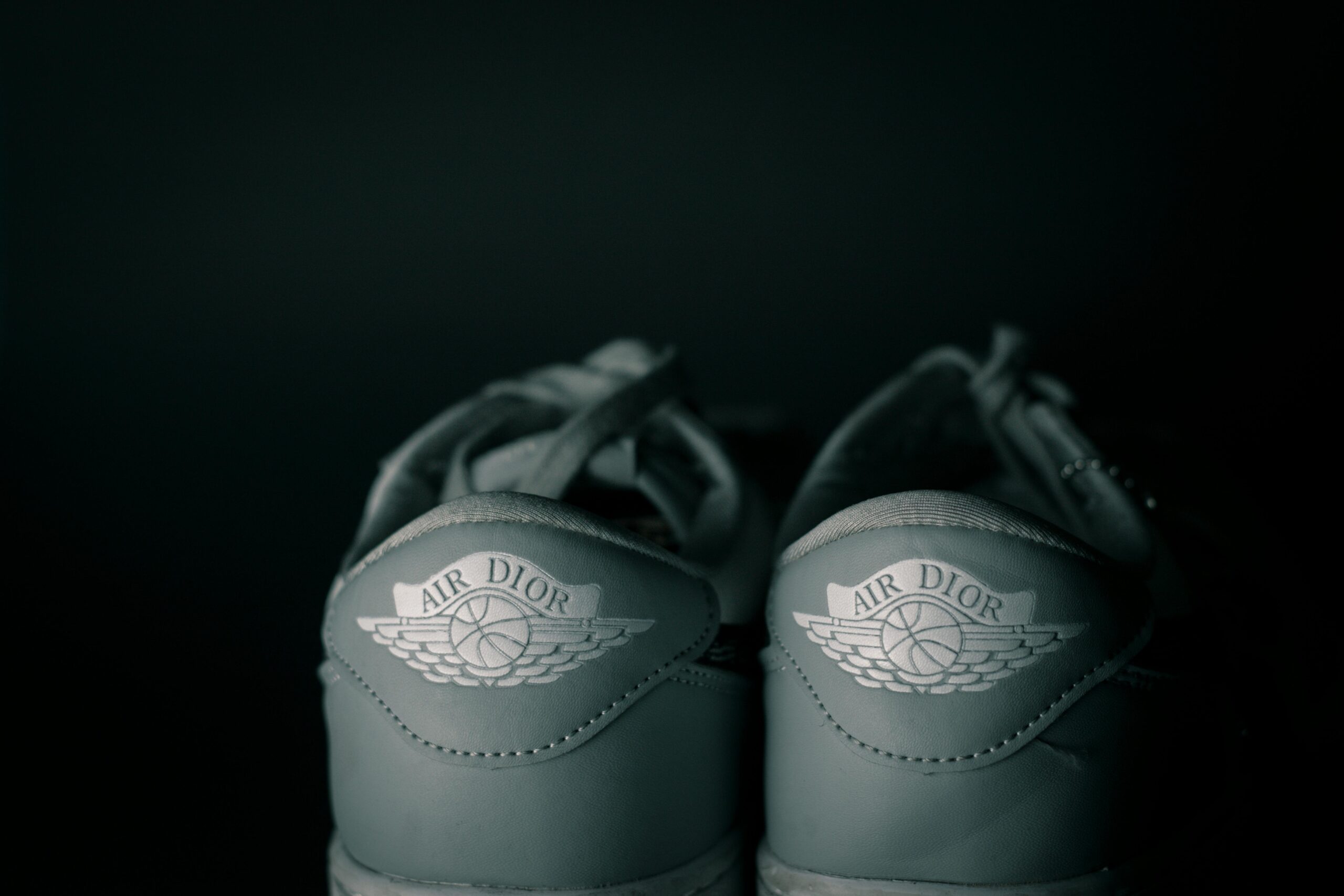

In 2014, a pair of designer sneakers costing $900 would have shocked most shoppers. In 2026, six-figure sneaker auctions are making headlines. Luxury sneakers are no longer just footwear. They’re cultural currency. They’re wearable investments. They’re status symbols that blur the line between streetwear and haute couture.
But here’s the problem.
Most “luxury sneaker guides” simply list brands. They don’t explain craftsmanship. They ignore resale economics. They skip material science. And they fail to help you decide which pairs are actually worth your money.
This guide changes that.
Welcome to the definitive 2026 breakdown of luxury sneaker — from heritage maisons to disruptive designer labels, from construction quality to resale ROI.
What Are Luxury Sneakers? (And Why They Cost So Much)
Luxury sneakers are premium designer footwear created by high-fashion houses or elite sneaker brands using superior materials, advanced construction techniques, and exclusive design philosophy.
But the price isn’t just about a logo.
It comes down to five core pillars:
- Material quality – Full-grain calfskin, Italian suede, exotic leathers.
- Craftsmanship – Hand-stitching, artisanal production in Italy/France.
- Brand heritage – Decades (sometimes centuries) of luxury positioning.
- Limited production – Scarcity increases desirability.
- Cultural relevance – Celebrity endorsement + fashion influence.
You’re not just buying sneakers.
You’re buying narrative, craftsmanship, and social capital.
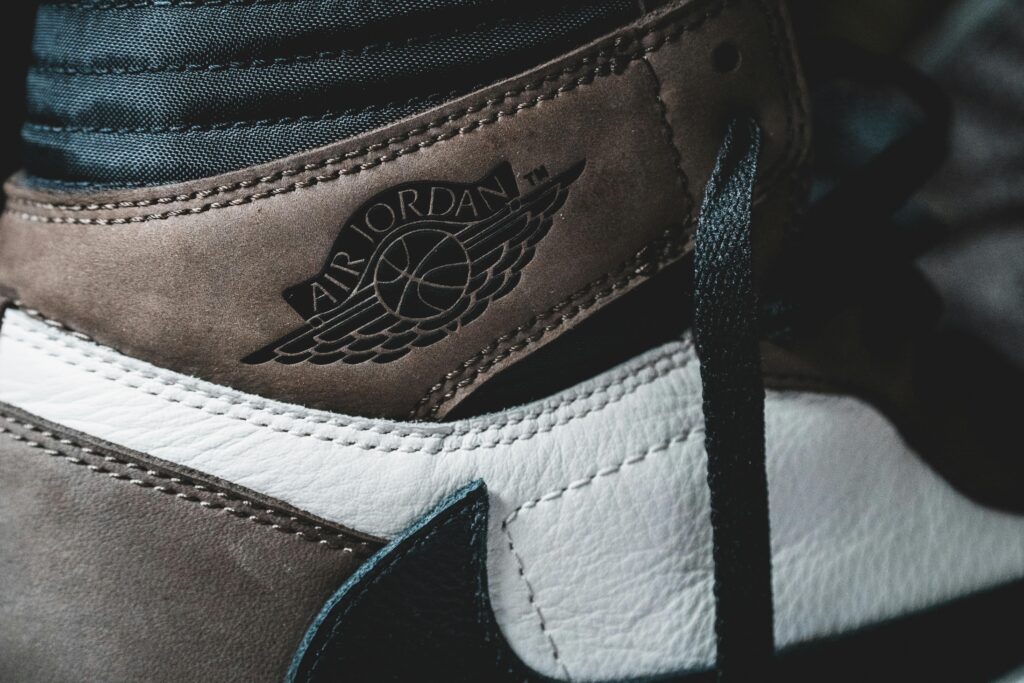
The Evolution of Luxury Sneakers: From Sportswear to Status Symbol
The transformation happened in phases.
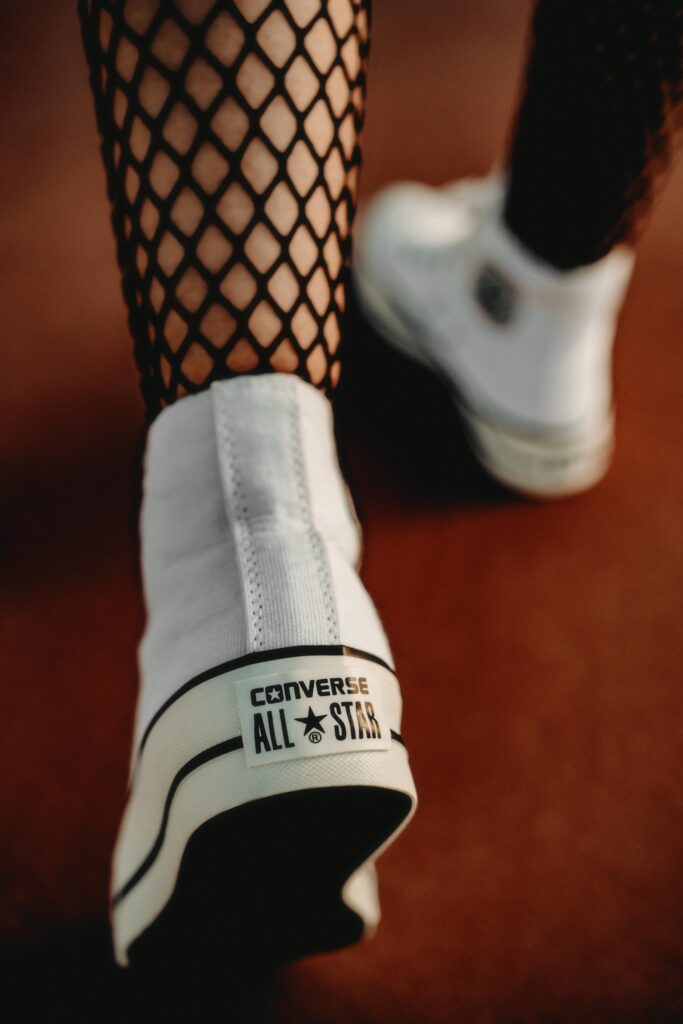
Phase 1: Athletic Utility (1980s–1990s)
Sneakers were performance tools. Basketball, running, tennis.
Brands like Nike and Adidas dominated through athlete endorsements.
Luxury fashion houses stayed away.
Phase 2: Streetwear Explosion (2000s)
Hip-hop culture changed everything.
Designer collaborations blurred categories. Streetwear entered luxury runways.
Suddenly sneakers weren’t “casual.” They were expressive.
Phase 3: The Luxury Takeover (2015–2026)
Fashion houses embraced sneaker culture fully.
Now:
- Runway collections feature sneakers.
- CEOs wear them with suits.
- Limited releases sell out in minutes.
Luxury sneakers became the new watch.
Why Luxury Sneakers Dominate 2026 Fashion
In 2026, formal dress codes are fading.
Boardrooms are modernizing. Weddings are semi-casual. Creative industries reward individuality.
Luxury sneakers sit at the intersection of:
- Comfort
- Prestige
- Versatility
- Street credibility
- High fashion aesthetics
They’re the only footwear category that works with:
- Tailored trousers
- Relaxed denim
- Smart casual fits
- Designer athleisure
That versatility fuels their dominance.
Top Luxury Sneaker Brands Defining 2026
Below are the most influential designer brands in the luxury sneaker space.
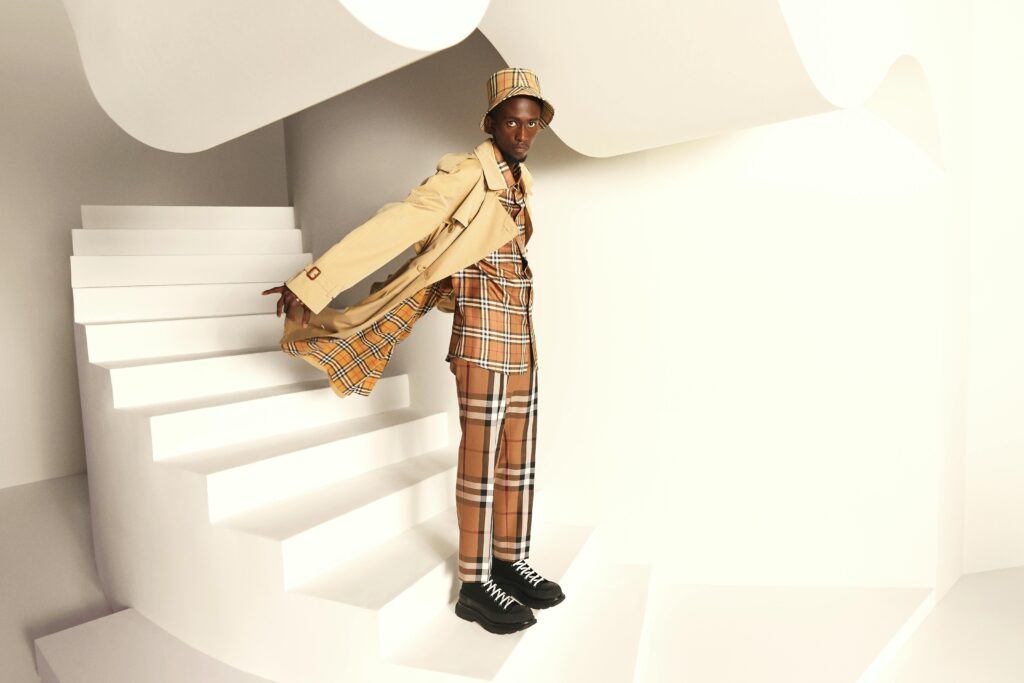
1. Gucci
Known for bold maximalism and iconic stripe detailing.
Signature traits:
- Chunky silhouettes
- Logo-heavy aesthetics
- Vintage-inspired designs
Popular picks:
- Ace Sneakers
- Rhyton Chunky Sneakers
Price range: $650–$1,200+
Best for: Statement fashion.
2. Balenciaga
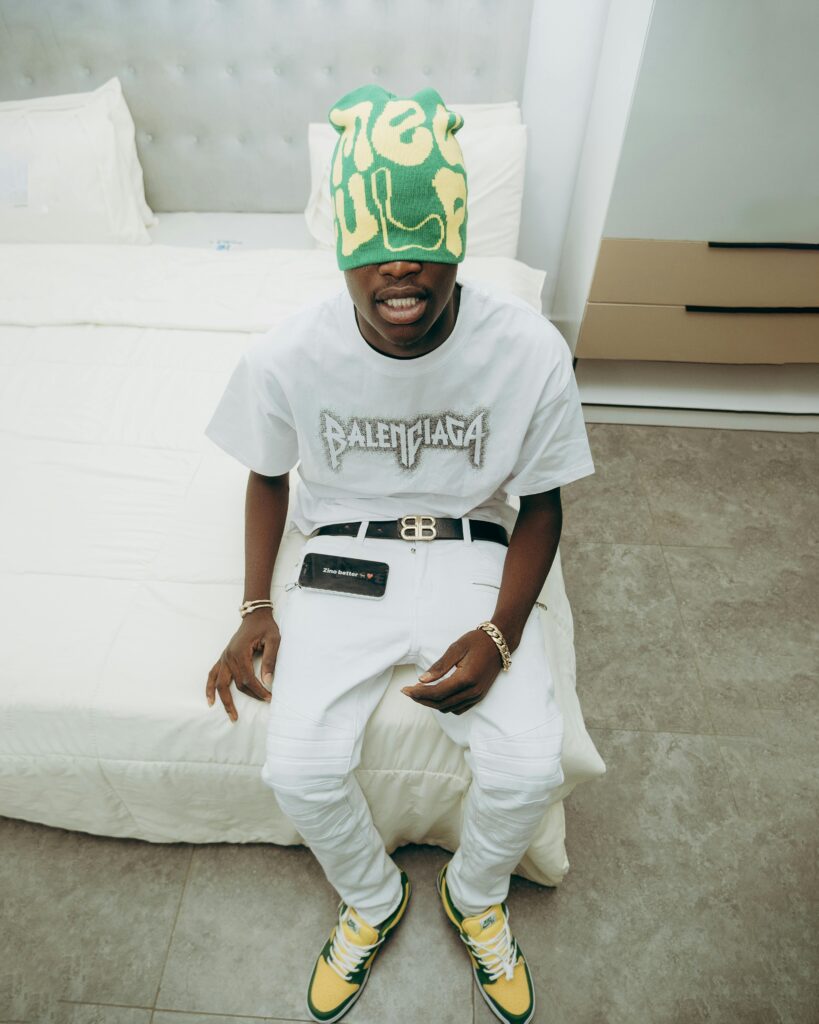
The brand that made oversized sneakers mainstream.
Signature traits:
- Distressed finishes
- Futuristic shapes
- Extreme proportions
Popular picks:
- Triple S
- Track Sneakers
Price range: $900–$1,400+
Best for: Bold streetwear energy.
3. Common Projects
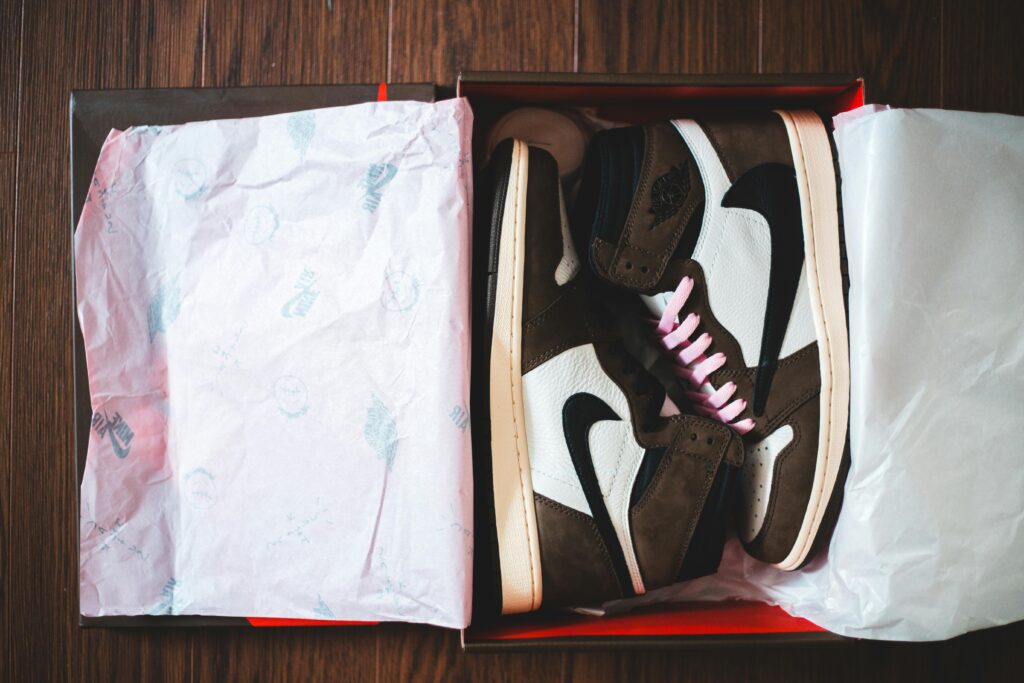
Minimalism perfected.
Signature traits:
- Clean white leather
- Gold serial number stamp
- Italian craftsmanship
Popular pick:
- Achilles Low
Price range: $450–$600
Best for: Understated luxury.
4. Louis Vuitton
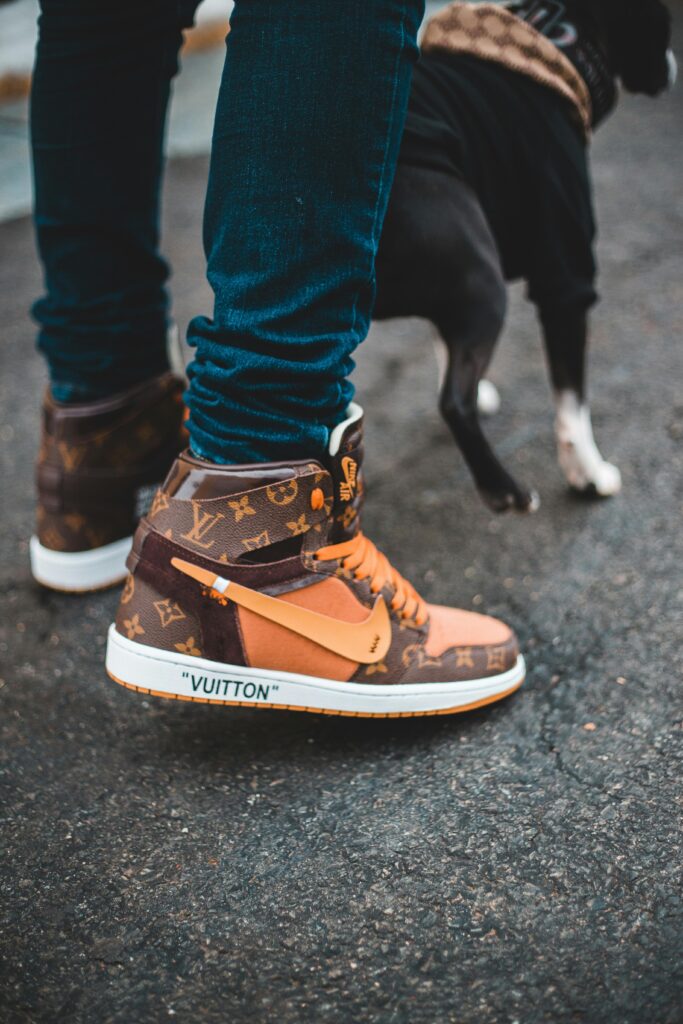
High-end craftsmanship meets street influence.
Signature traits:
- Monogram detailing
- Premium leather
- Artistic collaborations
Price range: $1,000–$2,000+
Best for: Heritage prestige.
5. Alexander McQueen
Known for oversized sole minimal sneakers.
Signature traits:
- Clean uppers
- Thick rubber sole
- Sleek branding
Price range: $500–$700
Best for: Modern luxury everyday wear.
Servis Cheetah High Tops
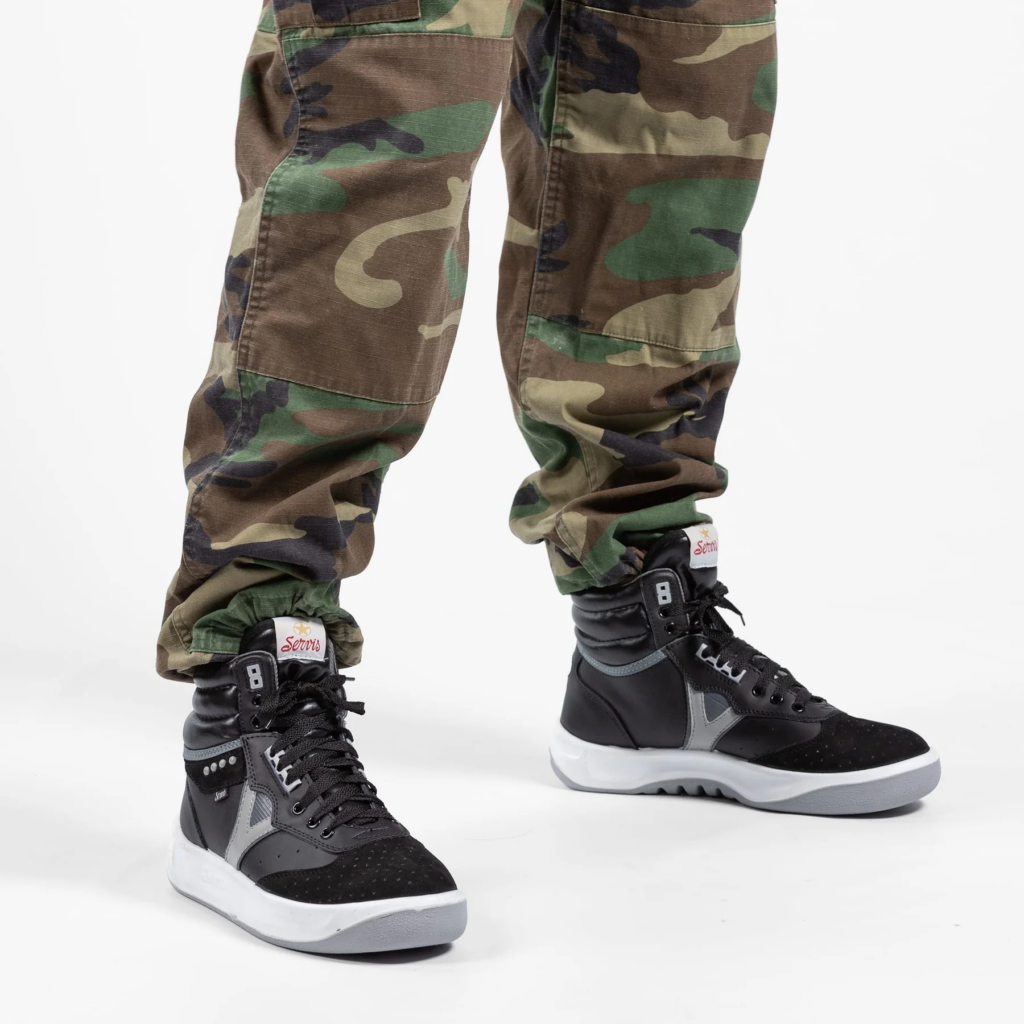
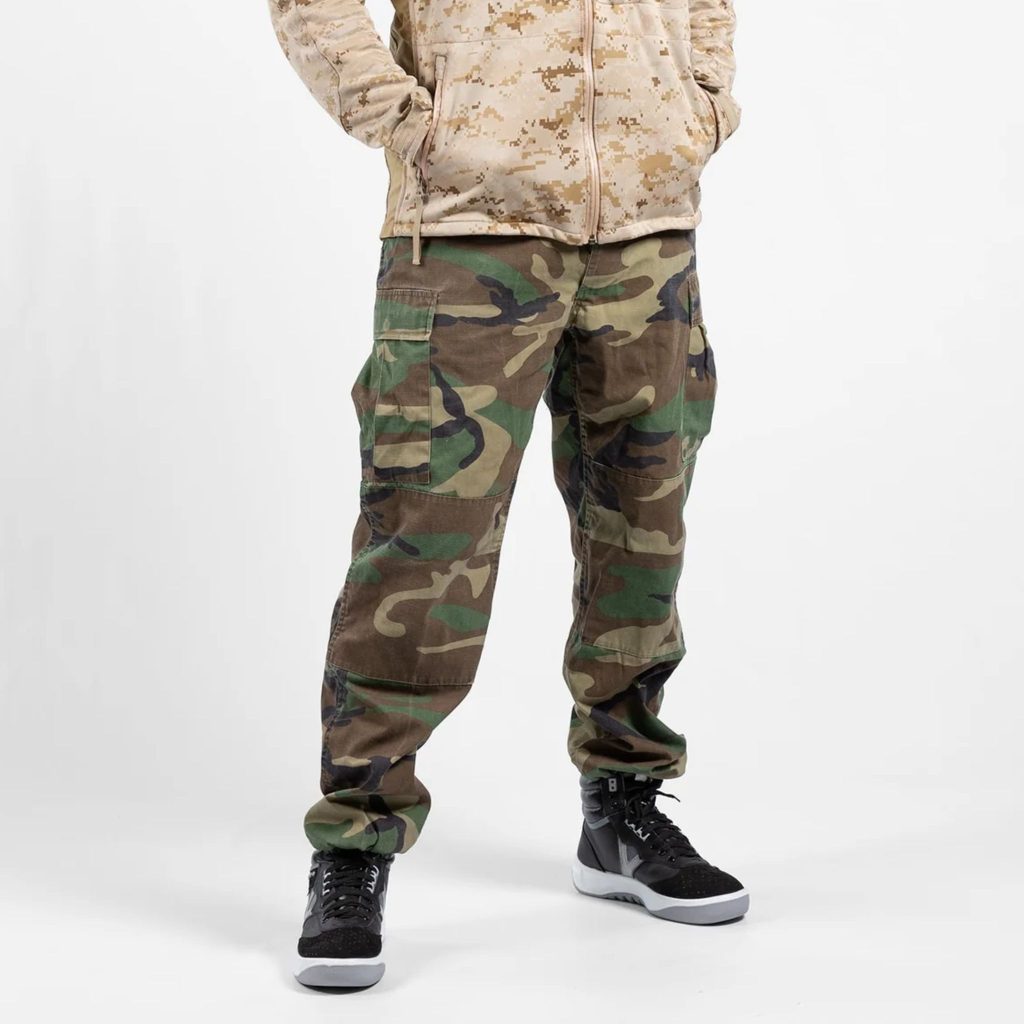
Blending bold street energy with structured craftsmanship, Servis Cheetah High Tops represent a new wave of accessible luxury sneakers. Designed for individuals who want presence without compromising durability, these high tops fuse athletic DNA with urban sophistication.
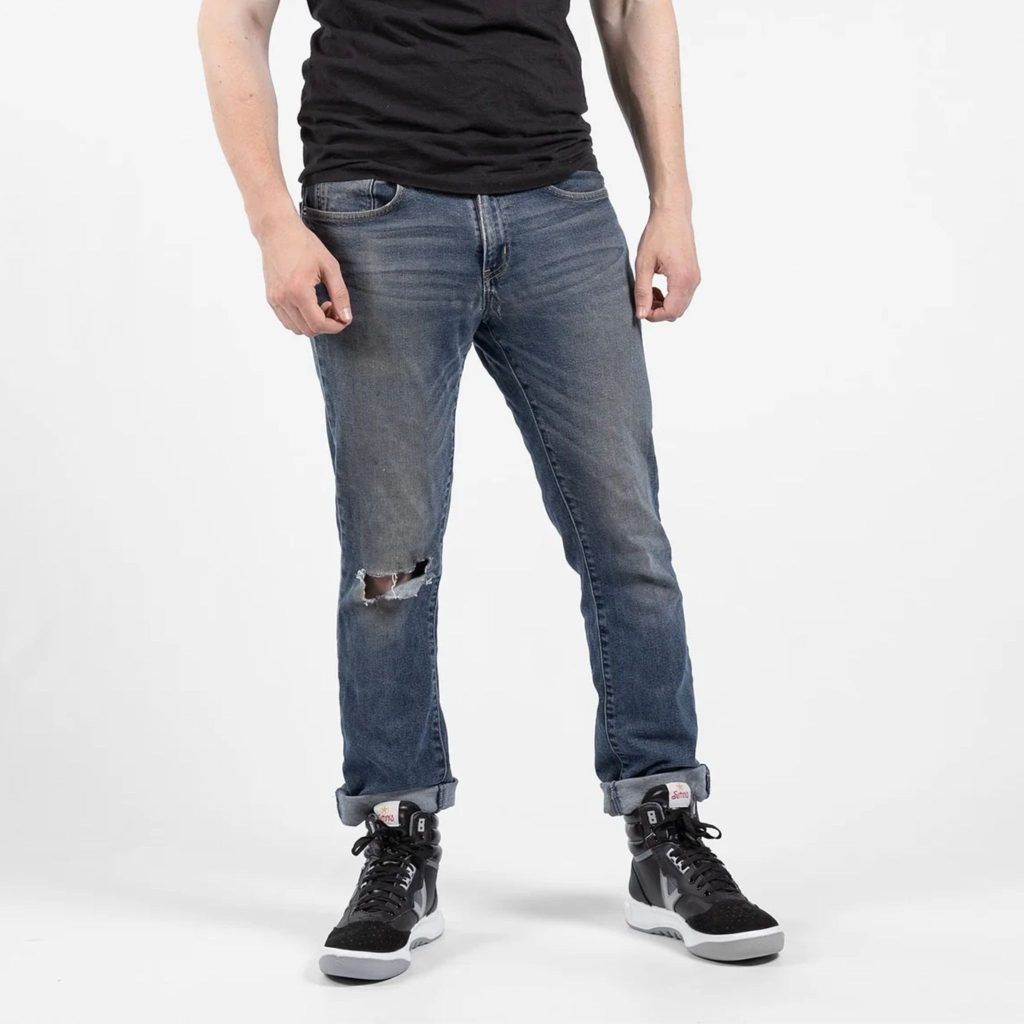
Unlike traditional minimalist luxury sneakers, Servis Cheetah High Tops lean into confident design language — elevated silhouettes, performance-inspired construction, and statement-making finishes.
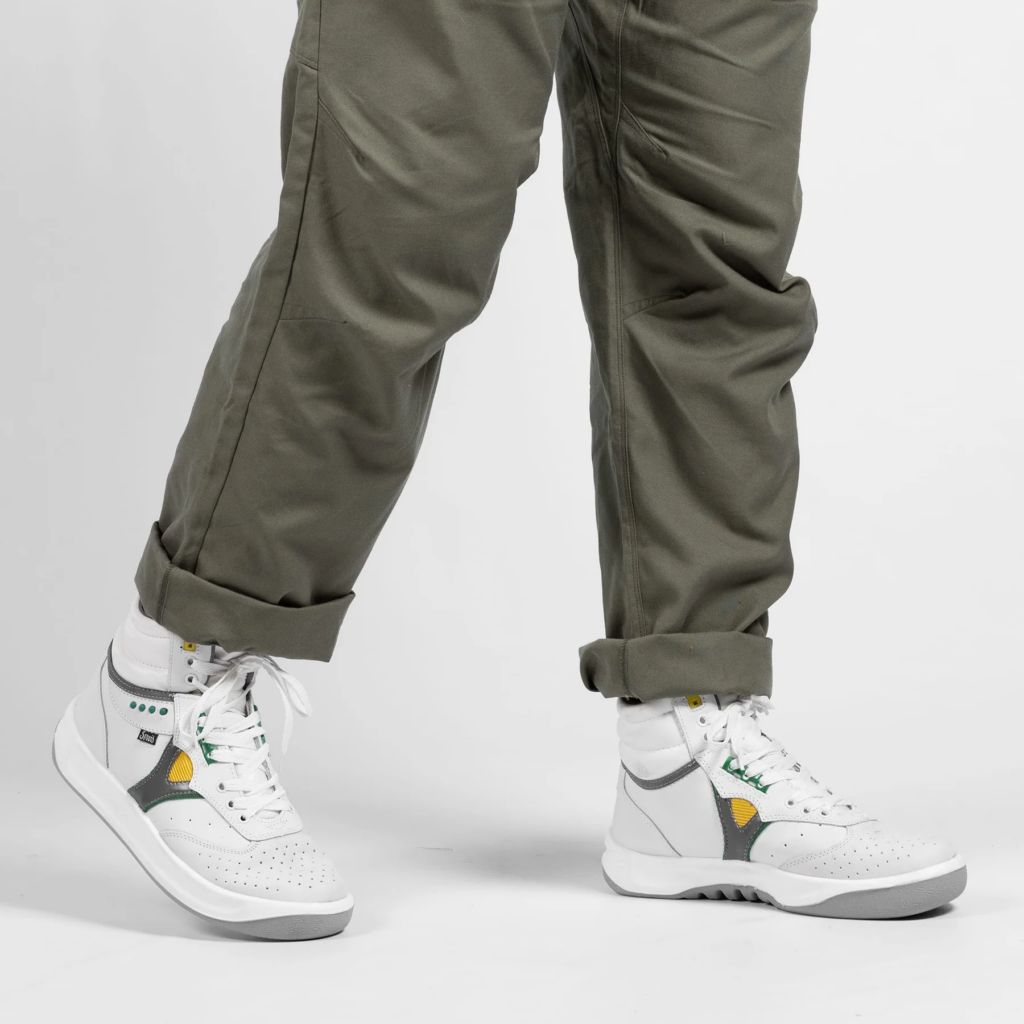
They bridge the gap between premium streetwear and refined everyday styling.
Signature traits:
- Structured high-top silhouette for ankle support and visual impact
- Thick, durable rubber outsole engineered for grip and long-term wear
- Premium leather or high-grade synthetic uppers (model dependent)
- Cushioned insole system for extended comfort
- Clean yet bold branding with athletic streetwear influence
- Reinforced stitching for durability in high-stress areas
Design Philosophy:
Servis Cheetah High Tops are built around versatility.
They are bold enough for streetwear styling, yet structured enough to complement smart-casual outfits.
The elevated ankle design enhances both aesthetic and stability, making them suitable for:
- Urban commuting
- Casual office environments
- Weekend styling
- Streetwear layering
Material & Build Quality:
In the $130–$500 price range, Servis Cheetah High Tops compete in the premium segment by focusing on:
- Durable upper construction
- Reinforced sole bonding
- Shock-absorbing midsole structure
- Breathable inner lining
While ultra-luxury brands often emphasize heritage craftsmanship, Servis Cheetah emphasizes functional durability with style-forward design.
Price range: $130–$500
This range positions the brand within the accessible luxury category — offering elevated design without ultra-high fashion markups.
Best for:
Modern streetwear enthusiasts, fashion-forward professionals, and individuals seeking bold, high-impact sneakers with everyday wearability.
Materials That Separate Real Luxury from Hype
Not all expensive sneakers are truly luxurious.
Here’s what to look for:
Premium Leathers
- Full-grain Italian calfskin
- Nubuck
- Hand-finished suede
Avoid:
- Plastic-coated leather
- Excessive synthetic overlays
Sole Construction
Luxury sneakers often use:
- Margom rubber soles
- Hand-glued + stitched construction
- Durable cup soles
This improves:
- Longevity
- Flexibility
- Comfort over time
Stitch Quality
Check:
- Even spacing
- No loose threads
- Clean edge finishing
Craftsmanship is visible in details.
Are Luxury Sneakers Worth the Investment?
Here’s where most guides fail.
Luxury sneakers operate in two categories:
1. Wear & Enjoy
You buy for personal style and comfort.
2. Collect & Resell
You buy limited editions that may appreciate.
Factors affecting resale value:
- Limited production runs
- Celebrity collaborations
- Cultural relevance
- Condition & box preservation
Certain designer collaborations have doubled in value within 3 years.
But most pairs depreciate.
So buy wisely.
How to Choose the Right Luxury Sneakers
Ask yourself:
1. What’s Your Style Identity?
- Minimalist → Common Projects
- Statement streetwear → Balenciaga
- Heritage elegance → Louis Vuitton
2. What’s Your Budget Range?
- Entry luxury: $400–$600
- Mid-tier luxury: $700–$1,000
- Ultra-luxury: $1,200+
3. Comfort vs Hype
Some chunky sneakers look powerful but feel heavy.
If you prioritize comfort:
- Choose lightweight leather uppers
- Test arch support
- Check insole cushioning
Styling Luxury Sneakers in 2026
With Tailored Suits
Choose minimal white leather.
Avoid oversized chunky styles.
With Streetwear
Go bold:
- Distressed denim
- Oversized hoodies
- Chunky silhouettes
Smart Casual
Pair with:
- Slim chinos
- Structured jacket
- Neutral palette sneakers
Luxury Sneakers vs Premium Sneakers: What’s the Difference?
Premium sneakers (like high-end Nike or Adidas) focus on performance + hype.
Luxury sneakers focus on:
- Craftsmanship
- Fashion positioning
- Materials
- Exclusivity
It’s craftsmanship vs mass production.
How to Spot Fake Luxury Sneakers
Counterfeits are everywhere.
Red flags:
- Incorrect logo spacing
- Cheap packaging
- Weak stitching
- Wrong sole thickness
- Unrealistically low price
Always buy from:
- Official boutiques
- Authorized retailers
- Verified platforms
Caring for Luxury Sneakers
To protect your investment:
- Use cedar shoe trees.
- Clean with leather-specific products.
- Store in dust bags.
- Avoid heavy rain exposure.
Luxury leather ages beautifully — if maintained.
The Future of Luxury Sneakers (2027 and Beyond)
Trends shaping the next wave:
- Sustainable premium materials
- Digital authentication (blockchain-based)
- AI-personalized fit systems
- Hybrid sneaker-loafer designs
Luxury is evolving beyond aesthetics.
It’s moving toward smart craftsmanship.
FAQ: Luxury Sneakers
Are luxury sneakers comfortable?
Most are designed for style first, comfort second. However, brands like Common Projects and Alexander McQueen offer excellent everyday comfort.
Do luxury sneakers increase in value?
Only limited collaborations and rare models typically appreciate. Most pairs depreciate after purchase.
What is the best entry-level luxury sneaker?
Common Projects Achilles Low is widely considered the best minimalist entry luxury option.
How long do luxury sneakers last?
With proper care, high-quality leather sneakers can last 5–10 years.
Are luxury sneakers better than premium sports sneakers?
They excel in craftsmanship and materials, but may not outperform athletic sneakers in sports performance.
Final Thoughts on Luxury Sneakers in 2026
Luxury sneakers are no longer a trend. They are a permanent pillar of modern fashion.
They combine comfort, prestige, and craftsmanship in a way no other footwear category can.
But the smartest buyers don’t just chase hype.
They understand materials.
They evaluate resale potential.
They buy with intention.
If you’re ready to elevate your wardrobe with true designer footwear, start with a timeless silhouette — and build from there.
Want more in-depth footwear guides, style breakdowns, and luxury buying insights?
👉 Explore our premium fashion resources and stay ahead of 2026 trends.
