
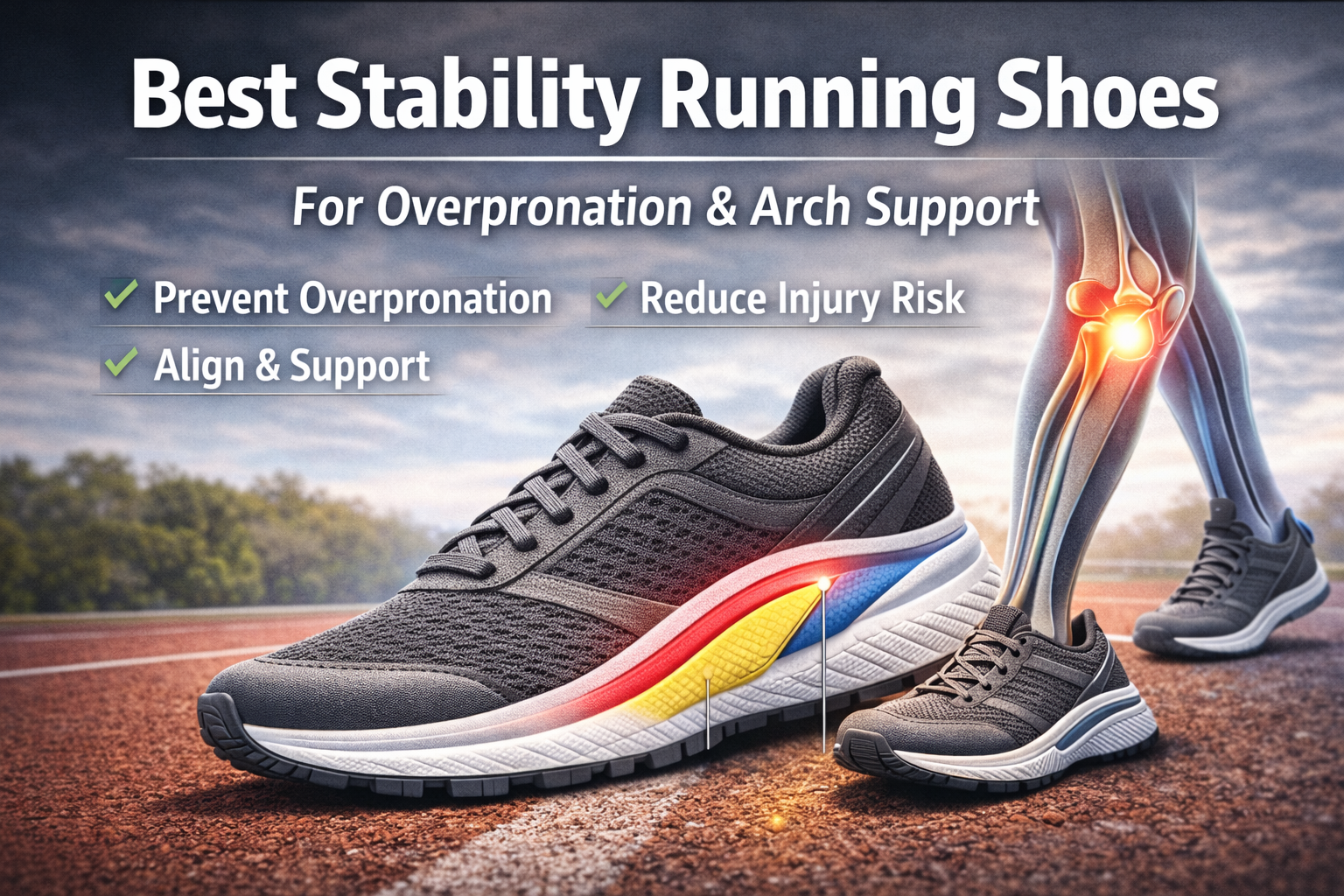

Best Stability Running Shoes for Overpronation (2026): Expert Guide to Support, Comfort & Performance
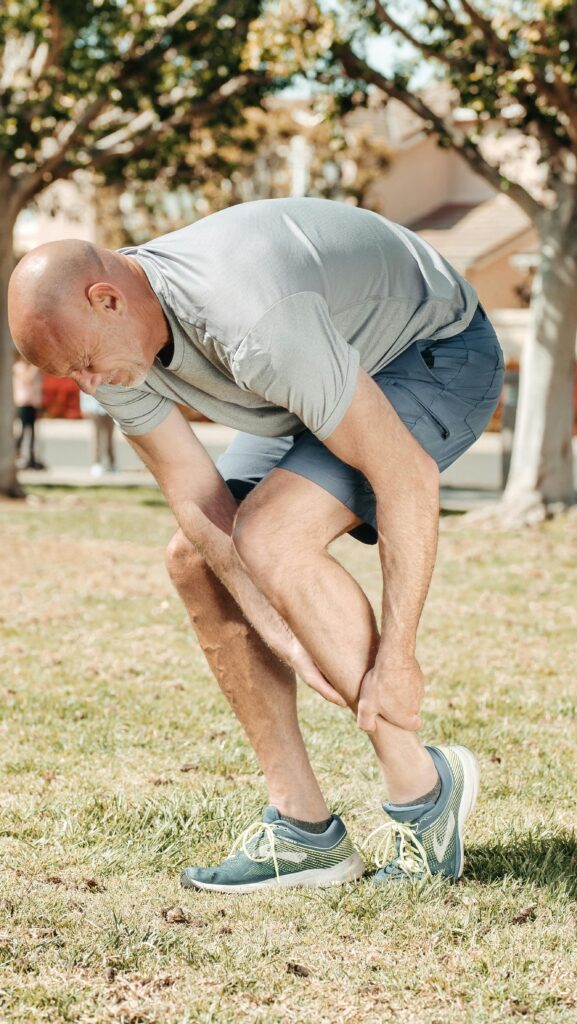
Stability Running Shoes: Last year, a recreational runner walked into a sports clinic with recurring knee pain. He had changed socks. He had tried stretching routines. He had reduced mileage. Nothing worked.
The problem wasn’t his training.
It was his shoes.
He was unknowingly overpronating — and wearing neutral sneakers.
That’s where stability running shoes change everything.
If you want comfort, injury prevention, and better performance, this guide will show you exactly how stability running shoes work, who needs them, and how to choose the right pair — especially if you’re looking for high-performance sneakers without overpaying for global brand markups.
What Are Stability Running Shoes?
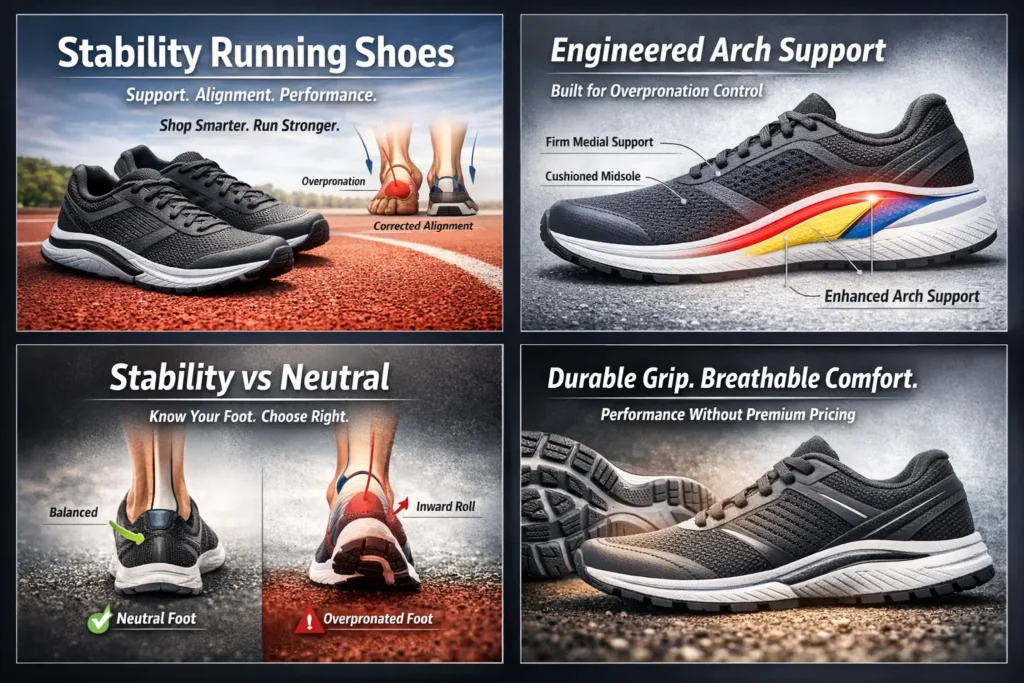
Stability running shoes are engineered to control excessive inward rolling of the foot — known as overpronation.
Pronation is natural. Every foot rolls inward slightly to absorb shock.
But when the arch collapses too much, it creates biomechanical stress across the ankle, tibia, and knee.
Stability shoes solve this with:
- Medial support systems
- Dual-density midsoles
- Structured arch reinforcement
- Firm heel counters
- Guided motion design
They don’t stop motion.
They guide it.

The Science of Overpronation (Why Support Matters)
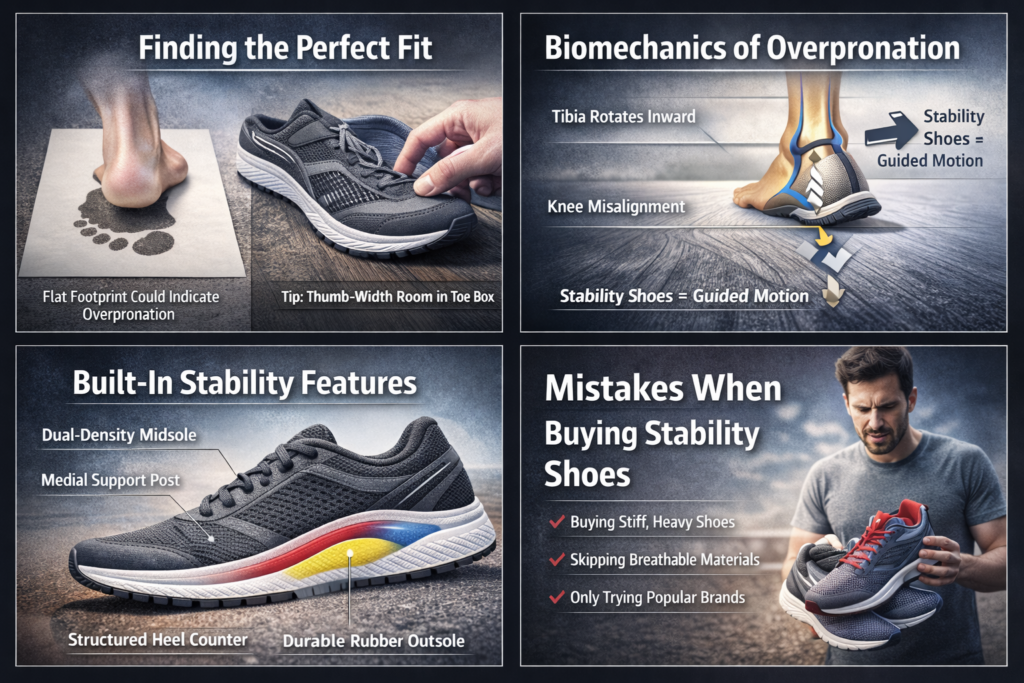
When your foot overpronates:
- The arch flattens excessively.
- The ankle rotates inward.
- The tibia follows.
- The knee alignment shifts.
- Impact stress increases.
Over time, this can lead to:
- Shin splints
- Plantar fasciitis
- Runner’s knee
- Achilles strain
- Lower back fatigue
Running shoe stability reduces rotational torque, improving alignment and distributing force more evenly.
This isn’t marketing. It’s biomechanics.

Stability Running Shoes vs Neutral Running Shoes
Understanding this difference is critical before buying.
| Feature | Stability Running Shoes | Neutral Running Shoes |
|---|---|---|
| Best For | Overpronation | Neutral gait |
| Arch Support | Moderate–High | Standard |
| Medial Reinforcement | Yes | No |
| Motion Control | Guided | Flexible |
| Injury Prevention | High for overpronators | Moderate |
If you have flat feet or notice inward ankle collapse, choosing neutral shoes can worsen alignment over time.
How to Know If You Need Stability Running Shoes
You don’t need a lab test.
Try these methods:
1. The Wet Foot Test
Step on paper with wet feet.
- Full imprint → likely flat feet → stability recommended
- Moderate curve → neutral
- Narrow strip → high arch
2. Shoe Wear Pattern
Check your old shoes.
If the inner side of the sole wears out faster, you likely overpronate.
3. Knee Alignment Check
Stand barefoot in a mirror.
If knees angle inward slightly, stability shoes may help.
Best Stability Running Shoes for Overpronation (What to Look For)
Instead of chasing hype, focus on structure.
Here’s what truly matters:
✅ Medial Post or Reinforced Foam
Controls inward rolling.
✅ Firm Midsole with Balanced Cushion
Too soft = unstable.
Too hard = uncomfortable.
✅ Durable Rubber Outsole
Essential for traction and longevity.
✅ Breathable Upper
Prevents heat buildup during long runs.
✅ Arch Support Design
Flat shoes are not stability shoes.
The Construction Anatomy of Stability Running Shoes
Most buyers don’t understand how these shoes are built.
Here’s what differentiates them internally:
- Dual-density foam layering
- Medial wedge reinforcement
- Heel counter rigidity
- Structured midfoot shank
- Strategic outsole geometry
Budget shoes skip these layers.
High-quality stability sneakers integrate them intelligently — balancing support with flexibility.
Common Buying Mistakes (And How to Avoid Them)
Many people:
- Buy the stiffest shoe thinking “more support = better”
- Choose size based on casual sneakers
- Ignore outsole durability
- Focus only on brand name
The correct approach:
- Identify your pronation type.
- Choose moderate support.
- Ensure thumb-width toe space.
- Prioritize structural build over logo.
Stability Running Shoes for Daily Wear
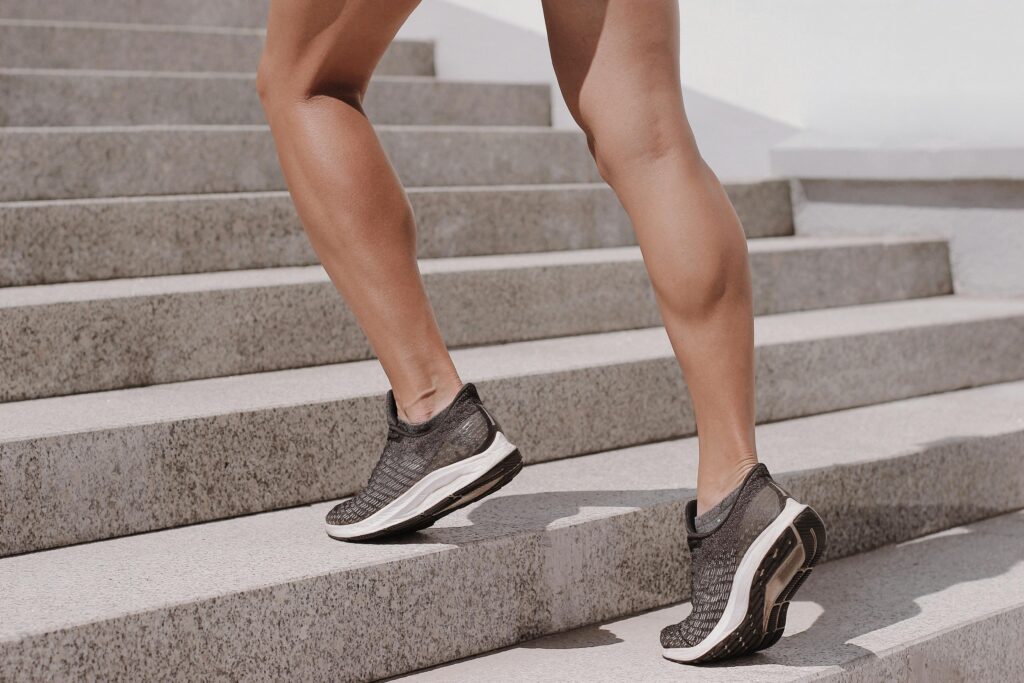
Stability isn’t just for runners.
They’re excellent for:
- Long working shifts
- Retail staff
- Hospital professionals
- Students walking campus
- Travel and commuting
If you stand 8+ hours daily, structured arch support prevents fatigue accumulation.
Performance Benefits Beyond Injury Prevention
Stability improves:
- Stride efficiency
- Energy return
- Muscle alignment
- Long-distance comfort
- Confidence during movement
Less wasted motion means more forward propulsion.
That translates to endurance.
Affordable Stability Running Shoes: Smart Performance Without Premium Pricing
Global brands charge heavily for marketing.
But structure matters more than branding.
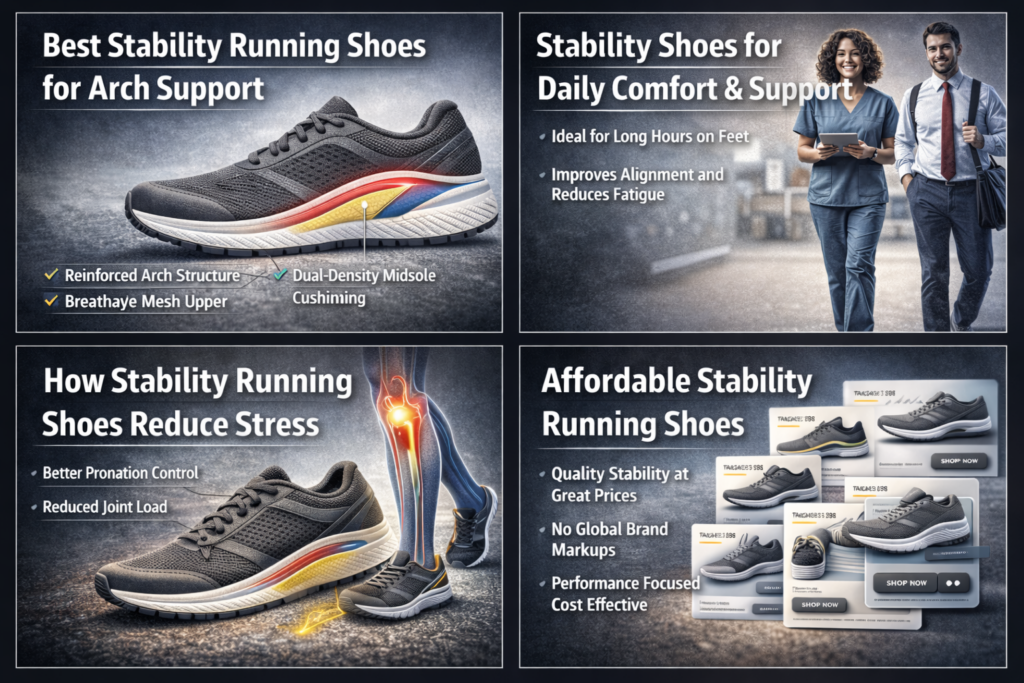
When choosing a performance-oriented stability sneaker, look for:
- Reinforced arch structure
- Shock-absorbing midsole
- Breathable mesh construction
- Durable rubber outsole
- Everyday versatility
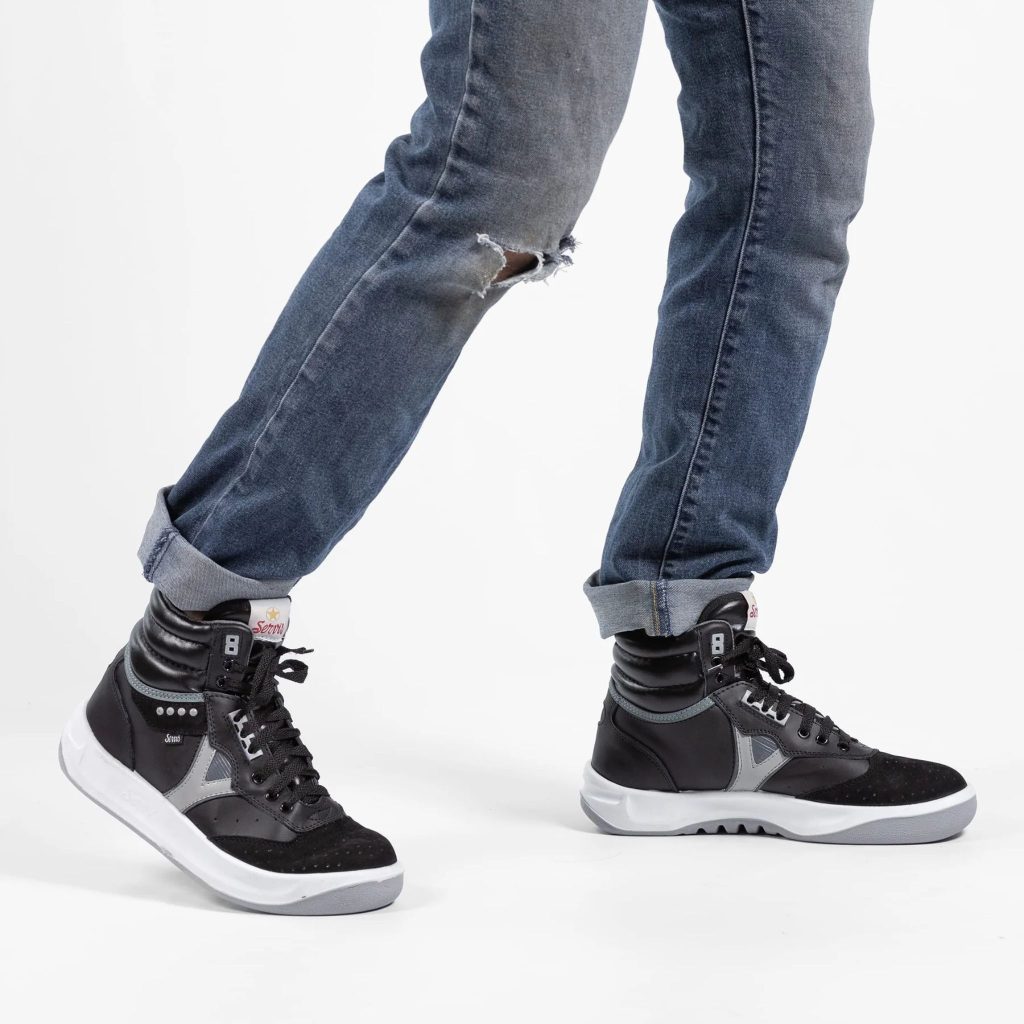
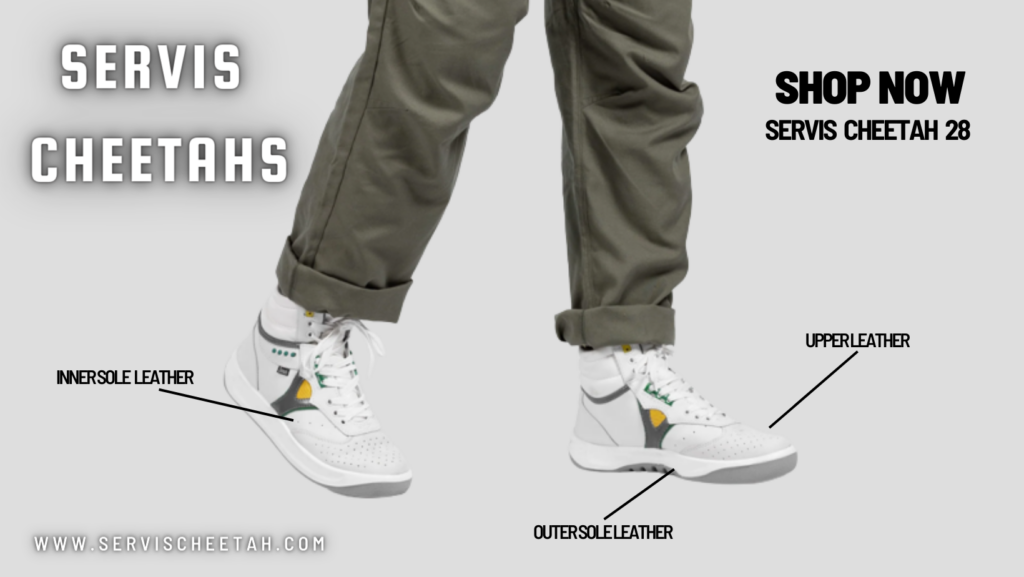
Well-constructed models like Servis Cheetahs sneakers deliver balanced support, durable grip, and breathable comfort — making them suitable for light running, gym sessions, and daily use without premium international pricing.

For buyers seeking value without sacrificing stability, that balance is critical.
How Long Do Stability Running Shoes Last?
Typically:
- 500–800 km for runners
- 6–12 months for casual use
Replace them if you notice:
- Flattened midsole
- Uneven inner sole wear
- Reduced arch firmness
- Increased knee discomfort
Support degrades before appearance does.
Stability vs Motion Control Shoes
Motion control shoes are stiffer and designed for severe overpronation.
Stability shoes are lighter and more flexible.
For most runners, moderate stability is ideal.
Frequently Asked Questions (FAQ)
1. Are stability running shoes good for flat feet?
Yes. They provide arch support and medial reinforcement that help prevent inward collapse.
2. Can neutral runners wear stability shoes?
They can, but excessive correction may feel unnatural.
3. Do stability running shoes prevent knee pain?
They help reduce stress caused by overpronation, which can minimize knee strain.
4. How are stability running shoes different from motion control shoes?
Motion control shoes are stiffer and designed for severe pronation, while stability shoes offer moderate guidance.
5. Are stability running shoes heavy?
Modern designs are lightweight and breathable compared to older models.
Final Thoughts on Stability Running Shoes
Choosing the right stability running shoes isn’t about trends.
It’s about alignment, durability, and long-term joint health.
If you overpronate or need structured support, the right pair can improve performance, reduce fatigue, and protect your knees and ankles.
Instead of paying inflated brand premiums, focus on construction quality, arch support, and real-world durability.
If you’re ready to upgrade your stride with performance-driven, value-focused sneakers, explore stability-inspired options designed for comfort, support, and everyday confidence.
Your feet carry you daily.
Give them the stability they deserve.
How do stability running shoes actually correct overpronation?
When your foot lands, the reinforced section resists excessive inward roll. This reduces tibial rotation and improves knee alignment without restricting natural movement.
The key is guidance — not rigidity.
Are stability running shoes necessary for beginner runners?
New runners often have weaker foot and ankle stabilizing muscles. Stability shoes provide structural support while those muscles develop strength over time.
They reduce early fatigue and lower injury risk during the adaptation phase of training.
Can wearing stability running shoes improve posture?
When overpronation is controlled, the ankle and knee remain better aligned. That alignment improves hip positioning and reduces lower-back stress.
While stability shoes aren’t posture correction devices, improved lower-body mechanics can positively influence standing and walking posture.
