

The Lunar New Year or Chinese New Year or Spring Festival is one of probably the most important and popular celebrations that take place across a number of Asian nations. Though being most popular with China, Lunar New Year is celebrated like Tet among Vietnamese, Seollal among Koreans, or among other communities that use traditional lunar or lunisolar calendars. This article will take a closer look at the nature of this lovely holiday and point to its origins as well as to the practices that surround this celebration.
The Origins of Lunar New Year
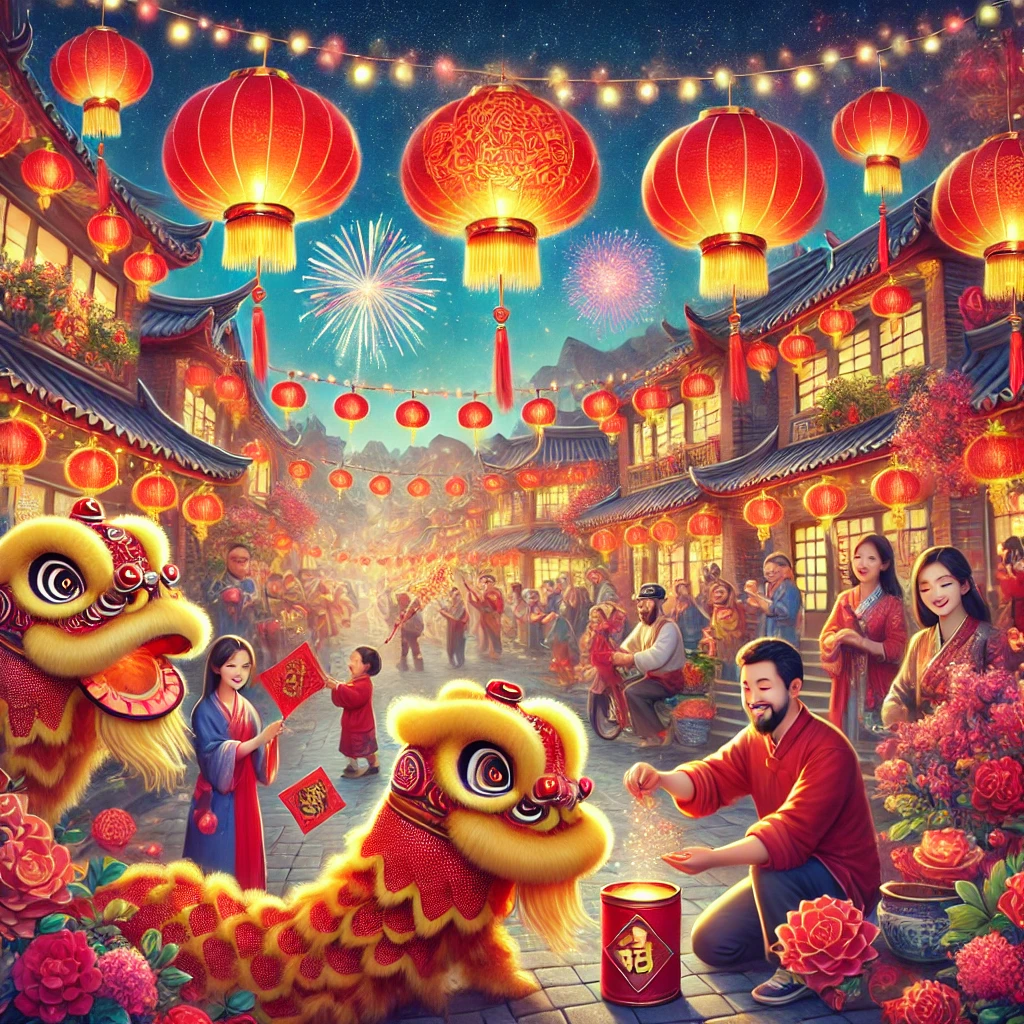
The celebration of Lunar New Year has its roots even earlier than the historical state of China, from thousands of years ago. The festival is without a doubt tied to the agarian culture and it was configured to be marked at the end of the winter period specifically the onset of the planting season. The origin of the holiday is rooted in a mythical creature : Nian Known before as 你年, Nian means year.use This creature would go on to rampage the villages taking to eating crops, livestock, and at times humans. They found out that Nian could be scared off by noise, light and the color red and thus, many of the practice that are observed today where adopted, practices such as setting off fire crackers and having red paper hangings at home.
The Chinese New Year’s Day ranges from January 21 and February 20 because the Chinese follows the lunar calendar system. Every year is linked with one out of the twelve zodiac animals and one of the five elements, namely wood, fire, earth, metal and water. These both cycle together, and every sixty years both of them are followed in order to predict beliefs of the people in the coming year.
Key Traditions and Customs Lunar New Year
- Family Reunions
Family is the focus of the most important event of the Lunar New Year. People formally separated, separated by a distance, meet once in a year, hence it is the biggest human traffic of the year especially in china. This time is referred to as the Spring Festival transport rush or Chun Yun (春运).
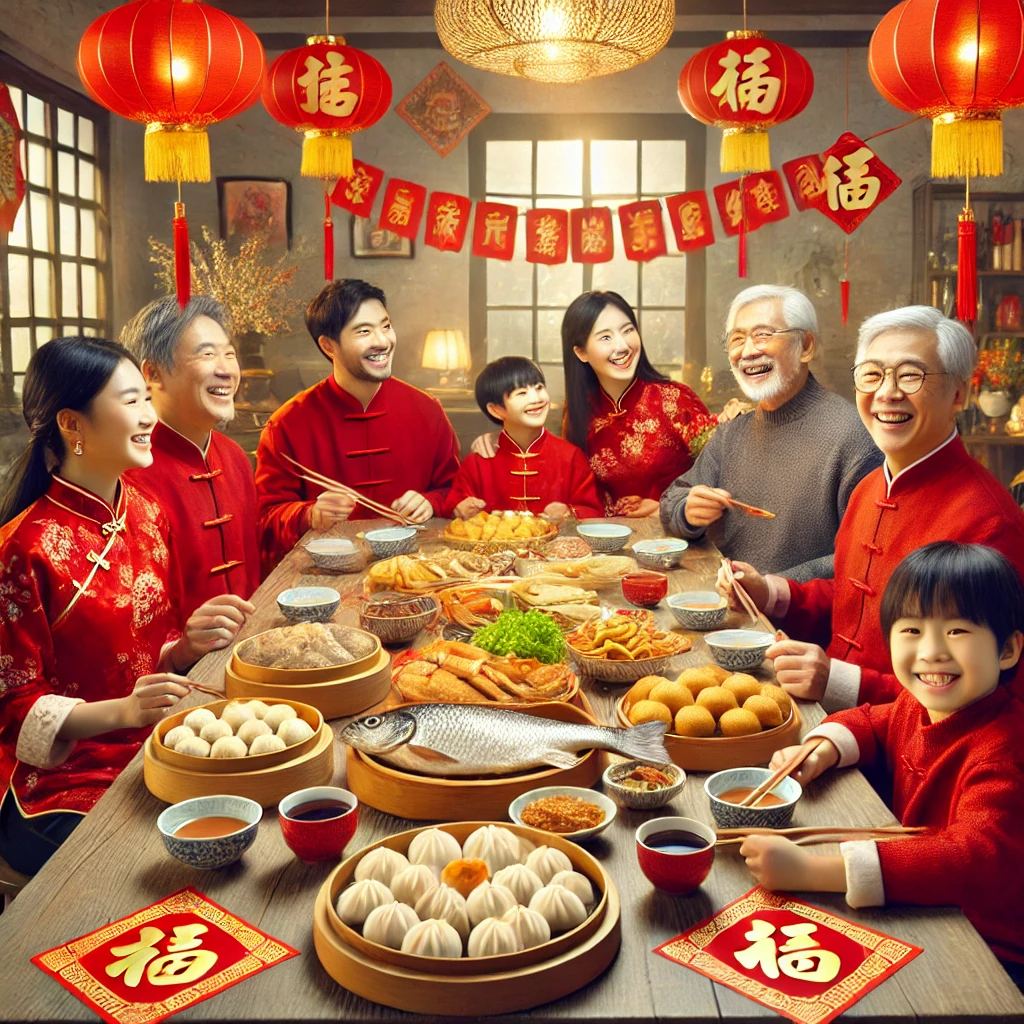
During the end of the year or especially on New Year’s eve families sit down for a special reunion dinner which is regarded to be the most important meal of the year. Many of the dishes brought during the feast are following the symbolic logic More detailed list of such meals is presented below. For instance:
• Fish (鱼): Refers to excess and wealth.
• Dumplings (饺子): Represent prosperity and good fortune because they are similar in design to the ancient bars of gold.
• Glutinous rice cake (糕): Indicates prosperity in the following year.
• Spring rolls: Meaning wealth since they resemble gold bars. - Red Envelopes (红包)
The giving of red envelopes that contain money has become one of the most endearing traditions. Popular in China, and widely accepted in other Asian countries such as Vietnam and Korea, ‘hong bao,’ ‘li xi’ or ‘sebae don,’ respectively, cash-filled red envelops are normally presented to children and young adult juniors as tokens for blessings for the year ahead. The money enclosed is usually an even figure because odd figures are usually figured to do with funerals. - Cleaning and Decorating
In particular, the day before the new year day people of Lunar New Year clean their homes to clear the evil spirit and prepare for the New Year. However, cleaning is prevented on the New Year day itself in order not sweep away any incoming luck.
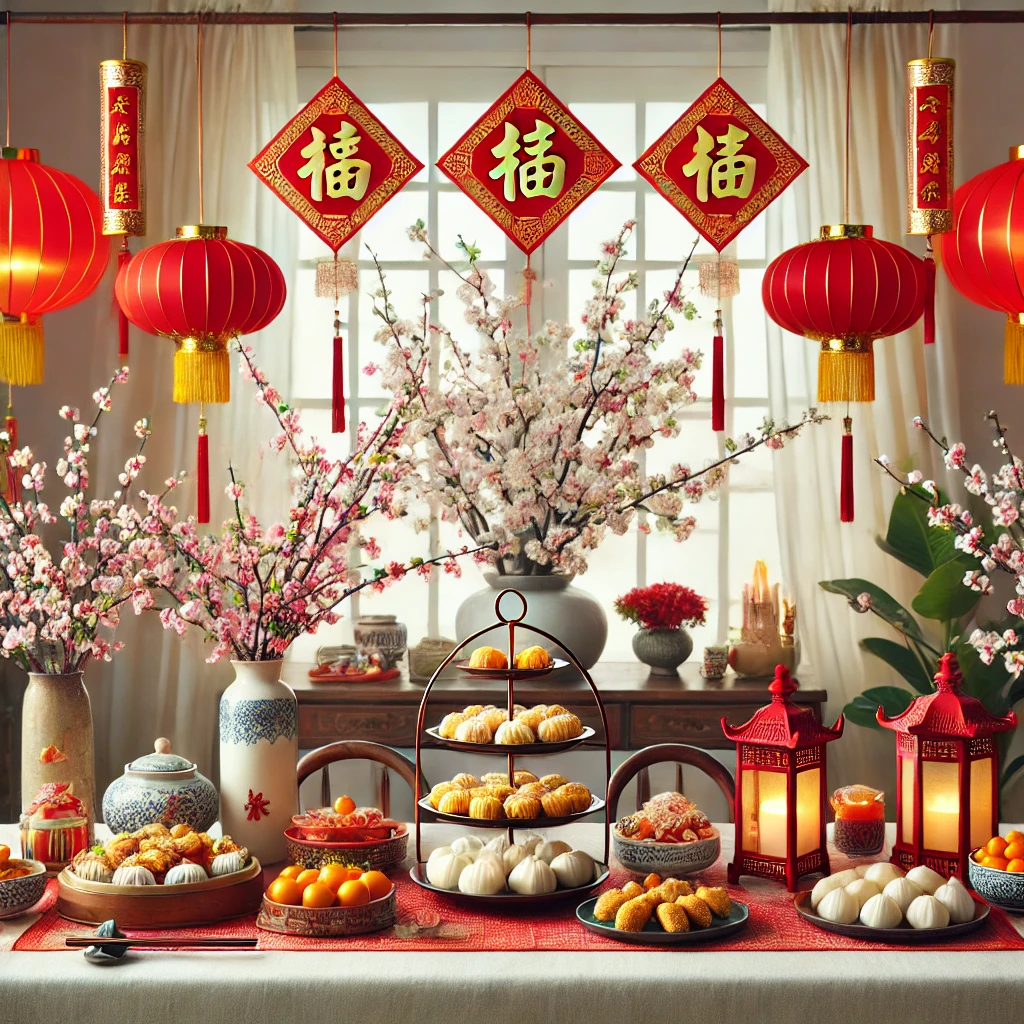
Signs of happiness include red lanterns, paper cuttings and couplets, which bear  good fortune  on them and are put in homes. Many of the decorations are of red color because in Chinese culture red denotes happiness, prosperity and luck. - Lion and Dragon Dances
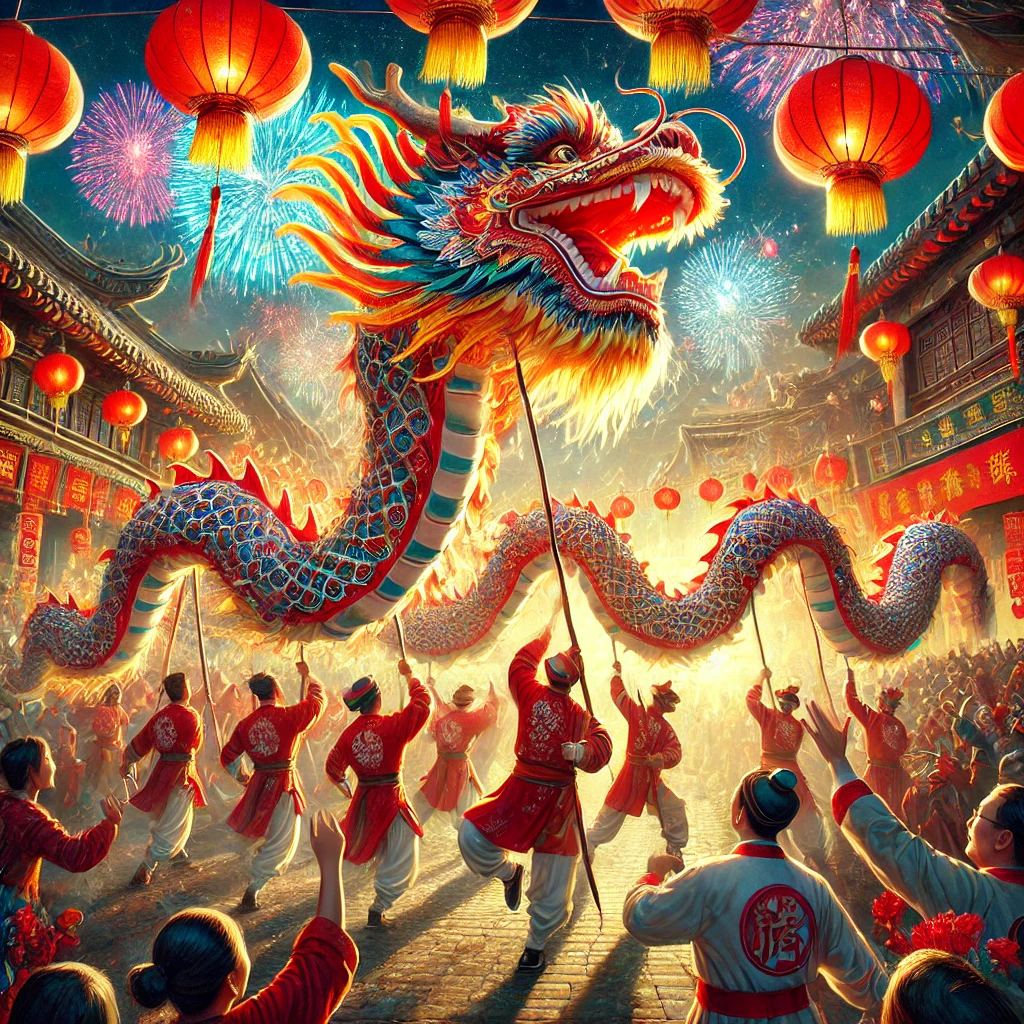
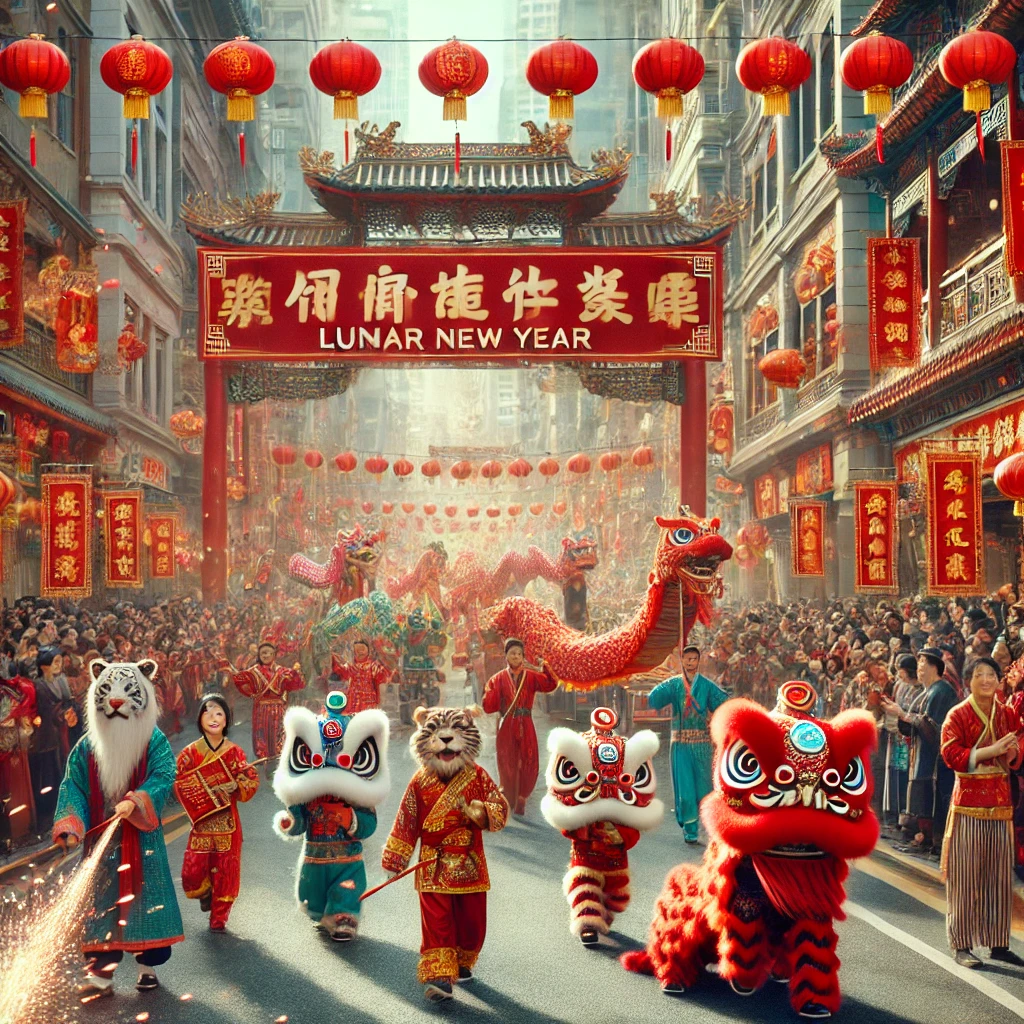
Lion and dragon dances are lively and spirited dances which people think can repel evil spirits and attract blessings. It is done to drums, cymbals, and gongs, these dances are often characteristic of a public function. - Firecrackers and Fireworks
Due to their link with the Nian legend, firecrackers and fireworks are commonly burst at nights during the celebration of Lunar New Year. It is believe that such noisy and bright moments helps to chase the bad luck and to open the year of joy and success. - Visiting Temples
People go to temples during the Lunar New Year to solicit blessings of good health, wealth and fortune. These are presented to gods and spirits, compliments are paid to the dead by burning of incense.
Regional Variations
While the essence of the Lunar New Year is similar across cultures, there are unique customs and traditions in different countries:
• China: Besides the noted traditions, the celebration ends with the Lantern Festival on the 15th day of celebration. In cultures people send up paper lanterns or place them onto the water to symbolize the start of a new future.
• Vietnam (Tết): Families make “bánh chưng”(sticky rice cake in square shape) and “bánh tét” (sticky rice cake in cylindrical shape) for their ancestors. Spyophyls such as peach blossoms and kumquat trees are often used.
• South Korea (Seollal): Sebae which is a form of greeting Koreans bow to the elderly and they have traditional meals of the country which include ‘tteokguk a soup containing rice cake’.
Current Celebration of Lunar New Year Today’s Lunar New Year has become an international celebration that also takes place in Asia. New York, London, Sydney, and San Francisco to mention but a few always lay down grand parades, cultural celebrations and fireworks. It has turned into a televised international Asian festival.
The Lunar New Year festivities have also been altered by social media. Beyond sending virtual red envelopes, TCP has helped people to contain the festival mood and share festival messages, photos, and videos with families and friends, and send season greetings to those far away.
Symbolism and Superstitions. The Lunar New Year is truly the most symbolic and muzzle festival in the Asian region owing to its many myths and taboos. Some common beliefs include:
• Wearing New Clothes: Means a new beginning and invites luck.
• Avoiding Negative Words: In Japan, one refrains from using words such as ‘death’ spoken in the same breath as ‘death,’ or ‘illness,’ spoken in the same breath as ‘illness.’
• Refraining from Breaking Objects: It is a believes that breaks plates or mirrors are hold to bring bad luck.
• Eating Long Noodles: Stands for longevity and a long life cycle.
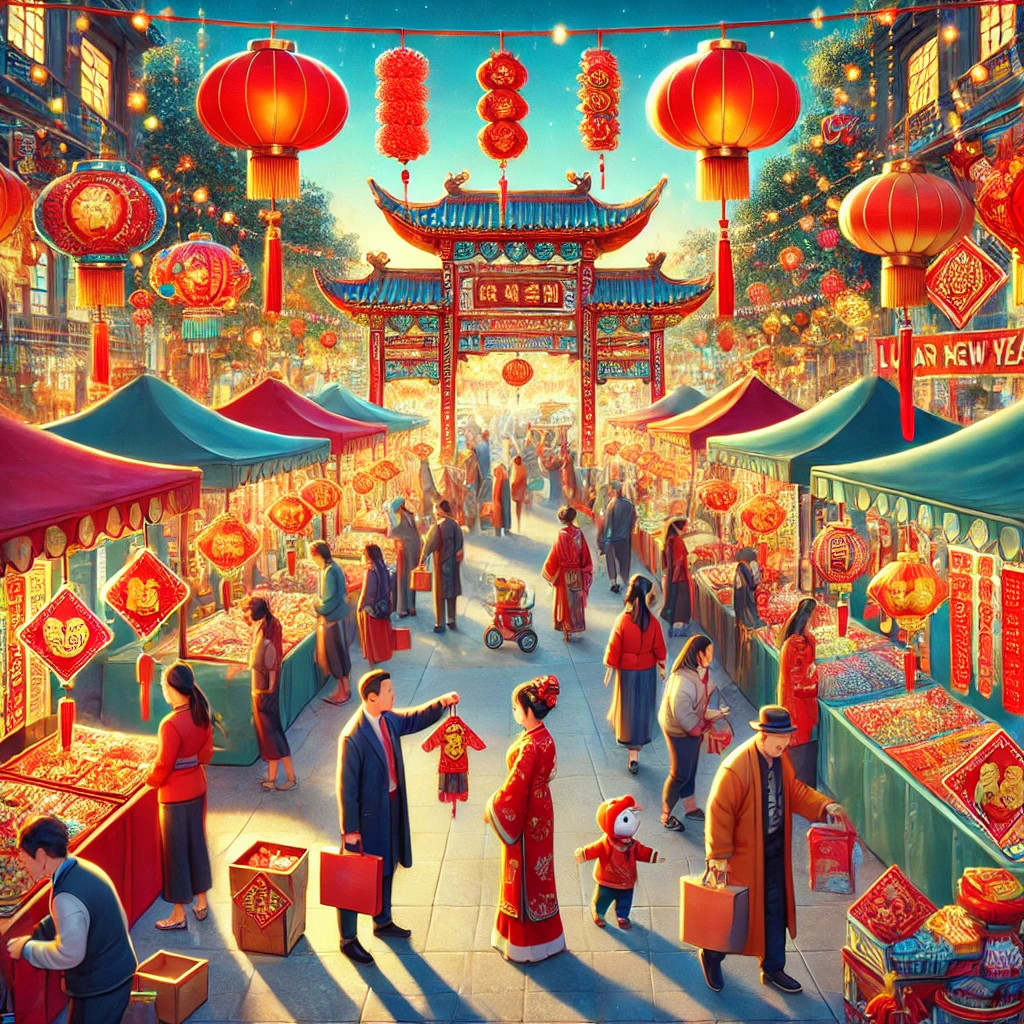
Happy Lunar New Year Wishes from SHOPNOWPK.COM
So, we are delighted to offer our customers and our community as a whole an opportunity to express cultural values and share positive emotions during the most joyful time of the year. In welcoming the Year of the Wood Dragon (2025), we and the whole family wish the very best to you and your entire family. May this Lunar New Year be filled with more than your heart can hold, your pockets can hold, and many successes as you chase them.
For your essential and value-added Lunar New Year consumption, browse through out unique selection or themed home décor items, festive wear and gift articles. It’s the time of the year to capture the feeling of togetherness and sharing – so come shopping!
Conclusion
Lunar New Year is basically a time of celebration, introspection and change. It is a party that reunifies families with roots and valiantly preserves the expected future. Whether it involves firecracker lighting, a reunion dinner with family and friends, or any form of revelry, the Lunar New Year is essentially the time for appreciation of existing blessings or a time to find some happy new beginnings.
On behalf of the entire team at SHOPNOWPK.COM – Happy prosperous and joyful wishes of Lunar New Year 2025 to celebrate the New Year for your success! Happy New Year wishes to all – may this coming year be a healthy, happy and full of opportunities year.


