

Introduction
NIKE SNKRS: Footwear plays a crucial role in our daily lives, transcending mere functionality to become a symbol of style, culture, and identity. Among the myriad of footwear brands, Nike SNKRS and Servis Cheetahs stand out for their distinct approaches and unique consumer bases. Nike, an iconic global brand, has revolutionized the sneaker industry with its SNKRS app, while Servis Cheetahs have become an unexpected yet significant player in conflict zones. This blog post delves into the rich histories, designs, market strategies, cultural impacts, and future prospects of these two contrasting yet fascinating footwear brands.
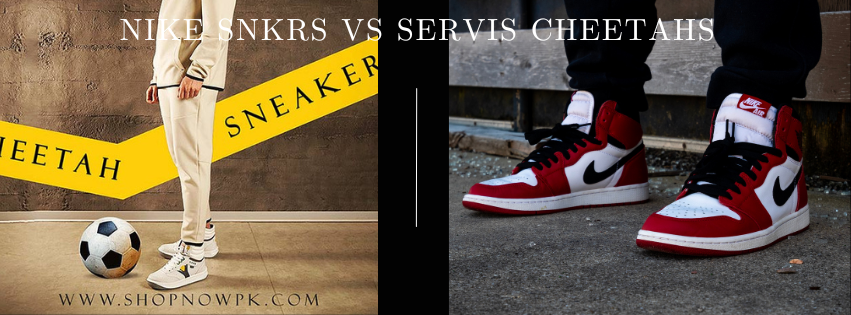
Nike SNKRS vs Servis Cheetahs
| Category | Nike SNKRS | Servis Cheetahs |
|---|---|---|
| History | Founded in 1964, SNKRS app launched in 2015 | Founded in 1958, Cheetahs introduced in 1980s |
| Design | Advanced, innovative, tech-driven | Practical, durable, straightforward |
| Technology | Features like Flyknit, Air Max, AR in app | Synthetic leather, mesh, rubber sole |
| Market Strategy | Exclusivity, hype, community engagement | Affordability, durability, practicality |
| Target Audience | Sneaker enthusiasts, collectors, fashionistas | Lower to middle-income individuals, insurgents |
| Cultural Impact | Status symbol, pop culture influence | Symbol of resilience in conflict zones |
| Economic Impact | Significant global revenue, resale markets | Supports local economies in South Asia |
| Ethical Considerations | Labor practices, environmental impact | Association with Taliban insurgents |
| Consumer Feedback | Positive but frustrated by limited releases | Positive for durability, mixed due to associations |
| Future Prospects | Continued innovation, sustainability focus | Addressing reputation, potential market expansion |
This table highlights the key differences and similarities between Nike SNKRS and Servis Cheetahs, providing a comprehensive overview of each brand’s attributes and market positioning.
History and Evolution
Nike SNKRS
Nike, founded in 1964 by Bill Bowerman and Phil Knight, has grown into a global powerhouse in sportswear and fashion. The SNKRS app, launched in 2015, represents Nike’s foray into the digital age, providing sneaker enthusiasts with a seamless platform to access limited-edition releases, exclusive content, and community engagement.
Key milestones in Nike’s evolution include the introduction of the Air Max line in 1987, the launch of the iconic Air Jordan series, and the development of innovative technologies such as Flyknit and React foam. The SNKRS app itself has undergone significant updates, incorporating augmented reality (AR) features, live streaming, and interactive content to enhance user experience.
Servis Cheetahs
Servis Shoes, established in 1958 in Pakistan, has a long-standing reputation for producing durable and affordable footwear. The Cheetah line, introduced in the early 1980s, quickly gained popularity for its robustness and practicality. Originally designed as sports shoes, Cheetahs became widely used in everyday life due to their resilience and comfort.
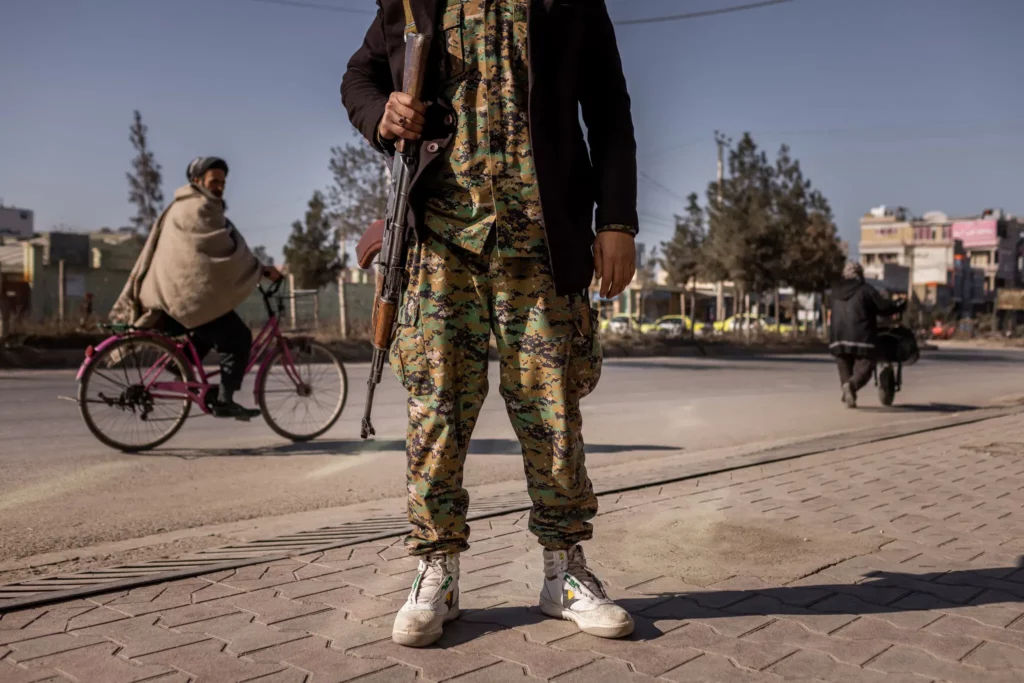
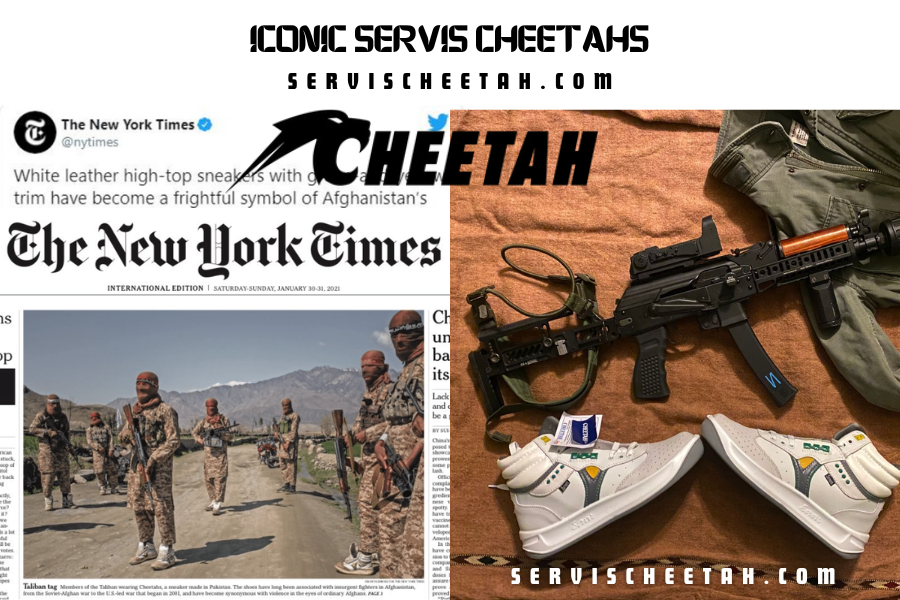
The sneakers gained international attention during the Soviet-Afghan war when Afghan fighters adopted them for their durability in harsh terrains. Over the decades, they have become a staple in conflict zones, particularly among Taliban fighters, further cementing their place in history.
Design and Technology
Nike SNKRS
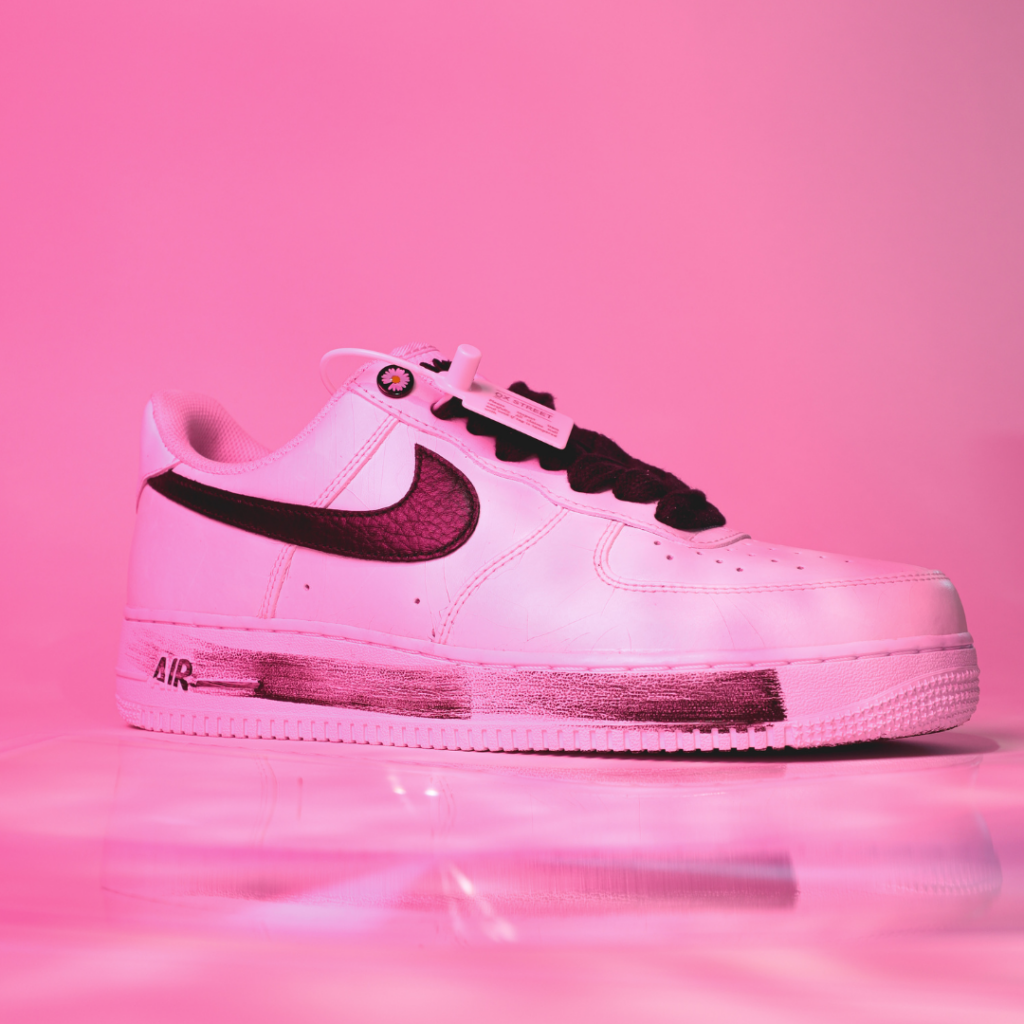
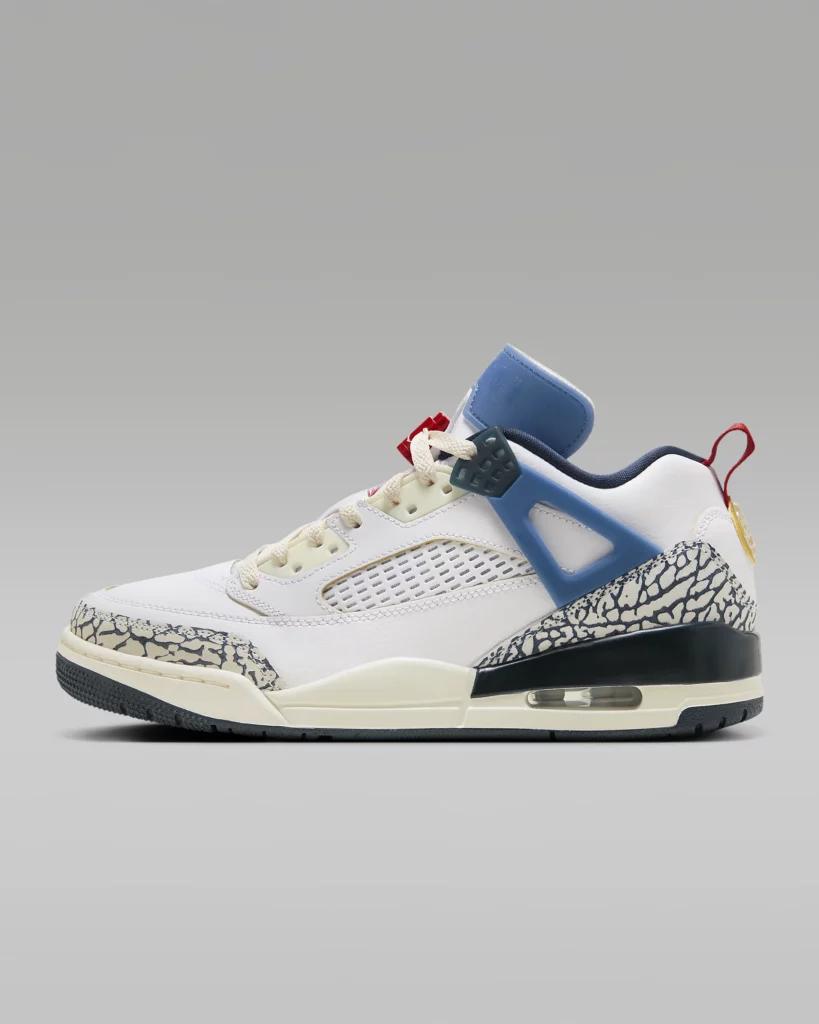
Nike SNKRS is synonymous with cutting-edge design and technology. The app itself is a marvel of modern digital marketing, offering features such as AR for “Try-On” experiences, push notifications for exclusive drops, and personalized recommendations based on user preferences.
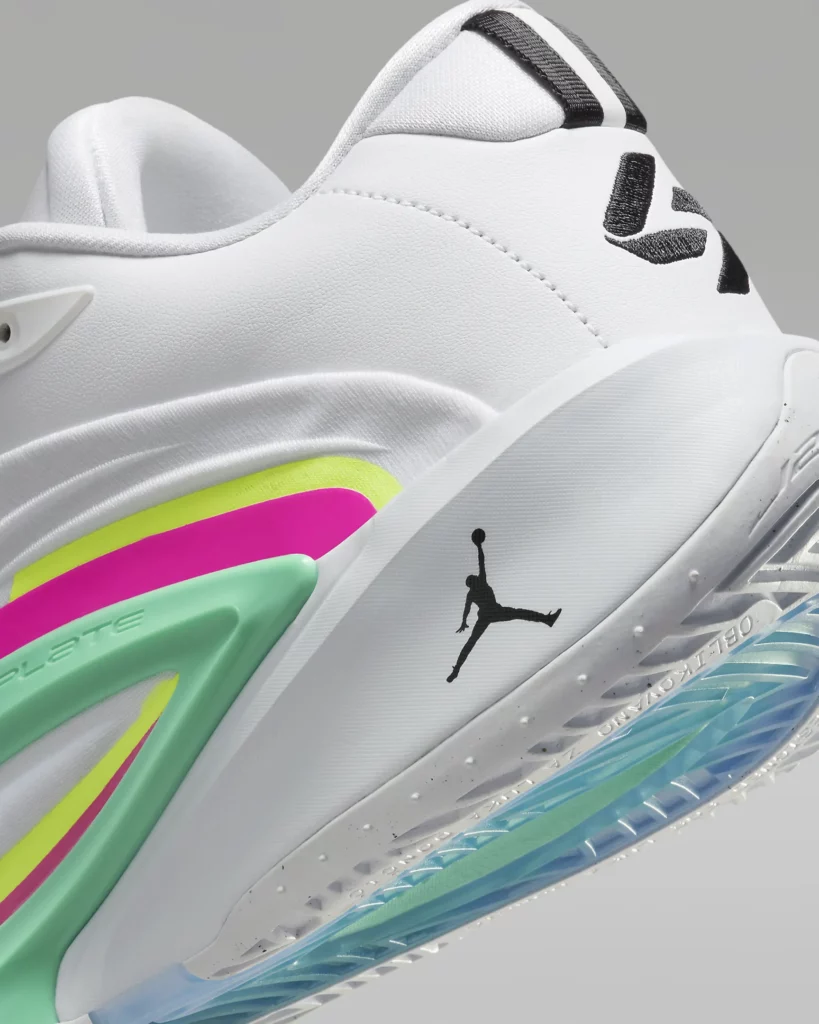
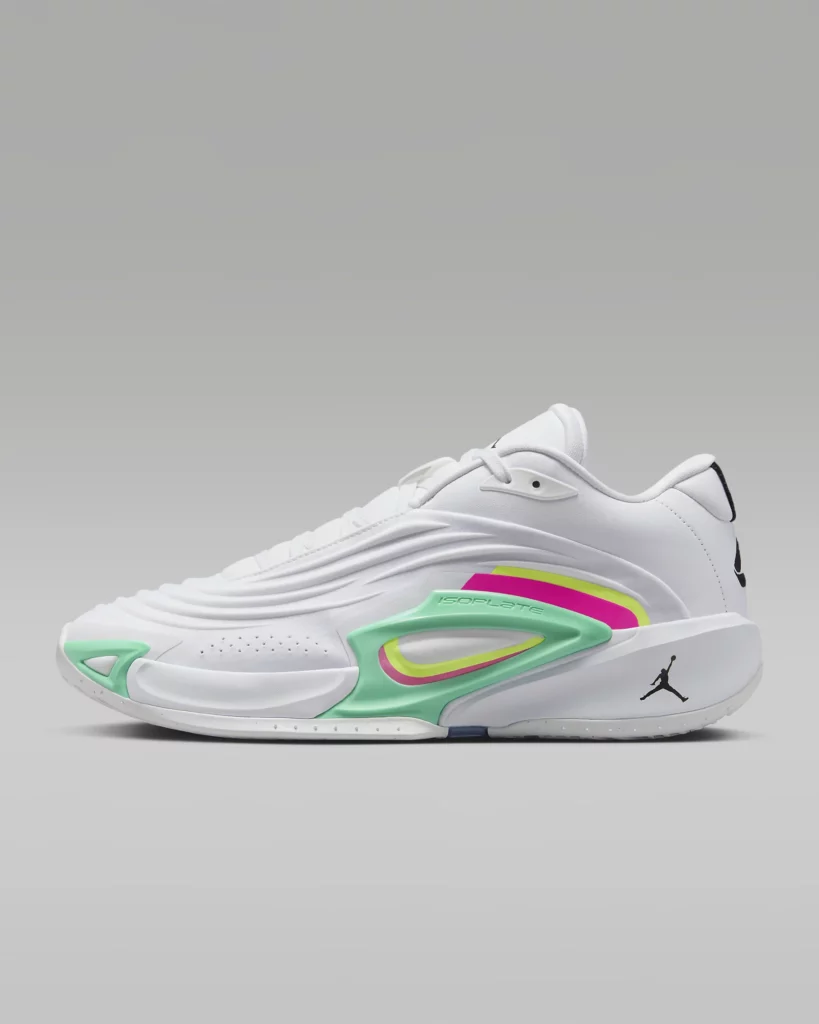
Nike sneakers, available through SNKRS, often feature advanced technologies like Flyknit, which provides a lightweight, breathable upper, and Air Max cushioning for superior comfort and impact protection. Collaborations with renowned designers and artists also result in unique, limited-edition designs that drive the hype and exclusivity of the SNKRS app.
Servis Cheetahs
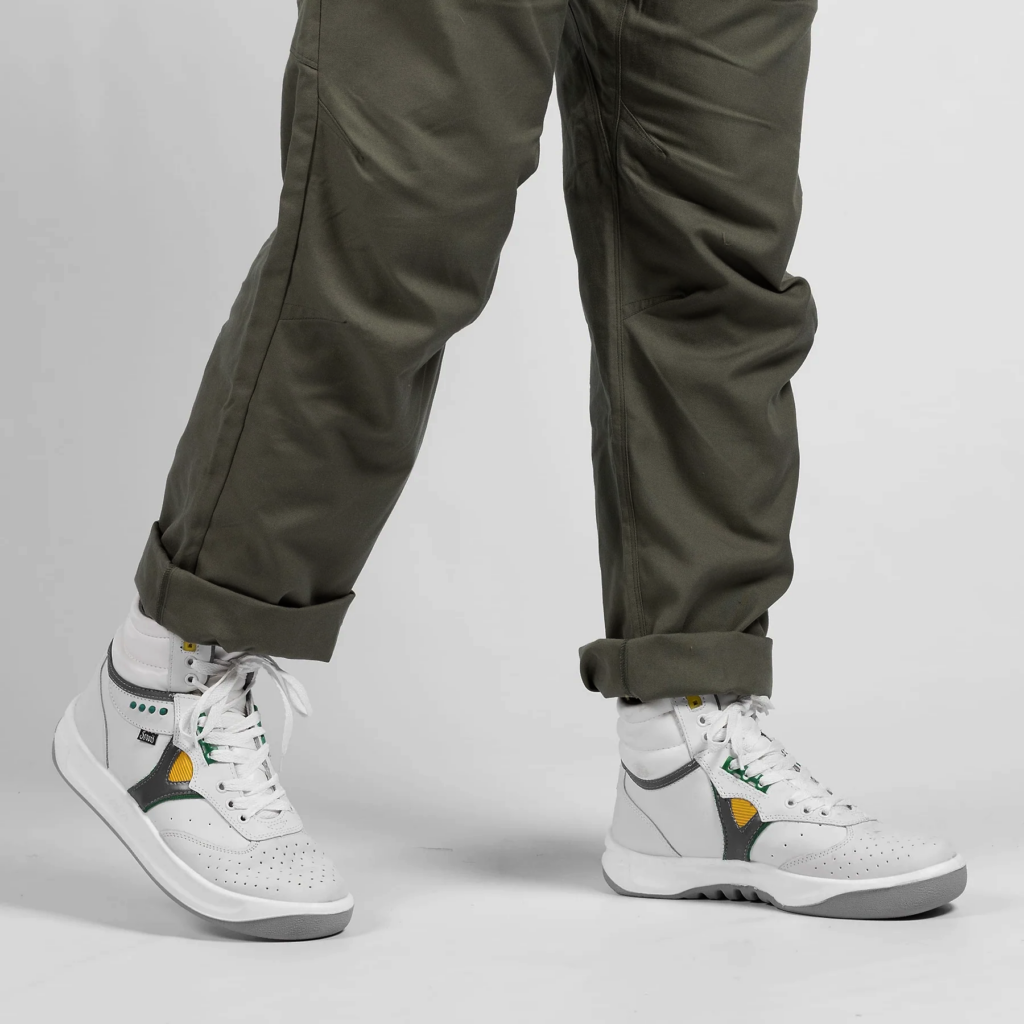
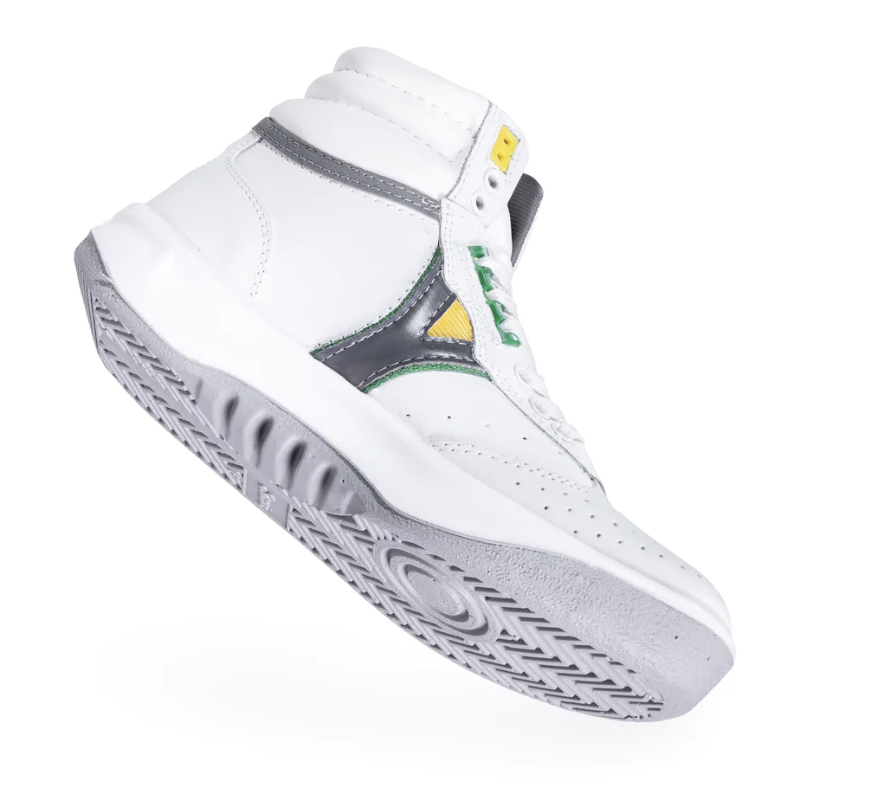
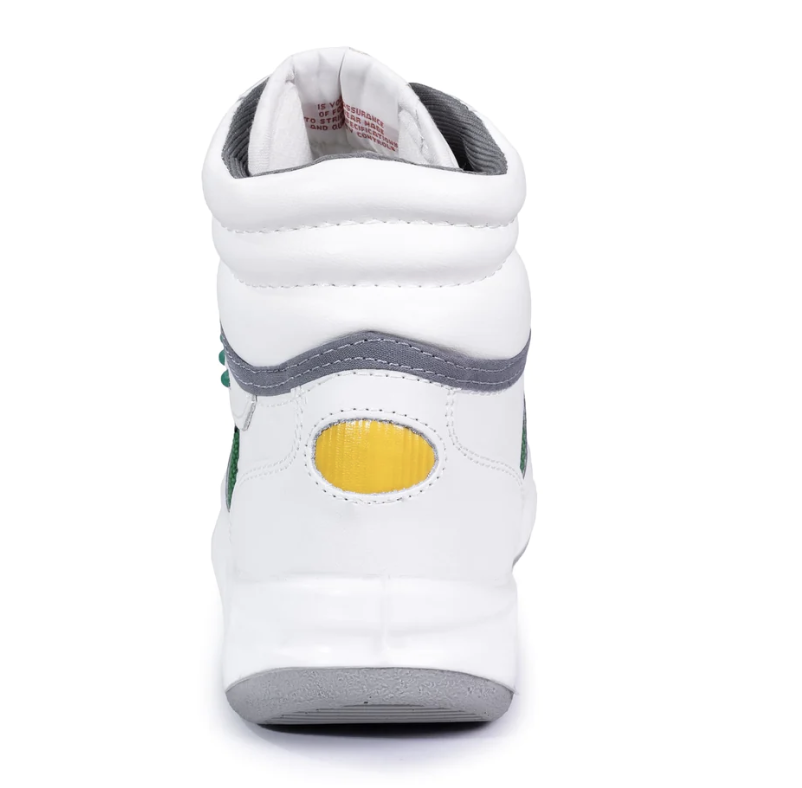
Servis Cheetahs prioritize practicality and durability over high-tech features. The sneakers are constructed with synthetic leather and mesh for breathability, combined with a robust rubber sole for traction and longevity. The high-top design offers additional ankle support, making them suitable for various terrains and physical activities.
While they lack the advanced technologies of Nike sneakers, Cheetahs are valued for their straightforward, rugged design that can withstand the rigors of everyday wear, especially in challenging environments.
Market Strategy and Target Audience
Nike SNKRS
Nike’s marketing strategy for the SNKRS app revolves around exclusivity, hype, and community engagement. The app targets sneaker enthusiasts, collectors, and fashion-conscious consumers who value limited-edition releases and exclusive content. Nike leverages social media, influencer partnerships, and high-profile collaborations to generate buzz and drive demand.
The global reach of Nike ensures that SNKRS has a vast and diverse user base, with dedicated followings in major markets such as the United States, Europe, and Asia. The app’s integration of interactive features and AR experiences further enhances its appeal to tech-savvy consumers.
Servis Cheetahs
Servis Shoes adopts a more traditional marketing approach, focusing on affordability, durability, and practicality. The primary consumer base for Cheetah sneakers includes lower to middle-income individuals in Pakistan and Afghanistan, as well as insurgent fighters who value the shoes for their robustness.
While the brand lacks the global reach of Nike, it has a strong presence in South Asia, where its reputation for producing reliable and cost-effective footwear resonates with the local population. The sneakers are often sold in local markets and bazaars, catering to a wide range of consumers from urban centers to rural areas.
Cultural Impact
Nike SNKRS
Nike SNKRS has had a profound impact on sports, fashion, and pop culture. The app’s exclusive releases and high-profile collaborations with artists, designers, and athletes have made it a cultural phenomenon. Sneakers released through SNKRS often become status symbols, with resellers and collectors driving secondary markets and inflating prices.
Nike’s influence extends beyond footwear, shaping trends in streetwear and lifestyle fashion. The brand’s campaigns often reflect social and cultural themes, further embedding Nike in the cultural zeitgeist. The SNKRS app, with its emphasis on storytelling and community, has strengthened Nike’s cultural relevance in the digital age.
Servis Cheetahs
Servis Cheetahs have a different but equally significant cultural impact. In South Asia, they are seen as reliable and affordable footwear suitable for everyday use. Their association with the Taliban, however, has given them a controversial and somewhat notorious reputation.
In conflict zones, Cheetahs have become symbols of resilience and practicality. Their widespread use by insurgents has also made them a point of recognition and sometimes dread among local populations. Despite this, the sneakers remain popular among civilians for their durability and affordability, highlighting their dual role in both daily life and conflict.
Economic Impact
Nike SNKRS
Nike’s SNKRS app is a key driver of the company’s economic success. The exclusivity and hype surrounding SNKRS releases generate significant revenue, with limited-edition drops often selling out within minutes. Nike’s ability to create and sustain demand for its products through SNKRS has solidified its market dominance.
The global sales of Nike sneakers contribute substantially to the company’s overall revenue, making it one of the most profitable sportswear brands in the world. The economic impact extends to secondary markets, where resellers profit from the high demand and limited supply of SNKRS releases.
Servis Cheetahs
Servis Shoes significantly impacts the local economies in Pakistan and Afghanistan. The production and sale of Cheetah sneakers provide employment and support local industries. The affordability of Cheetahs ensures that they remain accessible to a broad consumer base, contributing to the economic stability of the region.
While the economic impact of Servis Cheetahs is not as extensive as Nike’s, the brand plays a crucial role in the local markets it serves. The sneakers’ popularity among insurgents has also created a unique economic niche, with vendors catering to this specific demand.
Ethical Considerations and Controversies
Nike SNKRS
Nike has faced several ethical issues and controversies over the years, including labor practices in its factories, environmental impact, and marketing strategies. The company has taken steps to address these concerns through corporate social responsibility (CSR) initiatives, such as sustainable manufacturing practices and improving labor conditions.
The exclusivity of SNKRS releases has also raised ethical questions about accessibility and consumerism. The high demand and limited supply often lead to inflated resale prices, making it difficult for average consumers to afford the coveted sneakers.
Servis Cheetahs
The association of Servis Cheetahs with the Taliban presents a significant ethical dilemma. While the company does not market its products to insurgents, the widespread use of Cheetahs## Nike SNKRS vs. Servis Cheetahs: A Comprehensive Comparison
Introduction
Footwear plays a crucial role in our daily lives, transcending mere functionality to become a symbol of style, culture, and identity. Among the myriad of footwear brands, Nike SNKRS and Servis Cheetahs stand out for their distinct approaches and unique consumer bases. Nike, an iconic global brand, has revolutionized the sneaker industry with its SNKRS app, while Servis Cheetahs have become an unexpected yet significant player in conflict zones. This blog post delves into the rich histories, designs, market strategies, cultural impacts, and future prospects of these two contrasting yet fascinating footwear brands.
History and Evolution
Nike SNKRS
Nike, founded in 1964 by Bill Bowerman and Phil Knight, has grown into a global powerhouse in sportswear and fashion. The SNKRS app, launched in 2015, represents Nike’s foray into the digital age, providing sneaker enthusiasts with a seamless platform to access limited-edition releases, exclusive content, and community engagement.
Key milestones in Nike’s evolution include the introduction of the Air Max line in 1987, the launch of the iconic Air Jordan series, and the development of innovative technologies such as Flyknit and React foam. The SNKRS app itself has undergone significant updates, incorporating augmented reality (AR) features, live streaming, and interactive content to enhance user experience.
Servis Cheetahs
Servis Shoes, established in 1958 in Pakistan, has a long-standing reputation for producing durable and affordable footwear. The Cheetah line, introduced in the early 1980s, quickly gained popularity for its robustness and practicality. Originally designed as sports shoes, Cheetahs became widely used in everyday life due to their resilience and comfort.
The sneakers gained international attention during the Soviet-Afghan war when Afghan fighters adopted them for their durability in harsh terrains. Over the decades, they have become a staple in conflict zones, particularly among Taliban fighters, further cementing their place in history.
Design and Technology
Nike SNKRS
Nike SNKRS is synonymous with cutting-edge design and technology. The app itself is a marvel of modern digital marketing, offering features such as AR for “Try-On” experiences, push notifications for exclusive drops, and personalized recommendations based on user preferences.
Nike sneakers, available through SNKRS, often feature advanced technologies like Flyknit, which provides a lightweight, breathable upper, and Air Max cushioning for superior comfort and impact protection. Collaborations with renowned designers and artists also result in unique, limited-edition designs that drive the hype and exclusivity of the SNKRS app.
Servis Cheetahs
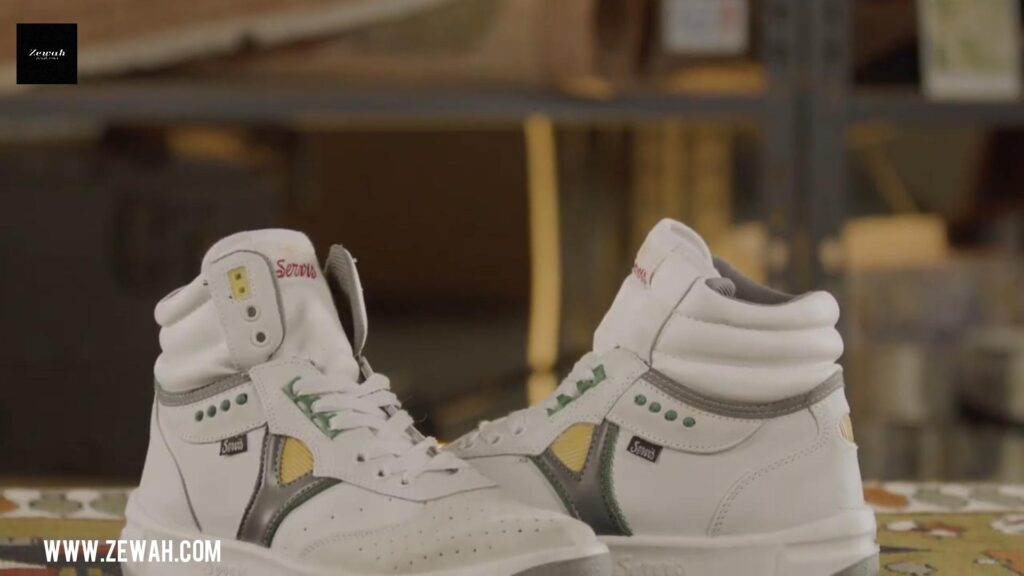
Servis Cheetahs prioritize practicality and durability over high-tech features. The sneakers are constructed with synthetic leather and mesh for breathability, combined with a robust rubber sole for traction and longevity. The high-top design offers additional ankle support, making them suitable for various terrains and physical activities.
While they lack the advanced technologies of Nike sneakers, Cheetahs are valued for their straightforward, rugged design that can withstand the rigors of everyday wear, especially in challenging environments.
Market Strategy and Target Audience
Nike SNKRS
Nike’s marketing strategy for the SNKRS app revolves around exclusivity, hype, and community engagement. The app targets sneaker enthusiasts, collectors, and fashion-conscious consumers who value limited-edition releases and exclusive content. Nike leverages social media, influencer partnerships, and high-profile collaborations to generate buzz and drive demand.
The global reach of Nike ensures that SNKRS has a vast and diverse user base, with dedicated followings in major markets such as the United States, Europe, and Asia. The app’s integration of interactive features and AR experiences further enhances its appeal to tech-savvy consumers.
Servis Cheetahs
Servis Shoes adopts a more traditional marketing approach, focusing on affordability, durability, and practicality. The primary consumer base for Cheetah sneakers includes lower to middle-income individuals in Pakistan and Afghanistan, as well as insurgent fighters who value the shoes for their robustness.
While the brand lacks the global reach of Nike, it has a strong presence in South Asia, where its reputation for producing reliable and cost-effective footwear resonates with the local population. The sneakers are often sold in local markets and bazaars, catering to a wide range of consumers from urban centers to rural areas.
Cultural Impact
Nike SNKRS
Nike SNKRS has had a profound impact on sports, fashion, and pop culture. The app’s exclusive releases and high-profile collaborations with artists, designers, and athletes have made it a cultural phenomenon. Sneakers released through SNKRS often become status symbols, with resellers and collectors driving secondary markets and inflating prices.
Nike’s influence extends beyond footwear, shaping trends in streetwear and lifestyle fashion. The brand’s campaigns often reflect social and cultural themes, further embedding Nike in the cultural zeitgeist. The SNKRS app, with its emphasis on storytelling and community, has strengthened Nike’s cultural relevance in the digital age.
Servis Cheetahs
Servis Cheetahs have a different but equally significant cultural impact. In South Asia, they are seen as reliable and affordable footwear suitable for everyday use. Their association with the Taliban, however, has given them a controversial and somewhat notorious reputation.
In conflict zones, Cheetahs have become symbols of resilience and practicality. Their widespread use by insurgents has also made them a point of recognition and sometimes dread among local populations. Despite this, the sneakers remain popular among civilians for their durability and affordability, highlighting their dual role in both daily life and conflict.
Economic Impact
Nike SNKRS
Nike’s SNKRS app is a key driver of the company’s economic success. The exclusivity and hype surrounding SNKRS releases generate significant revenue, with limited-edition drops often selling out within minutes. Nike’s ability to create and sustain demand for its products through SNKRS has solidified its market dominance.
The global sales of Nike sneakers contribute substantially to the company’s overall revenue, making it one of the most profitable sportswear brands in the world. The economic impact extends to secondary markets, where resellers profit from the high demand and limited supply of SNKRS releases.
Servis Cheetahs
Servis Shoes significantly impacts the local economies in Pakistan and Afghanistan. The production and sale of Cheetah sneakers provide employment and support local industries. The affordability of Cheetahs ensures that they remain accessible to a broad consumer base, contributing to the economic stability of the region.
While the economic impact of Servis Cheetahs is not as extensive as Nike’s, the brand plays a crucial role in the local markets it serves. The sneakers’ popularity among insurgents has also created a unique economic niche, with vendors catering to this specific demand.
Ethical Considerations and Controversies
Nike SNKRS
Nike has faced several ethical issues and controversies over the years, including labor practices in its factories, environmental impact, and marketing strategies. The company has taken steps to address these concerns through corporate social responsibility (CSR) initiatives, such as sustainable manufacturing practices and improving labor conditions.
The exclusivity of SNKRS releases has also raised ethical questions about accessibility and consumerism. The high demand and limited supply often lead to inflated resale prices, making it difficult for average consumers to afford the coveted sneakers.
Servis Cheetahs
The association of Servis Cheetahs with the Taliban presents a significant ethical dilemma. While the company does not market its products to insurgents, the widespread use of Cheetahs by the Taliban has led to unintended associations with violence and conflict. This has raised questions about the brand’s responsibility and potential actions to mitigate these associations.
Servis Shoes has not publicly addressed this issue in a significant way, which contrasts with Nike’s proactive approach to its controversies. The lack of corporate social responsibility initiatives related to this association has left the brand vulnerable to criticism.
Consumer Reviews and Feedback
Nike SNKRS
Nike SNKRS has garnered a loyal following among sneaker enthusiasts. Consumers appreciate the app’s user-friendly interface, exclusive releases, and the sense of community it fosters. However, some users have expressed frustration with the limited availability of high-demand sneakers and the challenges of securing purchases due to high competition and bots.
Overall, Nike SNKRS receives positive feedback for its innovation and ability to connect with sneaker culture, despite occasional criticisms regarding accessibility and resale market issues.
Servis Cheetahs
Servis Cheetahs are well-regarded for their durability, affordability, and practicality. Consumers in Pakistan and Afghanistan often praise the sneakers for their reliability in various conditions. However, the association with the Taliban has tainted their reputation for some, leading to mixed feelings about the brand.
Despite the controversy, the sneakers remain popular among civilians who value their robustness and cost-effectiveness. The feedback highlights the dichotomy between their practical benefits and their contentious cultural symbolism.
Future Prospects
Nike SNKRS
Nike SNKRS is poised for continued success, driven by innovation, strategic collaborations, and a strong community presence. The app is expected to expand its features, incorporating more interactive elements and enhancing user experience. Nike’s commitment to sustainability and social responsibility will likely shape its future releases and market strategies.
The growing trend of sneaker culture and the increasing demand for exclusive releases will sustain the hype and economic viability of SNKRS. As Nike navigates ethical challenges and market dynamics, its ability to adapt and innovate will determine its long-term success.
Servis Cheetahs
The future of Servis Cheetahs is less predictable due to their complex cultural associations. While they will likely remain popular in South Asia for their practicality and affordability, the brand may need to address its controversial reputation to expand its market reach.
Servis Shoes could benefit from implementing corporate social responsibility initiatives and addressing the ethical concerns surrounding their products. By doing so, they can improve their brand image and potentially explore new markets beyond their current consumer base## Nike SNKRS vs. Servis Cheetahs: A Comprehensive Comparison
Introduction
Footwear is more than just a necessity; it’s a statement of style, culture, and sometimes even a symbol of identity. Nike SNKRS and Servis Cheetahs represent two distinct ends of the footwear spectrum. Nike, a global icon, has revolutionized the sneaker industry with its innovative SNKRS app, while Servis Cheetahs have garnered attention for their practicality and unexpected cultural significance in conflict zones. This blog post delves into the rich histories, designs, market strategies, cultural impacts, and future prospects of these two contrasting yet intriguing footwear brands.
History and Evolution
Nike SNKRS
Nike was founded in 1964 by Bill Bowerman and Phil Knight, initially operating as Blue Ribbon Sports before adopting the name Nike in 1971. Nike’s rise to global dominance in the sportswear market is marked by significant milestones, such as the introduction of the Air Max line in 1987, the launch of the Air Jordan series, and the development of revolutionary technologies like Flyknit and React foam.
The SNKRS app, launched in 2015, represents Nike’s response to the digital age, offering a platform for sneaker enthusiasts to access limited-edition releases, exclusive content, and community engagement. The app has undergone various updates, incorporating features like augmented reality (AR) for virtual “Try-On” experiences, push notifications for exclusive drops, and personalized recommendations based on user preferences. This blend of technology and exclusivity has made the SNKRS app a pivotal tool in Nike’s marketing strategy.
Servis Cheetahs
Servis Shoes, established in 1958 in Pakistan, has built a reputation for producing durable and affordable footwear. The Cheetah line, introduced in the early 1980s, was initially designed as sports shoes but quickly gained popularity for everyday use due to their resilience and comfort. The sneakers became internationally known during the Soviet-Afghan war, when Afghan fighters adopted them for their durability in harsh terrains. Over the decades, Cheetahs have become a staple in conflict zones, particularly among Taliban fighters, adding a layer of cultural and historical significance to the brand.
Design and Technology
Nike SNKRS
Nike SNKRS is synonymous with cutting-edge design and technology. The app itself is a marvel of modern digital marketing, offering features like AR for virtual “Try-On” experiences, push notifications for exclusive drops, and personalized recommendations based on user preferences. Nike sneakers available through SNKRS often feature advanced technologies like Flyknit, which provides a lightweight, breathable upper, and Air Max cushioning for superior comfort and impact protection. Collaborations with renowned designers and artists also result in unique, limited-edition designs that drive the hype and exclusivity of the SNKRS app.
Servis Cheetahs
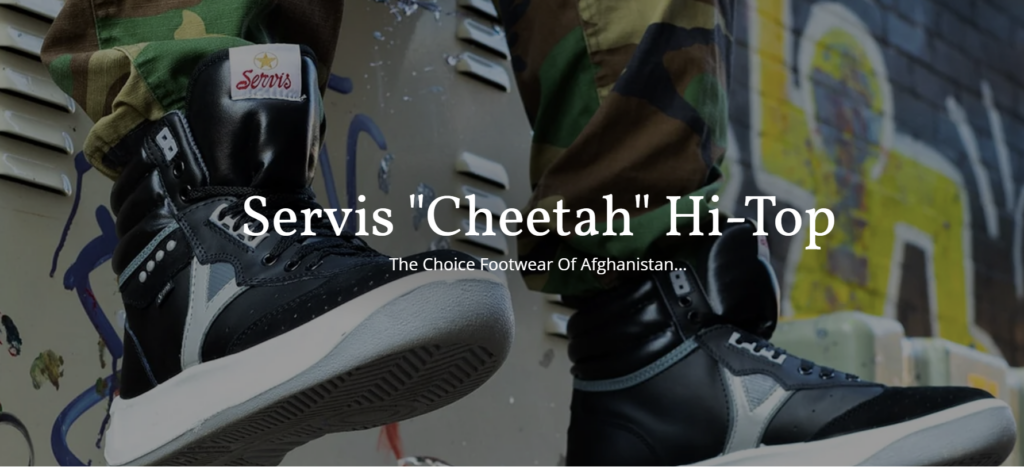
Servis Cheetahs prioritize practicality and durability over high-tech features. The sneakers are constructed with synthetic leather and mesh for breathability, combined with a robust rubber sole for traction and longevity. The high-top design offers additional ankle support, making them suitable for various terrains and physical activities. While they lack the advanced technologies of Nike sneakers, Cheetahs are valued for their straightforward, rugged design that can withstand the rigors of everyday wear, especially in challenging environments.
Market Strategy and Target Audience
Nike SNKRS
Nike’s marketing strategy for the SNKRS app revolves around exclusivity, hype, and community engagement. The app targets sneaker enthusiasts, collectors, and fashion-conscious consumers who value limited-edition releases and exclusive content. Nike leverages social media, influencer partnerships, and high-profile collaborations to generate buzz and drive demand. The global reach of Nike ensures that SNKRS has a vast and diverse user base, with dedicated followings in major markets such as the United States, Europe, and Asia. The app’s integration of interactive features and AR experiences further enhances its appeal to tech-savvy consumers.
Servis Cheetahs
Servis Shoes adopts a more traditional marketing approach, focusing on affordability, durability, and practicality. The primary consumer base for Cheetah sneakers includes lower to middle-income individuals in Pakistan and Afghanistan, as well as insurgent fighters who value the shoes for their robustness. While the brand lacks the global reach of Nike, it has a strong presence in South Asia, where its reputation for producing reliable and cost-effective footwear resonates with the local population. The sneakers are often sold in local markets and bazaars, catering to a wide range of consumers from urban centers to rural areas.
Cultural Impact
Nike SNKRS
Nike SNKRS has had a profound impact on sports, fashion, and pop culture. The app’s exclusive releases and high-profile collaborations with artists, designers, and athletes have made it a cultural phenomenon. Sneakers released through SNKRS often become status symbols, with resellers and collectors driving secondary markets and inflating prices. Nike’s influence extends beyond footwear, shaping trends in streetwear and lifestyle fashion. The brand’s campaigns often reflect social and cultural themes, further embedding Nike in the cultural zeitgeist. The SNKRS app, with its emphasis on storytelling and community, has strengthened Nike’s cultural relevance in the digital age.
Servis Cheetahs
Servis Cheetahs have a different but equally significant cultural impact. In South Asia, they are seen as reliable and affordable footwear suitable for everyday use. Their association with the Taliban, however, has given them a controversial and somewhat notorious reputation. In conflict zones, Cheetahs have become symbols of resilience and practicality. Their widespread use by insurgents has also made them a point of recognition and sometimes dread among local populations. Despite this, the sneakers remain popular among civilians for their durability and affordability, highlighting their dual role in both daily life and conflict.
Economic Impact
Nike SNKRS
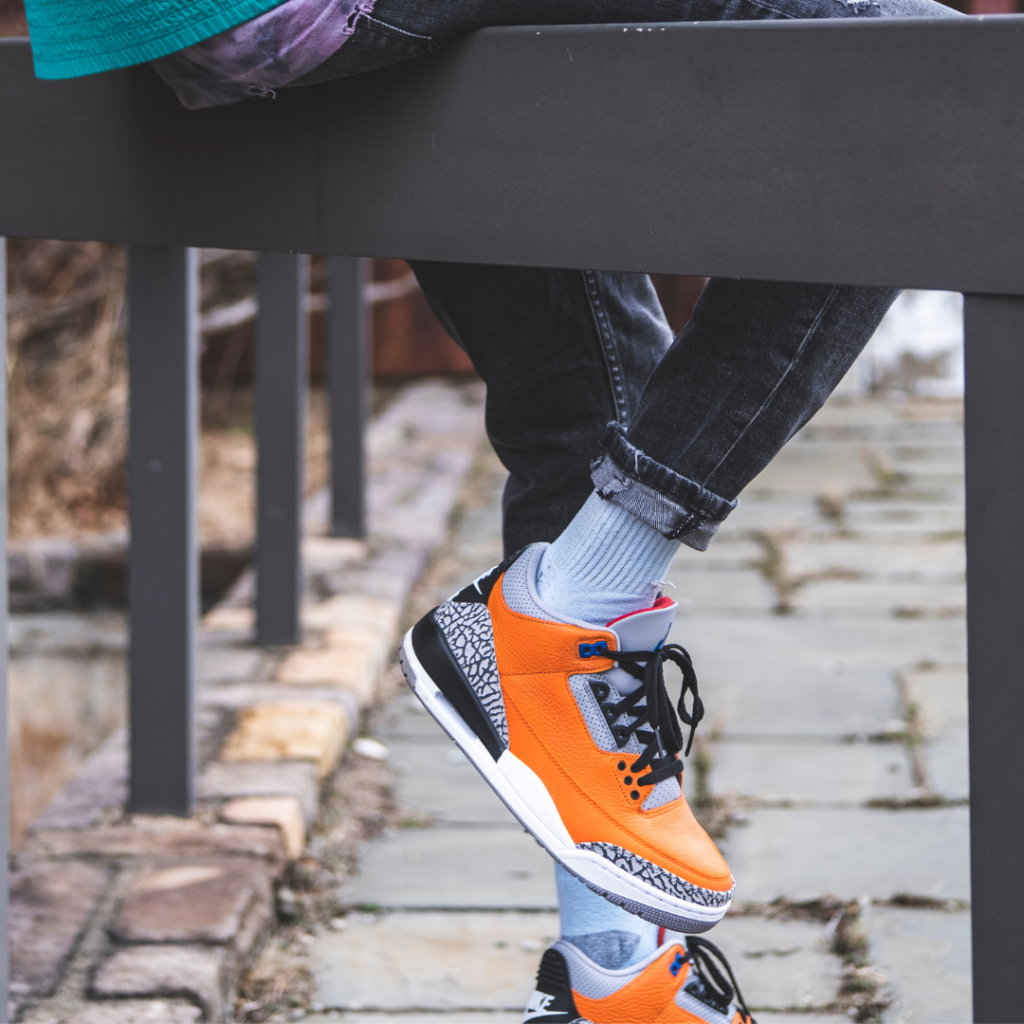
Nike’s SNKRS app is a key driver of the company’s economic success. The exclusivity and hype surrounding SNKRS releases generate significant revenue, with limited-edition drops often selling out within minutes. Nike’s ability to create and sustain demand for its products through SNKRS has solidified its market dominance. The global sales of Nike sneakers contribute substantially to the company’s overall revenue, making it one of the most profitable sportswear brands in the world. The economic impact extends to secondary markets, where resellers profit from the high demand and limited supply of SNKRS releases.
Servis Cheetahs
Servis Shoes significantly impacts the local economies in Pakistan and Afghanistan. The production and sale of Cheetah sneakers provide employment and support local industries. The affordability of Cheetahs ensures that they remain accessible to a broad consumer base, contributing to the economic stability of the region. While the economic impact of Servis Cheetahs is not as extensive as Nike’s, the brand plays a crucial role in the local markets it serves. The sneakers’ popularity among insurgents has also created a unique economic niche, with vendors catering to this specific demand.
Ethical Considerations and Controversies
Nike SNKRS
Nike has faced several ethical issues and controversies over the years, including labor practices in its factories, environmental impact, and marketing strategies. The company has taken steps to address these concerns through corporate social responsibility (CSR) initiatives, such as sustainable manufacturing practices and improving labor conditions. The exclusivity of SNKRS releases has also raised ethical questions about accessibility and consumerism. The high demand and limited supply often lead to inflated resale prices, making it difficult for average consumers to afford the coveted sneakers.
Servis Cheetahs
The association of Servis Cheetahs with the Taliban presents a significant ethical dilemma. While the company does not market its products to insurgents, the widespread use of Cheetahs by the Taliban has led to unintended associations with violence and conflict. This has raised questions about the brand’s responsibility and potential actions to mitigate these associations. Servis Shoes has not publicly addressed this issue in a significant way, which contrasts with Nike’s proactive approach to its controversies. The lack of corporate social responsibility initiatives related to this association has left the brand vulnerable to criticism.
Consumer Reviews and Feedback
Nike SNKRS
Nike SNKRS has garnered a loyal following among sneaker enthusiasts. Consumers appreciate the app’s user-friendly interface, exclusive releases, and the sense of community it fosters. However, some users have expressed frustration with the limited availability of high-demand sneakers and the challenges of securing purchases due to high competition and bots. Overall, Nike SNKRS receives positive feedback for its innovation and ability to connect with sneaker culture, despite occasional criticisms regarding accessibility and resale market issues.
Servis Cheetahs
Servis Cheetahs are well-regarded for their durability, affordability, and practicality. Consumers in Pakistan and Afghanistan often praise the sneakers for their reliability in various conditions. However, the association with the Taliban has tainted their reputation for some, leading to mixed feelings about the brand. Despite the controversy, the sneakers remain popular among civilians who value their robustness and cost-effectiveness. The feedback highlights the dichotomy between their practical benefits and their contentious cultural symbolism.
Future Prospects
Nike SNKRS
Nike SNKRS is poised for continued success, driven by innovation, strategic collaborations, and a strong community presence. The app is expected to expand its features, incorporating more interactive elements and enhancing user experience. Nike’s commitment to sustainability and social responsibility will likely shape its future releases and market strategies. The growing trend of sneaker culture and the increasing demand for exclusive releases will sustain the hype and economic viability of SNKRS. As Nike navigates ethical challenges and market dynamics, its ability to adapt and innovate will determine its long-term success.
Servis Cheetahs
The future of Servis Cheetahs is less predictable due to their complex cultural associations. While they will likely remain popular in South Asia for their practicality and affordability, the brand may need to address its controversial reputation to expand its market reach. Servis Shoes could benefit from implementing corporate social responsibility initiatives and### Introduction
Footwear transcends mere functionality, becoming a statement of style, culture, and identity. Among the myriad of footwear brands, Nike SNKRS and Servis Cheetahs stand out for their distinct approaches and unique consumer bases. Nike, an iconic global brand, has revolutionized the sneaker industry with its SNKRS app, while Servis Cheetahs have become an unexpected yet significant player in conflict zones. This blog post delves into the rich histories, designs, market strategies, cultural impacts, and future prospects of these two contrasting yet fascinating footwear brands.
History and Evolution
Nike SNKRS
Nike, founded in 1964 by Bill Bowerman and Phil Knight, has grown into a global powerhouse in sportswear and fashion. The SNKRS app, launched in 2015, represents Nike’s foray into the digital age, providing sneaker enthusiasts with a seamless platform to access limited-edition releases, exclusive content, and community engagement.
Key milestones in Nike’s evolution include the introduction of the Air Max line in 1987, the launch of the iconic Air Jordan series, and the development of innovative technologies such as Flyknit and React foam. The SNKRS app itself has undergone significant updates, incorporating augmented reality (AR) features, live streaming, and interactive content to enhance user experience.
Servis Cheetahs
Servis Shoes, established in 1958 in Pakistan, has a long-standing reputation for producing durable and affordable footwear. The Cheetah line, introduced in the early 1980s, quickly gained popularity for its robustness and practicality. Originally designed as sports shoes, Cheetahs became widely used in everyday life due to their resilience and comfort.
The sneakers gained international attention during the Soviet-Afghan war when Afghan fighters adopted them for their durability in harsh terrains. Over the decades, they have become a staple in conflict zones, particularly among Taliban fighters, further cementing their place in history.
Design and Technology
Nike SNKRS
Nike SNKRS is synonymous with cutting-edge design and technology. The app itself is a marvel of modern digital marketing, offering features such as AR for “Try-On” experiences, push notifications for exclusive drops, and personalized recommendations based on user preferences.
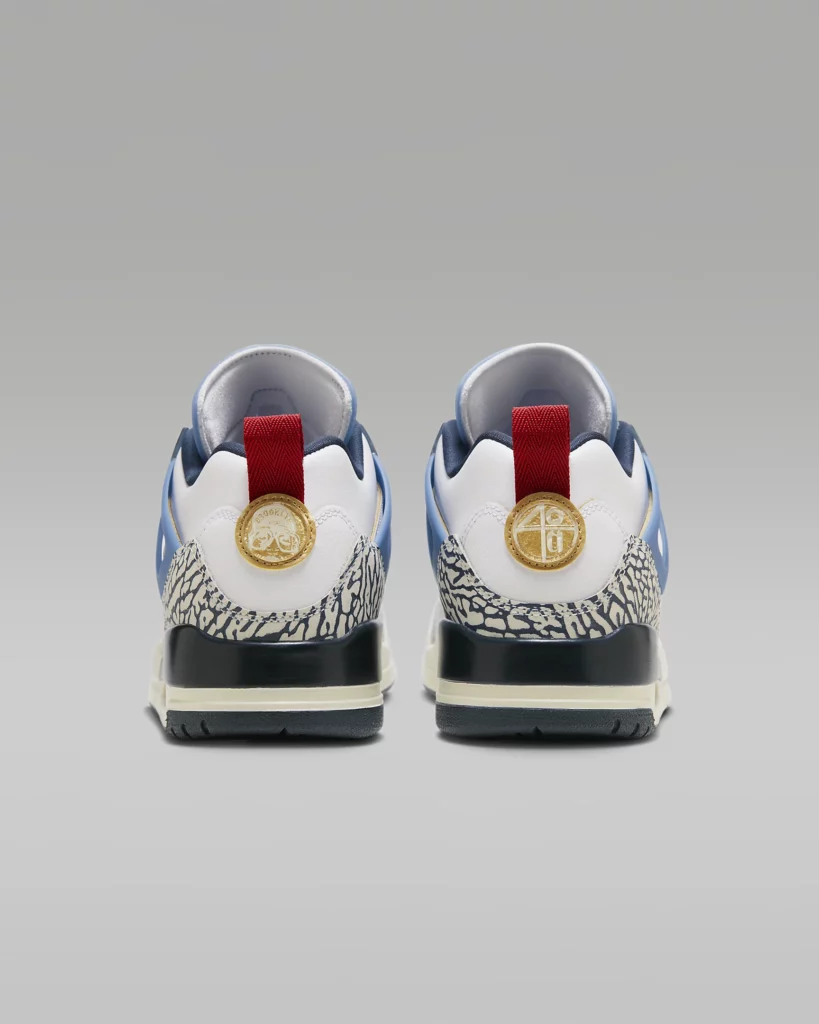
Nike sneakers, available through SNKRS, often feature advanced technologies like Flyknit, which provides a lightweight, breathable upper, and Air Max cushioning for superior comfort and impact protection. Collaborations with renowned designers and artists also result in unique, limited-edition designs that drive the hype and exclusivity of the SNKRS app.
Servis Cheetahs
Servis Cheetahs prioritize practicality and durability over high-tech features. The sneakers are constructed with synthetic leather and mesh for breathability, combined with a robust rubber sole for traction and longevity. The high-top design offers additional ankle support, making them suitable for various terrains and physical activities.
While they lack the advanced technologies of Nike sneakers, Cheetahs are valued for their straightforward, rugged design that can withstand the rigors of everyday wear, especially in challenging environments.
Market Strategy and Target Audience
Nike SNKRS
Nike’s marketing strategy for the SNKRS app revolves around exclusivity, hype, and community engagement. The app targets sneaker enthusiasts, collectors, and fashion-conscious consumers who value limited-edition releases and exclusive content. Nike leverages social media, influencer partnerships, and high-profile collaborations to generate buzz and drive demand.
The global reach of Nike ensures that SNKRS has a vast and diverse user base, with dedicated followings in major markets such as the United States, Europe, and Asia. The app’s integration of interactive features and AR experiences further enhances its appeal to tech-savvy consumers.
Servis Cheetahs
Servis Shoes adopts a more traditional marketing approach, focusing on affordability, durability, and practicality. The primary consumer base for Cheetah sneakers includes lower to middle-income individuals in Pakistan and Afghanistan, as well as insurgent fighters who value the shoes for their robustness.
While the brand lacks the global reach of Nike, it has a strong presence in South Asia, where its reputation for producing reliable and cost-effective footwear resonates with the local population. The sneakers are often sold in local markets and bazaars, catering to a wide range of consumers from urban centers to rural areas.
Cultural Impact
Nike SNKRS
Nike SNKRS has had a profound impact on sports, fashion, and pop culture. The app’s exclusive releases and high-profile collaborations with artists, designers, and athletes have made it a cultural phenomenon. Sneakers released through SNKRS often become status symbols, with resellers and collectors driving secondary markets and inflating prices.
Nike’s influence extends beyond footwear, shaping trends in streetwear and lifestyle fashion. The brand’s campaigns often reflect social and cultural themes, further embedding Nike in the cultural zeitgeist. The SNKRS app, with its emphasis on storytelling and community, has strengthened Nike’s cultural relevance in the digital age.
Servis Cheetahs
Servis Cheetahs have a different but equally significant cultural impact. In South Asia, they are seen as reliable and affordable footwear suitable for everyday use. Their association with the Taliban, however, has given them a controversial and somewhat notorious reputation.
In conflict zones, Cheetahs have become symbols of resilience and practicality. Their widespread use by insurgents has also made them a point of recognition and sometimes dread among local populations. Despite this, the sneakers remain popular among civilians for their durability and affordability, highlighting their dual role in both daily life and conflict.
Economic Impact
Nike SNKRS
Nike’s SNKRS app is a key driver of the company’s economic success. The exclusivity and hype surrounding SNKRS releases generate significant revenue, with limited-edition drops often selling out within minutes. Nike’s ability to create and sustain demand for its products through SNKRS has solidified its market dominance.
The global sales of Nike sneakers contribute substantially to the company’s overall revenue, making it one of the most profitable sportswear brands in the world. The economic impact extends to secondary markets, where resellers profit from the high demand and limited supply of SNKRS releases.
Servis Cheetahs
Servis Shoes significantly impacts the local economies in Pakistan and Afghanistan. The production and sale of Cheetah sneakers provide employment and support local industries. The affordability of Cheetahs ensures that they remain accessible to a broad consumer base, contributing to the economic stability of the region.
While the economic impact of Servis Cheetahs is not as extensive as Nike’s, the brand plays a crucial role in the local markets it serves. The sneakers’ popularity among insurgents has also created a unique economic niche, with vendors catering to this specific demand.

Ethical Considerations and Controversies
Nike SNKRS
Nike has faced several ethical issues and controversies over the years, including labor practices in its factories, environmental impact, and marketing strategies. The company has taken steps to address these concerns through corporate social responsibility (CSR) initiatives, such as sustainable manufacturing practices and improving labor conditions.
The exclusivity of SNKRS releases has also raised ethical questions about accessibility and consumerism. The high demand and limited supply often lead to inflated resale prices, making it difficult for average consumers to afford the coveted sneakers.
Servis Cheetahs
The association of Servis Cheetahs with the Taliban presents a significant ethical dilemma. While the company does not market its products to insurgents, the widespread use of Cheetahs by the Taliban has led to unintended associations with violence and conflict. This has raised questions about the brand’s responsibility and potential actions to mitigate these associations.
Servis Shoes has not publicly addressed this issue in a significant way, which contrasts with Nike’s proactive approach to its controversies. The lack of corporate social responsibility initiatives related to this association has left the brand vulnerable to criticism.
Consumer Reviews and Feedback
Nike SNKRS
Nike SNKRS has garnered a loyal following among sneaker enthusiasts. Consumers appreciate the app’s user-friendly interface, exclusive releases, and the sense of community it fosters. However, some users have expressed frustration with the limited availability of high-demand sneakers and the challenges of securing purchases due to high competition and bots.
Overall, Nike SNKRS receives positive feedback for its innovation and ability to connect with sneaker culture, despite occasional criticisms regarding accessibility and resale market issues.
Servis Cheetahs
Servis Cheetahs are well-regarded for their durability, affordability, and practicality. Consumers in Pakistan and Afghanistan often praise the sneakers for their reliability in various conditions. However, the association with the Taliban has tainted their reputation for some, leading to mixed feelings about the brand.
Despite the controversy, the sneakers remain popular among civilians who value their robustness and cost-effectiveness. The feedback highlights the dichotomy between their practical benefits and their contentious cultural symbolism.
Future Prospects
Nike SNKRS
Nike SNKRS is poised for continued success, driven by innovation, strategic collaborations, and a strong community presence. The app is expected to expand its features, incorporating more interactive elements and enhancing user experience. Nike’s commitment to sustainability and social responsibility will likely shape its future releases and market strategies.
The growing trend of sneaker culture and the increasing demand for exclusive releases will sustain the hype and economic viability of SNKRS. As Nike navigates ethical challenges and market dynamics, its ability to adapt and innovate will determine its long-term success.
Servis Cheetahs
The future of Servis Cheetahs is less predictable due to their complex cultural associations. While they will likely remain popular in South Asia for their practicality and affordability, the brand may need to address its controversial reputation to expand its market reach.
Servis Shoes could benefit from implementing corporate social responsibility initiatives and addressing the ethical concerns surrounding their products. By doing so, they can improve their brand image and potentially explore new markets beyond their current consumer base.
