
Introduction
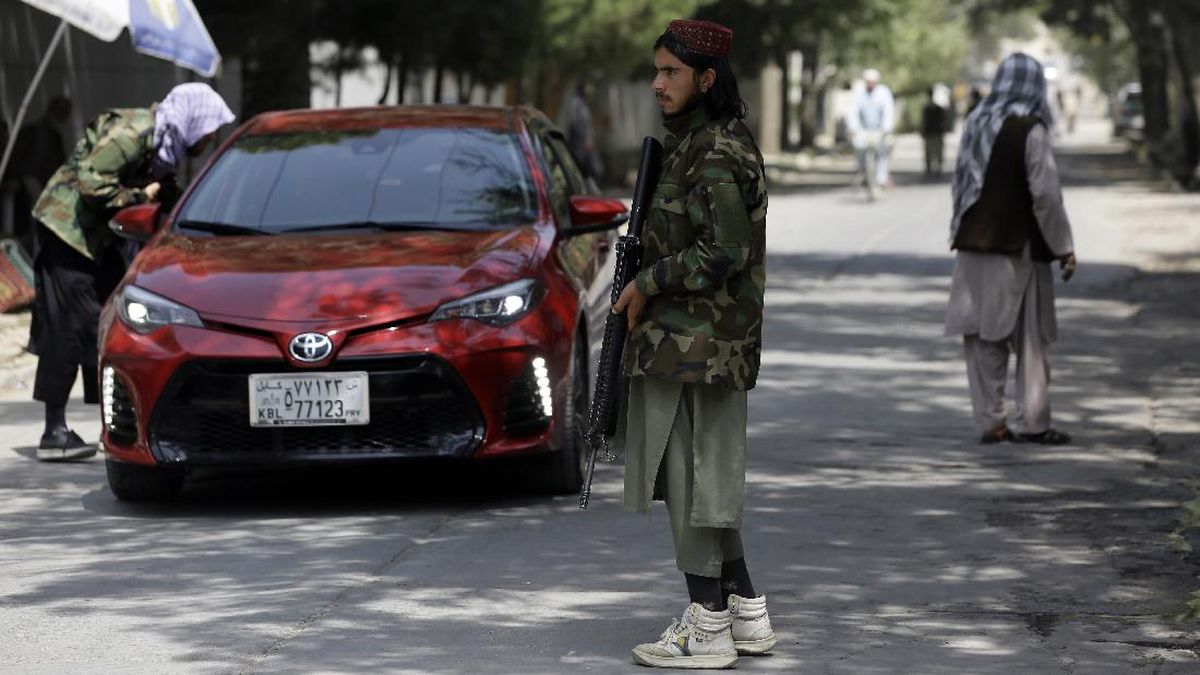
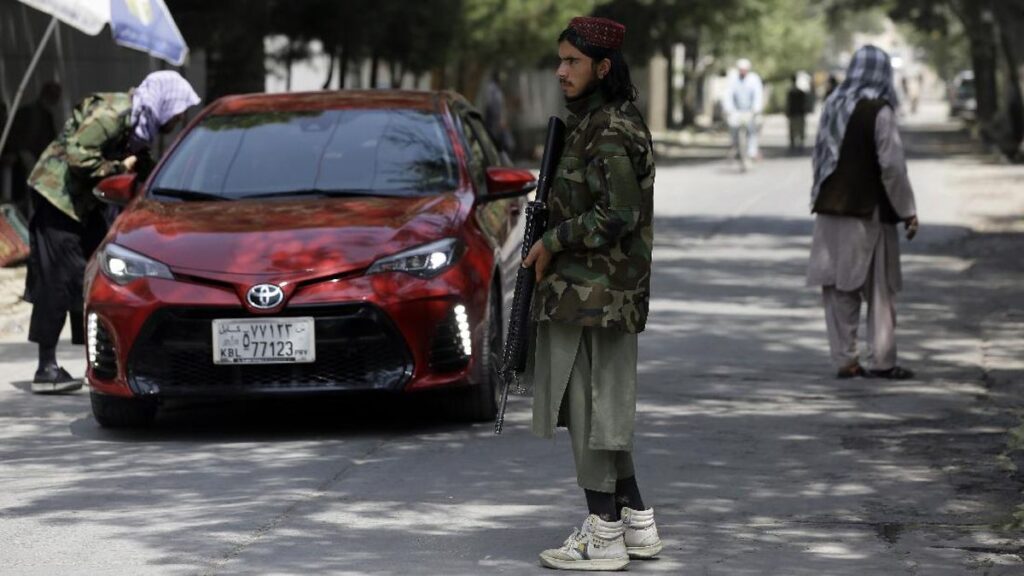
Cheetah Sneakers Taliban: In the often unpredictable realm of global conflicts, seemingly mundane objects can take on symbolic and practical significance. One such example is the surprising association between Servis Cheetah sneakers Taliban. These durable, affordable sneakers, manufactured by the Pakistani company Servis Shoes, have gained unexpected prominence as the preferred footwear of Taliban fighters. This blog post delves into the history of Servis Cheetah sneakers, their cultural and practical significance, and the broader economic and ethical implications of their association with the Taliban.
History of Servis Cheetah Sneakers
Origins and Development
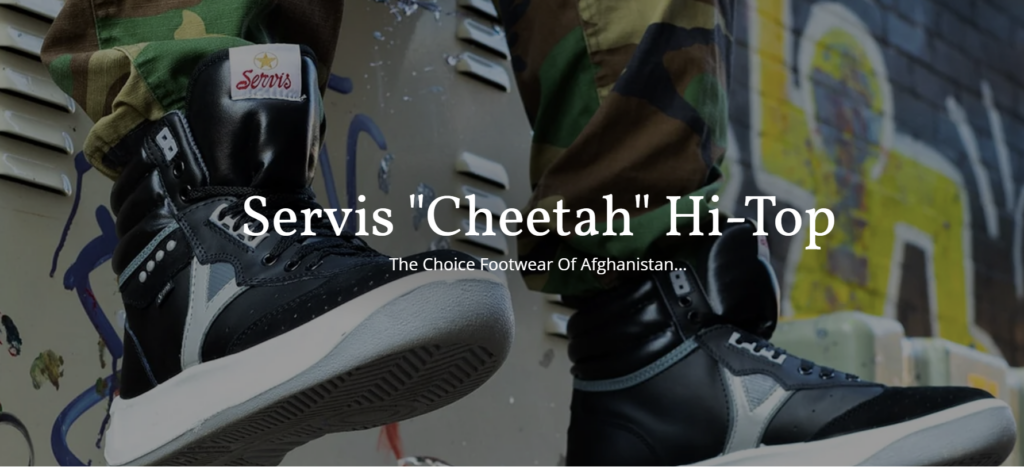
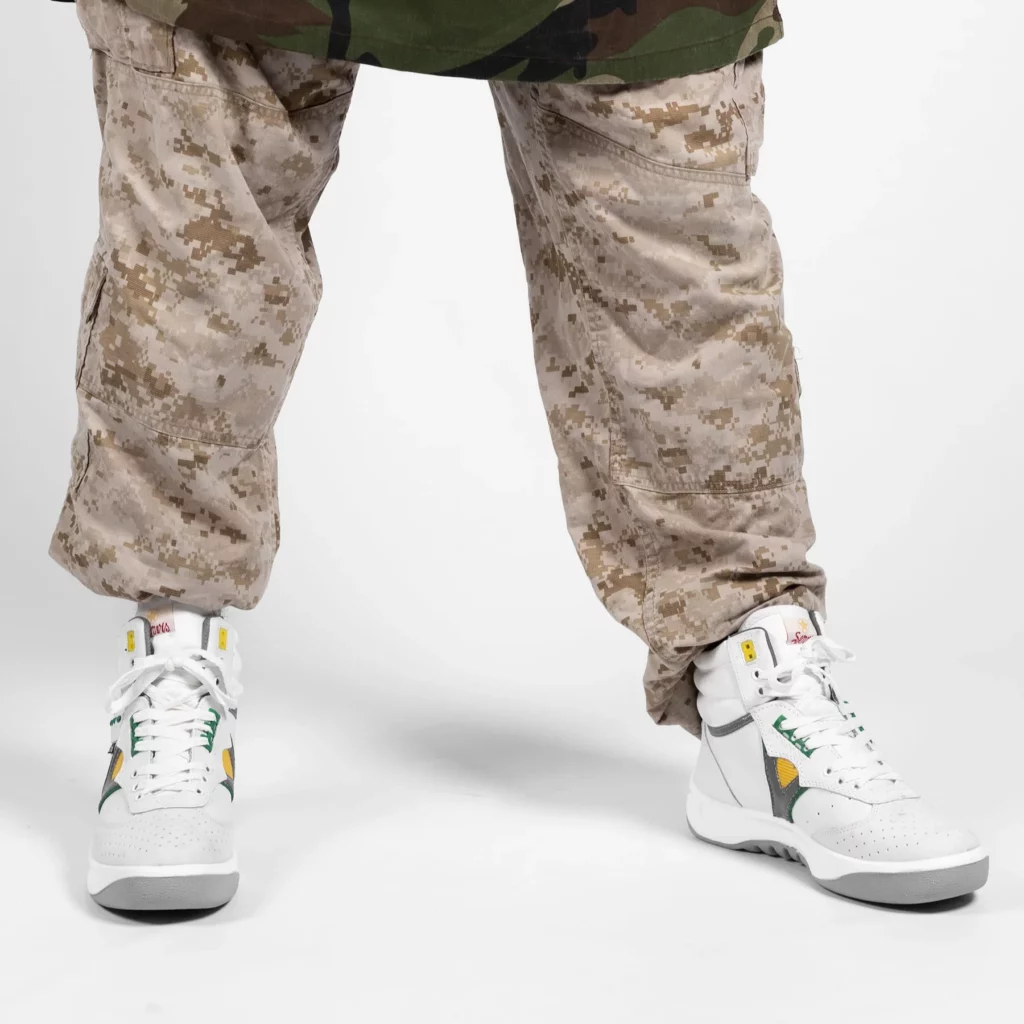
Servis Shoes was founded in 1959 in Gujrat, Pakistan, with the aim of providing quality footwear to the masses. Over the decades, the company has grown into one of Pakistan’s leading footwear brands, known for its affordable and durable products. The Cheetah model, introduced in the 1980s, was initially designed as a sports shoe but quickly gained popularity for everyday wear.
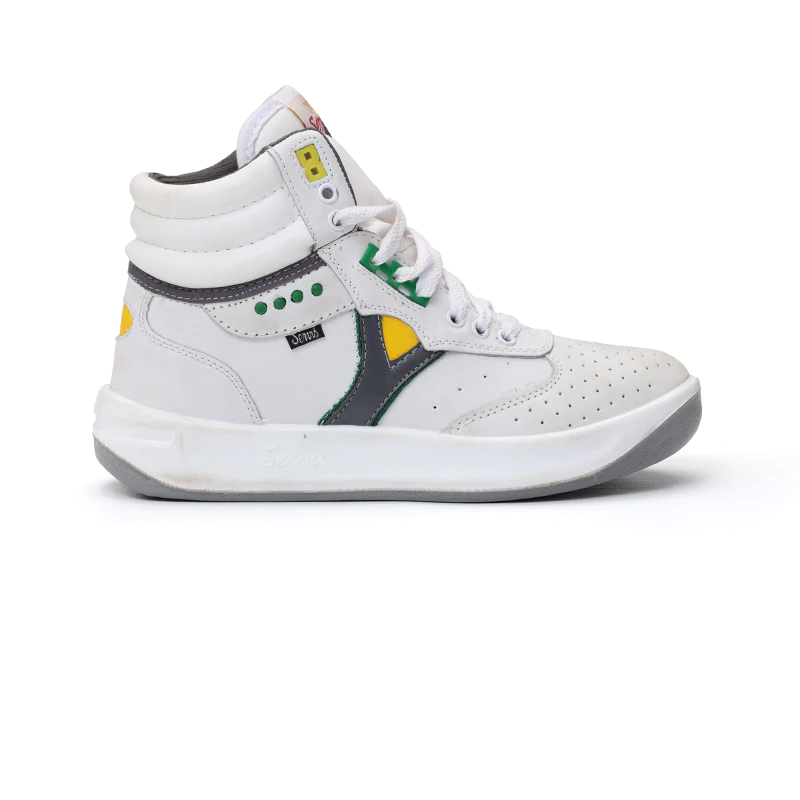
The sneakers feature a combination of synthetic leather and mesh, providing both breathability and durability. The rubber sole is designed for traction and longevity, making them suitable for various terrains. This blend of practicality and comfort has made Servis Cheetah sneakers a favorite among diverse consumer groups, from athletes to everyday workers.
Popularity in Pakistan and Globally
In Pakistan, Servis Cheetah Sneakers Taliban have become a staple for many due to their affordability and resilience. The shoes are marketed as durable and cost-effective, appealing to a wide demographic. Their popularity extends beyond Pakistan, reaching markets in neighboring countries like Afghanistan, where they are readily available in local markets.
The global recognition of Servis Shoes has been bolstered by the company’s consistent quality and adaptability to changing consumer needs. While not a high-end brand, Servis has carved out a niche by offering reliable and affordable footwear that caters to a broad audience.
The Taliban’s Rise to Power
Historical Background
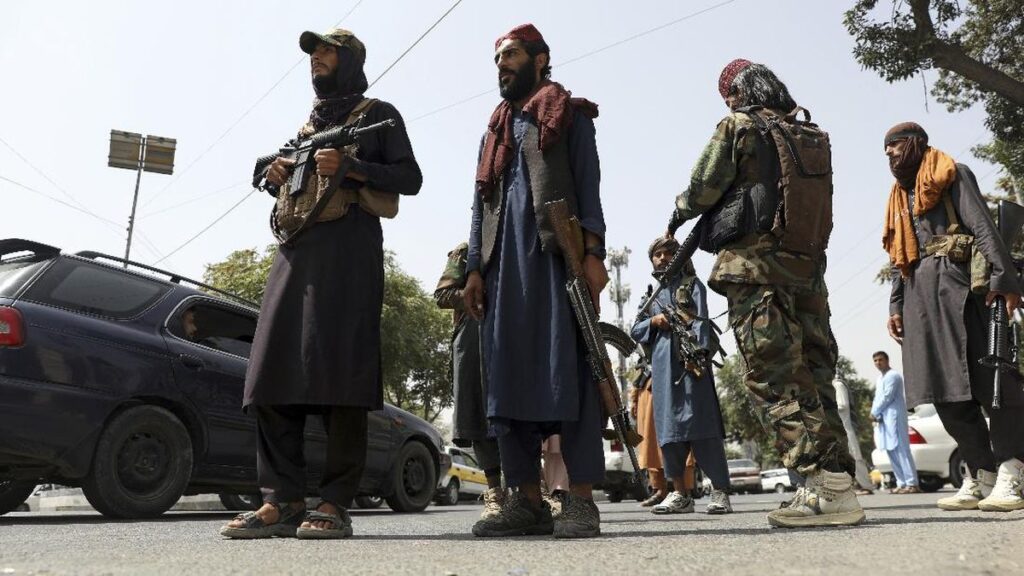
The Taliban, an Islamist militant group, emerged in the early 1990s amid the chaos following the Soviet-Afghan War. The group was formed primarily by students from Afghan and Pakistani madrassas (Islamic seminaries), who sought to establish a strict interpretation of Islamic law in Afghanistan.
The Taliban’s initial rise to power was marked by their capture of Kabul in 1996. They imposed a harsh version of Sharia law, characterized by severe restrictions on women’s rights, cultural repression, and public executions. Their rule lasted until 2001 when a U.S.-led coalition ousted them from power in response to the September 11 attacks.
Ideological Foundations
The Taliban’s ideology is rooted in Deobandi Islam, a conservative movement within Sunni Islam that originated in India in the 19th century. Their interpretation emphasizes strict adherence to Sharia law and the rejection of Western influences. This ideological foundation has shaped their governance and social policies, often resulting in severe restrictions on personal freedoms and cultural expression.
Despite their ouster in 2001, the Taliban remained a significant insurgent force, leveraging their ideological commitment and local grievances to regain control over substantial parts of Afghanistan. Their persistence culminated in their capture of Kabul in August 2021, marking a dramatic return to power.
Cultural Significance of Footwear in Afghan Society
Traditional Footwear in Afghanistan
Footwear in Afghan society has long held cultural and practical significance. Traditional shoes, such as the Peshawari chappal and Afghan sandals, are designed to withstand the rugged terrain and harsh climate. These shoes are often handmade, reflecting the artisanal skills and cultural heritage of Afghan communities.
Peshawari chappals, for example, are known for their durability and comfort. They are typically made from leather and feature a distinctive design that combines functionality with cultural aesthetics. Such traditional footwear remains popular, particularly in rural areas, where they are well-suited to the local environment.
The Practical Need for Durable Shoes
In the context of conflict, the need for durable and practical footwear becomes even more pronounced. Taliban fighters, who often traverse difficult terrains and engage in prolonged physical activity, require shoes that can endure harsh conditions. Servis Cheetah Sneakers Taliban, with their robust construction and comfortable fit, meet these practical needs.
The sneakers’ affordability also makes them accessible to Taliban fighters, who may have limited financial resources. In a conflict zone where supplies are scarce, the availability and durability of Servis Cheetah sneakers offer a practical solution for fighters on the move.
The Role of Shoes in Cultural Identity
Footwear in Afghanistan is not just a practical necessity; it also plays a role in cultural identity. Traditional shoes symbolize cultural heritage and local craftsmanship, while modern footwear like Servis Cheetah Sneakers Taliban can signify adaptability and resilience. For the Taliban, wearing these sneakers may also represent a blend of practicality and a rejection of Western consumerism, aligning with their broader ideological stance.
Servis Cheetah Sneakers and the Taliban
How the Sneakers Became Popular Among the Taliban
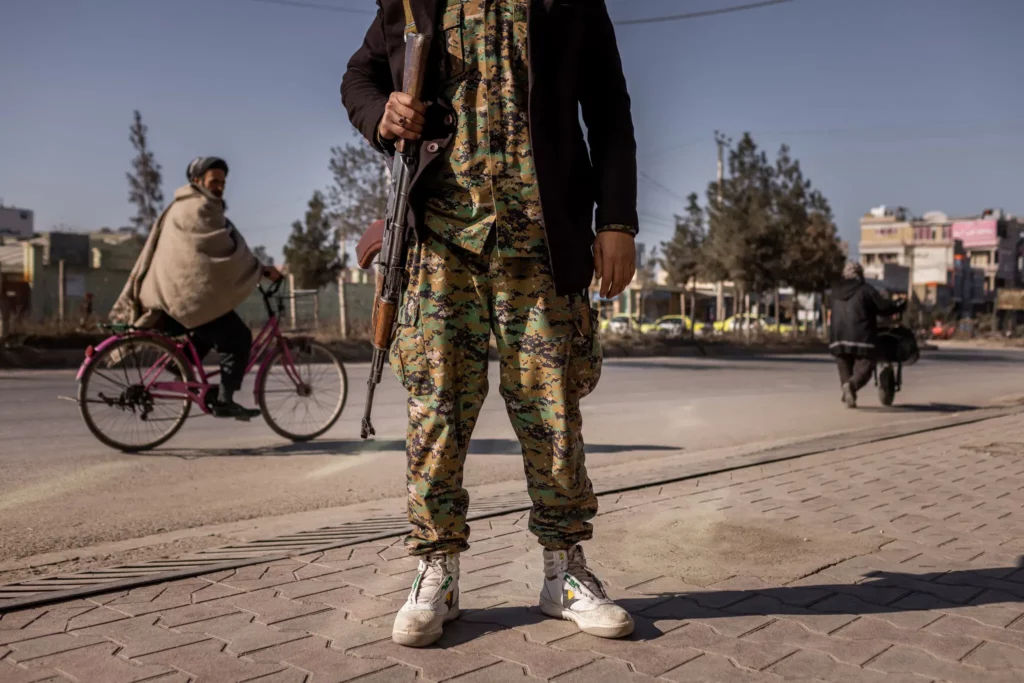
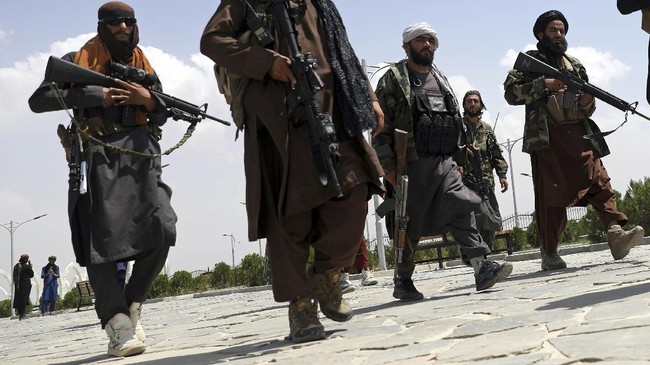
The association between Servis Cheetah Sneakers Taliban can be traced to the early 2000s. Reports and anecdotal evidence suggest that these sneakers became popular among Taliban fighters due to their affordability, availability, and practical advantages. The rugged Afghan terrain requires durable footwear, and Servis Cheetah sneakers provide the necessary resilience and comfort.
Taliban fighters often purchase these sneakers from local markets, where they are readily available. The widespread availability of Servis Cheetah Sneakers Taliban in Afghanistan and Pakistan makes them an accessible choice for the Taliban, who prioritize practicality and durability in their gear.
Symbolism and Practicality
The symbolism of Cheetah Sneakers Taliban within the Taliban cannot be overlooked. In conflict zones, where identity and practicality intersect, items like footwear become more than mere accessories. For the Taliban, these sneakers represent resilience and resourcefulness, aligning with their image as a determined and enduring force.
The practical advantages of these sneakers also contribute to their popularity. The durable construction, comfortable fit, and affordability make them an ideal choice for fighters who need reliable footwear in challenging conditions. This combination of symbolism and practicality explains the widespread use of Servis Cheetah sneakers among the Taliban.
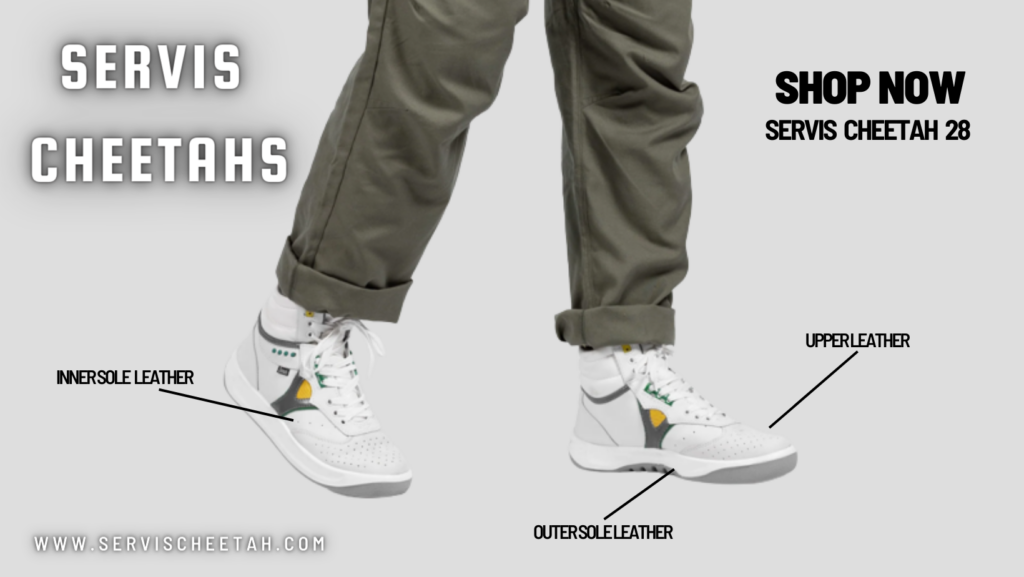
Anecdotal Evidence and Media Reports
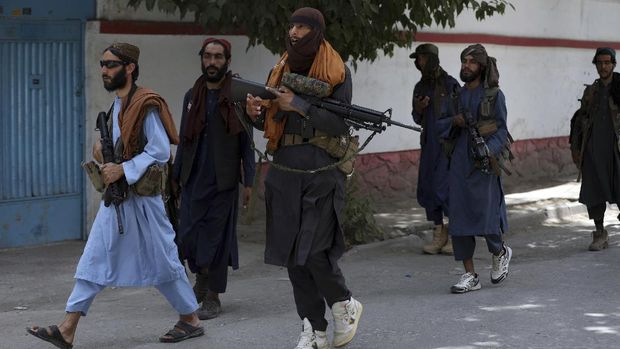
Numerous media reports and anecdotal accounts have highlighted the prevalence of Servis Cheetah sneakers among Taliban fighters. Photos and videos often show Taliban members wearing these sneakers, reinforcing their association with the militant group. These visual cues have contributed to the sneakers’ symbolic status and public recognition.
While concrete data on the exact number of Taliban fighters wearing Cheetah Sneakers Taliban is difficult to obtain, the consistent presence of these shoes in media coverage suggests a significant trend. This visibility has sparked discussions about the broader implications of this association for the brand and its perception.
Marketing and Perception
How the Brand is Marketed
Servis Shoes markets its products primarily based on their durability, affordability, and comfort. The company’s advertising campaigns often highlight the practical advantages of their footwear, appealing to a broad consumer base. The Cheetah Sneakers Taliban model is promoted as a versatile and reliable shoe suitable for various activities, from sports to everyday wear.
The brand’s marketing strategy focuses on the shoes’ functional benefits rather than targeting specific demographics. This approach has helped Servis Shoes build a diverse customer base across different regions and socioeconomic groups.
Public Perception and Controversies
The unintended association with the Taliban has posed challenges for Servis Shoes’ public image. While the company has not actively marketed its products to militant groups, the visibility of Servis Cheetah sneakers among the Taliban has led to scrutiny and criticism. Public perception of the brand has been influenced by this association, raising questions about corporate responsibility and ethical considerations.
Some critics argue that Servis Shoes should take steps to distance itself from the Taliban and address the ethical implications of its products being used by militant groups. Others contend that the company cannot control who buys its products and should not be held accountable for the actions of its customers.
Comparison with Other Popular Footwear in Conflict Zones
The phenomenon of specific footwear becoming popular in conflict zones is not unique to Cheetah Sneakers Taliban. In various conflict areas, practical and affordable shoes often gain prominence among combatants. For example, during the Vietnam War, the Viet Cong were known to wear rubber sandals made from discarded tires, known as “Ho Chi Minh sandals.”
Comparing Cheetah Sneakers Taliban with other popular footwear in conflict zones highlights the common thread of practicality and accessibility. In these challenging environments, the need for durable and reliable gear often dictates the choice of footwear, regardless of brand or origin.
Economic Impact
The Financial Aspects for Servis Shoes
The association with the Taliban has had both positive and negative economic implications for Servis Shoes. On one hand, the widespread use of their sneakers has boosted sales and brand recognition, particularly in regions where the Taliban operate. The demand for durable and affordable footwear has driven sales, contributing to the company’s financial growth.
The Impact on Local Economies
The production and sale of Cheetah Sneakers Taliban have significant economic implications for local economies in Pakistan and Afghanistan. The manufacturing process provides jobs and stimulates economic activity in the regions where Servis Shoes operates. Local markets selling these sneakers benefit from the demand, supporting small businesses and traders.
However, the ethical dilemmas posed by the popularity of these sneakers among militant groups complicate this economic narrative. The association with the Taliban raises questions about the broader impact of the footwear industry in conflict zones and the responsibilities of companies operating in these environments.
Global Market Influence
The global market influence of Servis
Shoes extends beyond Pakistan and Afghanistan. The company’s products are exported to various countries, contributing to its international presence. The association with the Taliban, while controversial, has inadvertently increased the global visibility of Cheetah Sneakers Taliban.
This visibility presents both opportunities and challenges for the brand. While increased recognition can drive sales and market expansion, the ethical controversies surrounding the association with the Taliban may impact the brand’s reputation and consumer perception in the global market.

Ethical Considerations
The Ethics of Brand Association with Militant Groups
The ethical implications of the association between Cheetah Sneakers Taliban are complex and multifaceted. While the company cannot control who buys their products, the visibility of their sneakers among militant groups raises questions about corporate responsibility and ethical considerations.
Critics argue that companies should actively distance themselves from controversial associations and address the potential ethical implications of their products being used by militant groups. This perspective emphasizes the need for greater corporate social responsibility and ethical marketing practices.
Corporate Social Responsibility
Corporate social responsibility (CSR) is an important consideration for companies operating in conflict zones. CSR initiatives can include measures to ensure that products are not used to support militant activities and efforts to promote ethical practices in the supply chain. For Servis Shoes, implementing CSR initiatives could help address the ethical concerns raised by the association with the Taliban.
Potential CSR actions could include partnerships with local communities to promote peace and development, support for education and job training programs, and efforts to ensure that their products are not used in ways that contribute to conflict and violence.
Public and Corporate Responses
Public and corporate responses to the association between Servis Cheetah sneakers and the Taliban vary. Some advocate for boycotts and greater scrutiny of the brand, while others emphasize the importance of not holding the company responsible for the actions of its customers. These responses reflect broader debates about corporate responsibility and the role of businesses in conflict zones.
For Servis Shoes, navigating these responses requires a careful balance between addressing ethical concerns and maintaining their market position. Engaging with stakeholders, including consumers, activists, and local communities, can help the company develop a more nuanced and effective approach to these challenges.
Conclusion
The popularity of Cheetah Sneakers Taliban among the Taliban offers a unique lens through which to examine the intersection of fashion, culture, and conflict. From their historical development to their cultural significance and economic impact, these sneakers embody a complex narrative that goes beyond simple consumer choice.
The association with the Taliban highlights the unpredictable nature of product placement and its potential ramifications in global conflict scenarios. For Cheetah Sneakers Taliban, this association presents both opportunities and challenges, raising important questions about corporate responsibility and ethical considerations.
As we move forward, it will be interesting to see how Servis Shoes and other brands navigate the ethical and practical challenges posed by such associations. The broader implications for fashion, conflict, and consumer behavior underscore the need for thoughtful and responsible approaches to business in an interconnected and often volatile world.